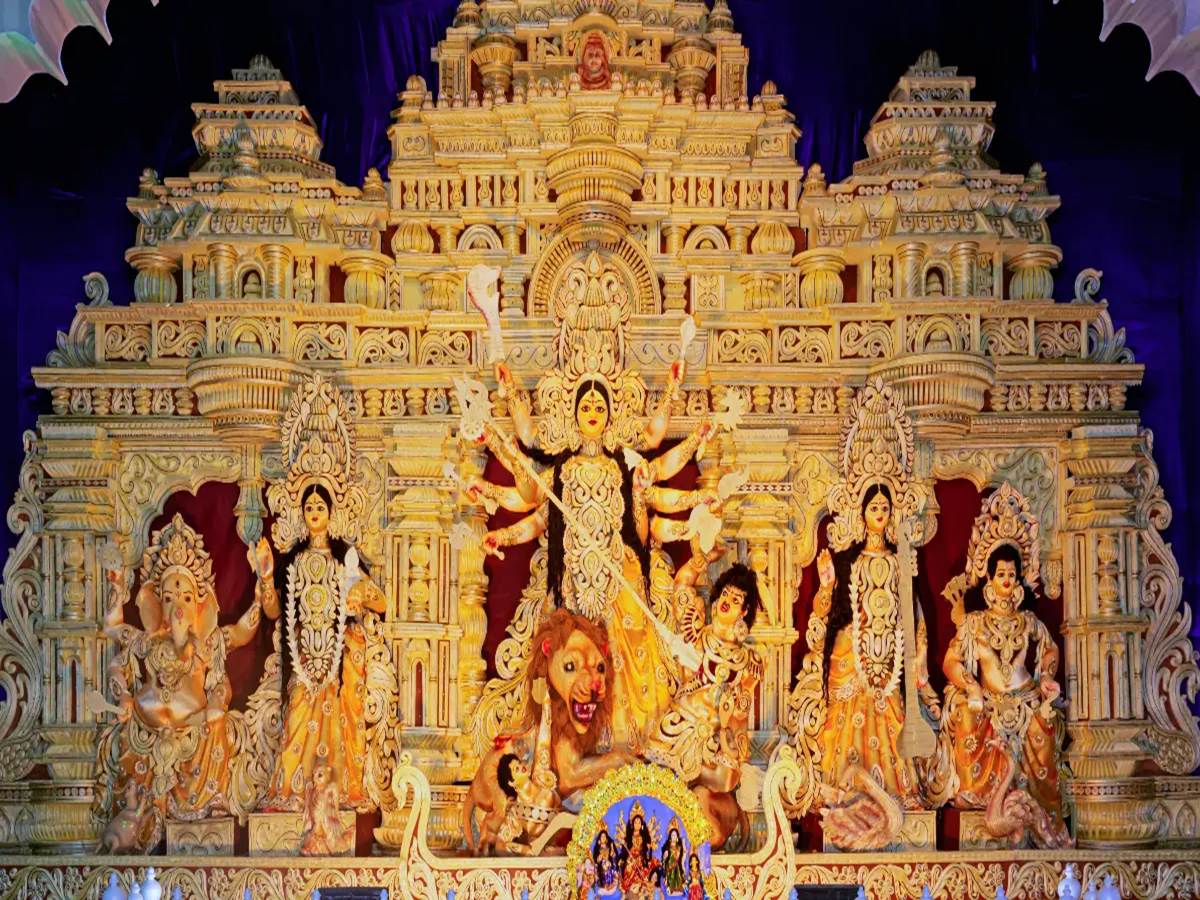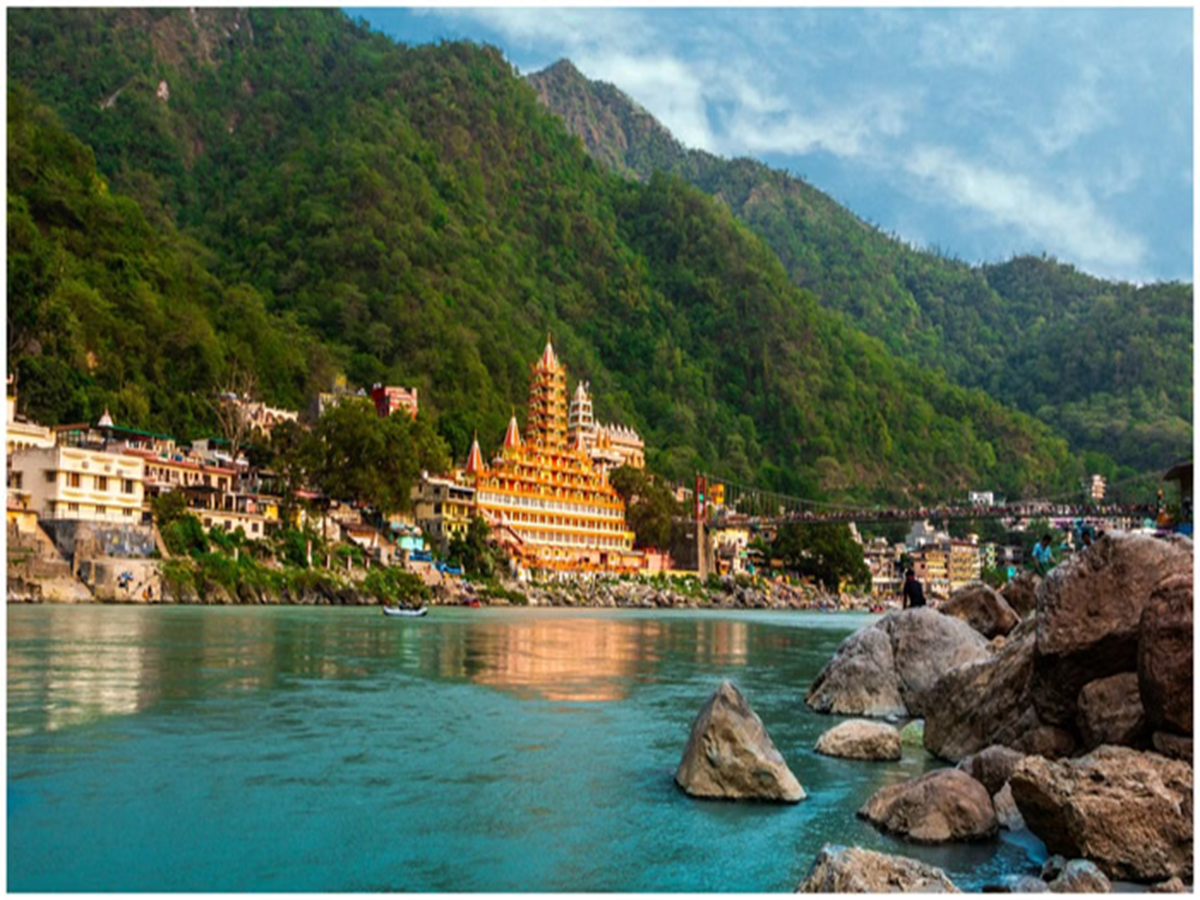
The festival of Dussehra is celebrated on the evening marking the conclusion of Navratri. The final fast of Navratri is observed on Mahanavami, and the fast is broken (concluded) on Dashami; the Dussehra celebrations take place that same evening. According to the Hindu calendar (Panchang), Dussehra falls annually on the *Dashami Tithi* (tenth day) of the *Shukla Paksha* (waxing phase of the moon) in the month of Ashwin.
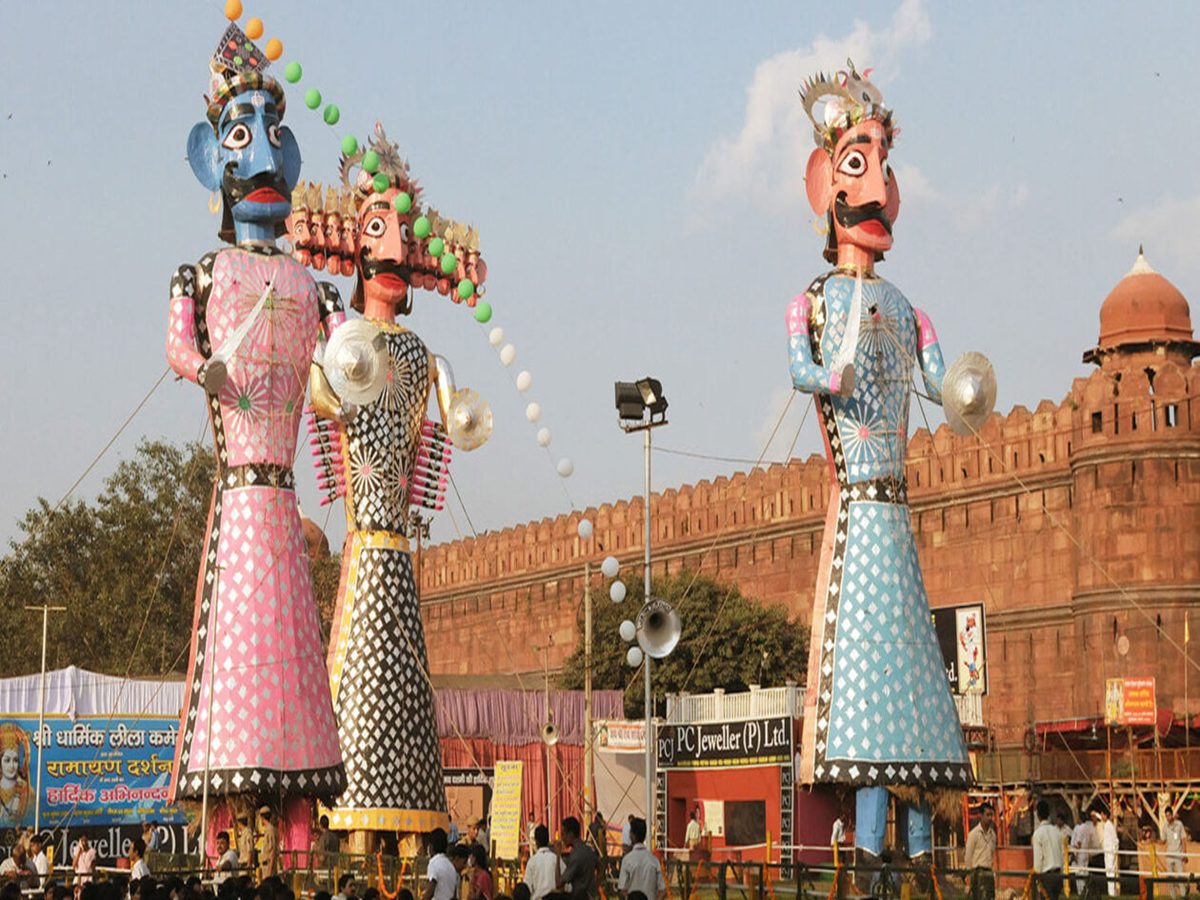
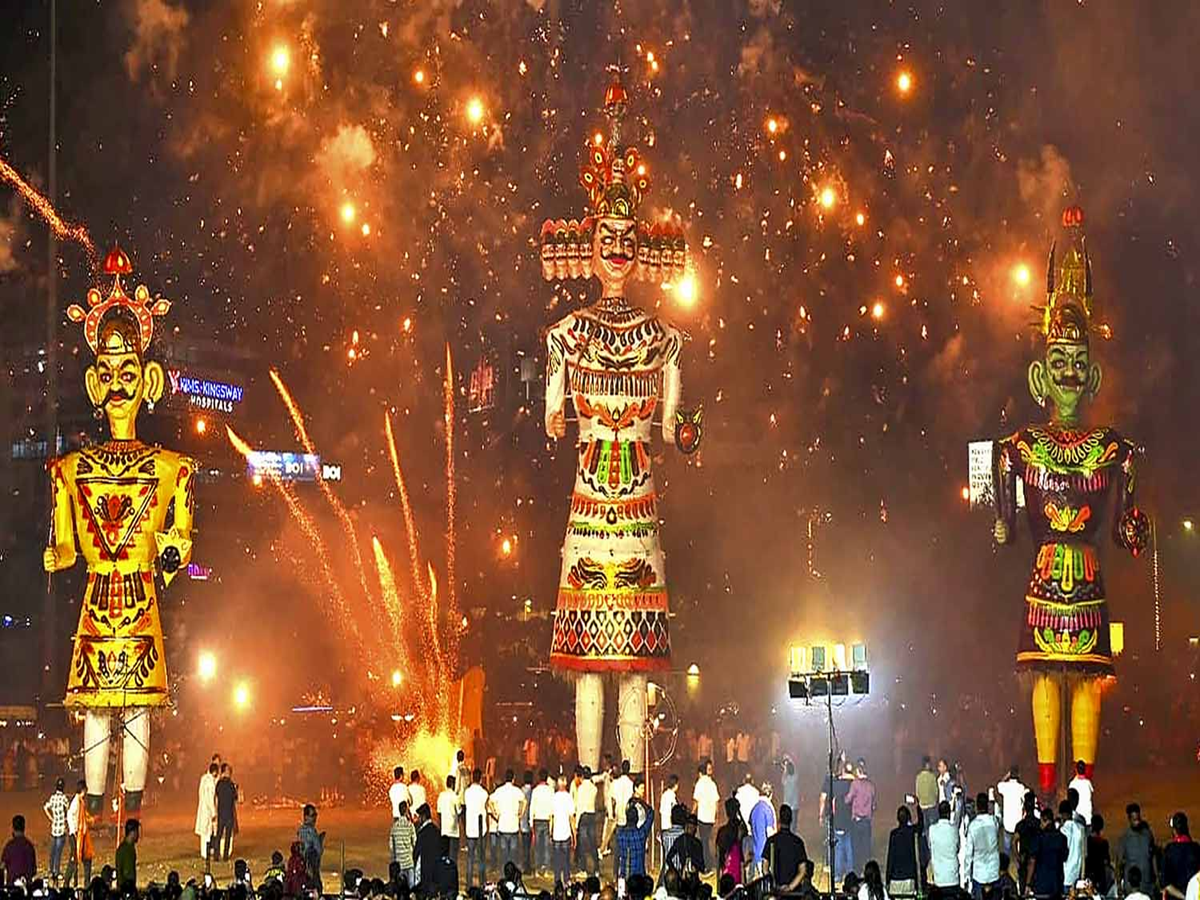
On this day, *Shastra Puja* (worship of weapons) is performed during the *Vijay Muhurat* (an auspicious time for victory). In the evening, effigies of Ravana, Kumbhakarna, and Meghnada are burnt. This also marks the conclusion of *Ramlila* performances in North India. When is Dussehra this year—October 20 or October 21? Since the *Dashami Tithi* prevails on both days, there is some confusion regarding the date of Dussehra.
Dussehra: October 20 or 21?
According to the Vedic calendar, the *Ashwin Shukla Dashami Tithi* for Dussehra this year begins at 12:50 PM on October 20 and ends at 2:11 PM on October 21.
If one considers the *Udaya Tithi* (the lunar day prevailing at sunrise), the *Dashami Tithi* falls on Wednesday, October 21. Based on this alone, Dussehra should be celebrated on October 21. However, that is not the case. For Dussehra, one must consider not only the *Dashami Tithi* but also the *Nakshatra* (constellation), *Vijay Muhurat*, and *Pradosh Kaal* (evening twilight period).
According to the scriptures, Dussehra (or Vijayadashami) is celebrated when the *Shravana Nakshatra* coincides with the *Dashami Tithi*. In this instance, the *Shravana Nakshatra* does not coincide with the *Dashami Tithi* on October 21, nor does the *Pradosh Kaal*; furthermore, the *Vijay Muhurat* lasts for only 12 minutes.
In contrast, on October 20, the *Dashami Tithi* begins in the afternoon, and all three—*Shravana Nakshatra*, *Pradosh Kaal*, and *Vijay Muhurat*—are present. Therefore, Dussehra will be celebrated on Tuesday, October 20, this year. Dussehra 2026 Auspicious Timings (Muhurat)
On Dussehra (October 20), the *Shravana Nakshatra* prevails from the morning until 6:02 PM. The *Pradosh Kaal* begins at sunset (5:47 PM), marking the start of the time for *Ravan Dahan* (the burning of the effigy of Ravana). The *Vijay Muhurat* begins at 1:59 PM and lasts for 45 minutes.
On the day of Dussehra, the *Brahma Muhurat* is from 4:44 AM to 5:34 AM, while the auspicious time of the day—the *Abhijit Muhurat*—lasts from 11:43 AM to 12:28 PM. The *Nishita Muhurat* is from 11:41 PM to 12:31 AM (late night).
*Vijay Muhurat* for *Shastra Puja* (Worship of Weapons): 1:59 PM to 2:45 PM
*Muhurat* for *Ravan Dahan* on Dussehra: From 6:02 PM during *Pradosh Kaal*
Dussehra to be Celebrated During *Ravi Yoga*
This year, the festival of Dussehra will be celebrated during *Ravi Yoga*. *Ravi Yoga* will be active throughout the day. This is considered an auspicious *Yoga* because it is strongly influenced by the Sun—the king of planets—which helps eliminate all kinds of afflictions or negative influences.
Significance of Dussehra
Lord Rama, accompanied by the *Vanar Sena* (monkey army), reached Lanka in search of Mother Sita. Ravana, the king of Lanka, had abducted Sita. Consequently, Lord Rama launched an invasion of Lanka for her sake. A fierce battle ensued between Rama and Ravana, resulting in the destruction of the entire demon army. Ravana's son, Meghnad, and his brother, Kumbhakarna, were also killed. Finally, Ravana himself came to fight Lord Rama; a fierce battle took place between them, in which Ravana was slain. Thus, righteousness (*Dharma*) triumphed over unrighteousness (*Adharma*). Dussehra is celebrated every year to mark this occasion, during which the effigies of Ravana, Kumbhakarna, and Meghnada are burnt in the evening.
PC Social Media