
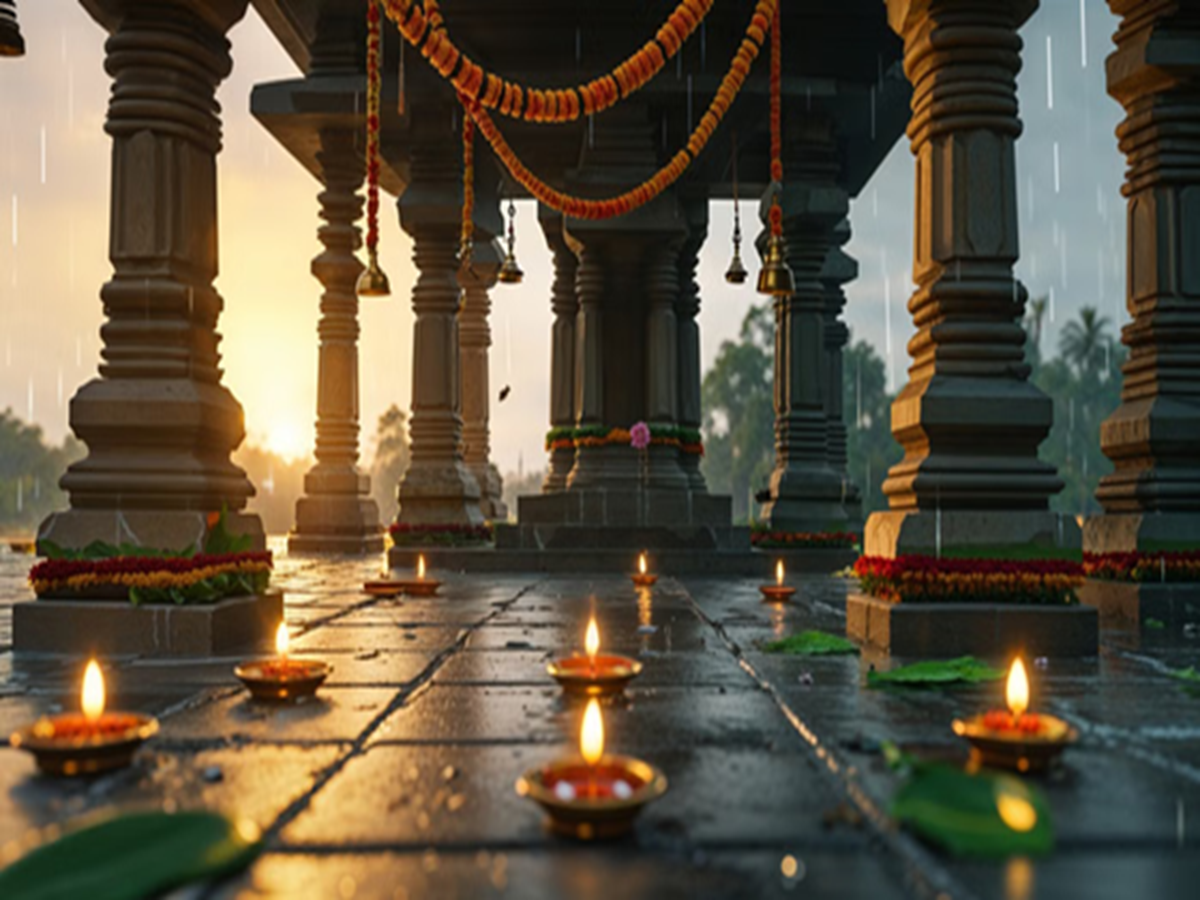
The Right Time to Visit a Temple: People visit temples in search of mental peace, positive energy, and spiritual growth. Upon arrival, devotees worship their chosen deity, seek a divine glimpse (*darshan*), and offer *prasad*, flowers, garlands, or materials for the sacred fire ritual (*havan*). They also make vows or prayers seeking the fulfillment of their wishes. While every individual may have a specific personal deity (*Ishta Dev*), devotees often visit temples dedicated to various gods—be it Lord Shiva, Lord Vishnu, Goddess Durga, or Lord Hanuman. This raises the question: what is the ideal time to visit a temple—morning, afternoon, or evening?
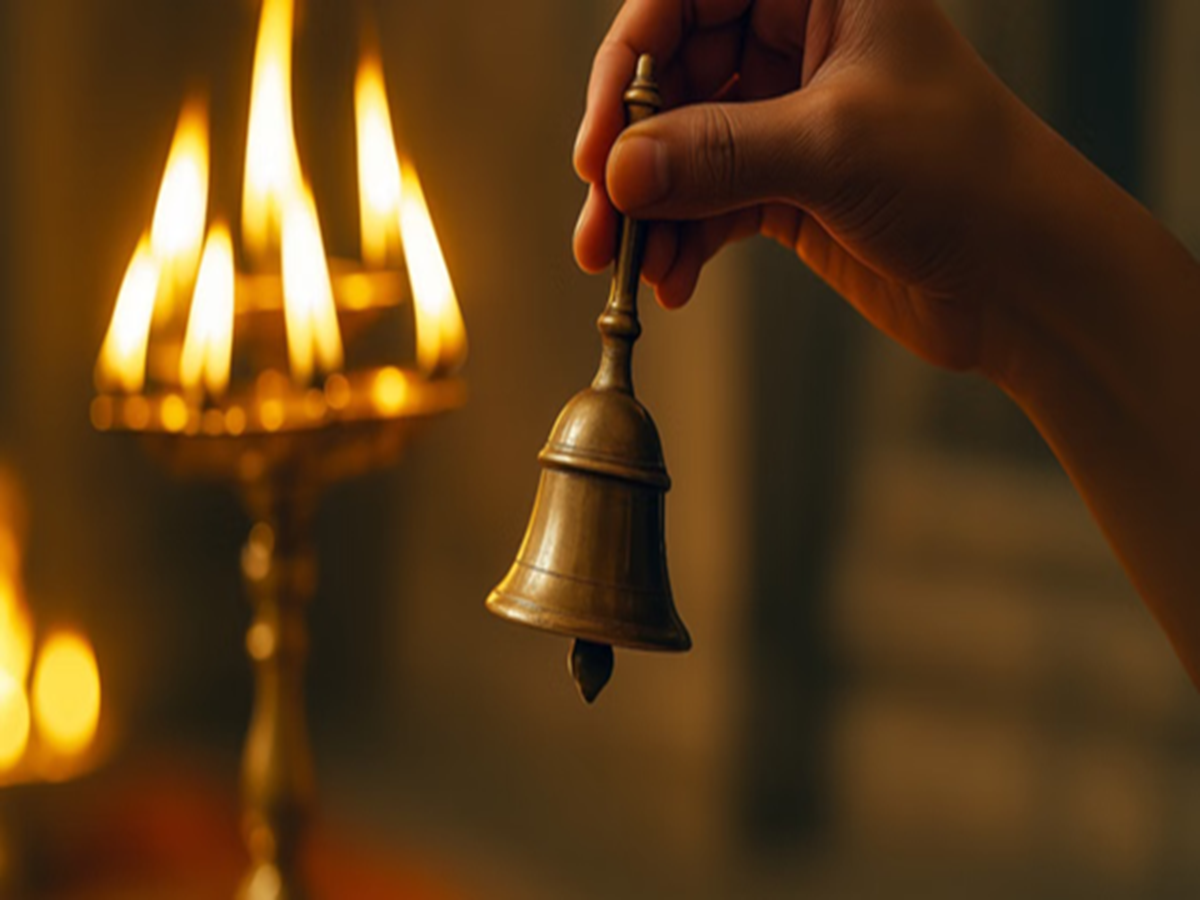
The Most Auspicious Time to Visit a Temple
According to religious beliefs, the most auspicious time to visit a temple is during *Brahma Muhurat* or at sunrise. *Brahma Muhurat* begins around 4:00 AM, a time when the atmosphere is exceptionally serene and pure. During this period, the mind remains focused, and levels of positive energy are high. It is during this time that rituals such as *Abhishek* (ceremonial bathing of the deity), worship, and *Mangala Aarti* (the first ritual of the day) take place, drawing devotees early in the morning. If visiting during *Brahma Muhurat* is not possible for some reason, visiting at sunrise or shortly thereafter is also considered auspicious.
Visiting the temple in the afternoon is generally not considered appropriate. This is the time when the deity undergoes *Shringar* (adornment) and *Bhog* (offering of food), followed by a period of rest. In many temples, the sanctum doors are closed during this time, making *darshan* impossible.
If one cannot visit the temple in the morning, going during *Pradosh Kaal*—the period following sunset—is a good alternative. The evening *Aarti* takes place then, and this time is also considered auspicious for worship. However, one should avoid visiting late at night, as that is the time for the deity's rest (*Shayan*), and the temple doors are closed after the final *Aarti*.
Visiting temples during an eclipse—whether solar or lunar—is considered prohibited, as the temples remain closed during these times. *Darshan* is permitted only after the eclipse has ended and purification rituals have been performed.
It is also important to keep a few things in mind before visiting a temple. Approach the temple in a state of ritual purity after bathing; wear simple, modest clothing; do not carry leather items; and abstain from meat and alcohol. Additionally, avoid visiting the temple immediately after a meal. Observing these guidelines is believed to make the fruits of the worship even more auspicious.
PC Social Media