LIFESTYLE
Where does the soul reside after death? And if desires remain unfulfilled, does one truly become a ghost?
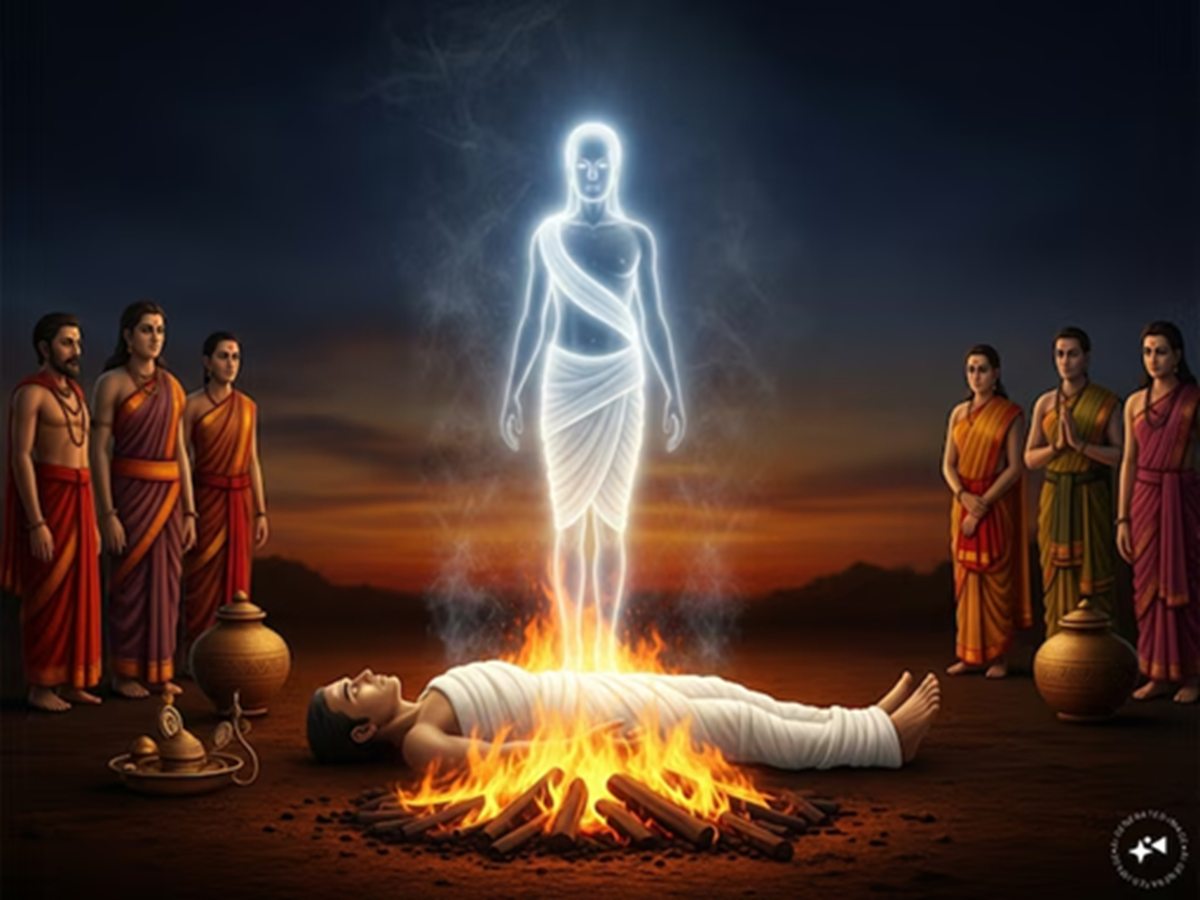
The Soul's Journey After Death: Death—it is a word that, the moment it is heard, sparks countless questions in the mind. Does everything truly end right here, or is there a world that exists beyond this one? When a loved one leaves us behind, the heart repeatedly asks: "Where are they now? What are they doing? Can they see us?" The answers to these questions are not confined merely to matters of faith or imagination; rather, they are also found woven into beliefs and narratives that have endured for centuries.
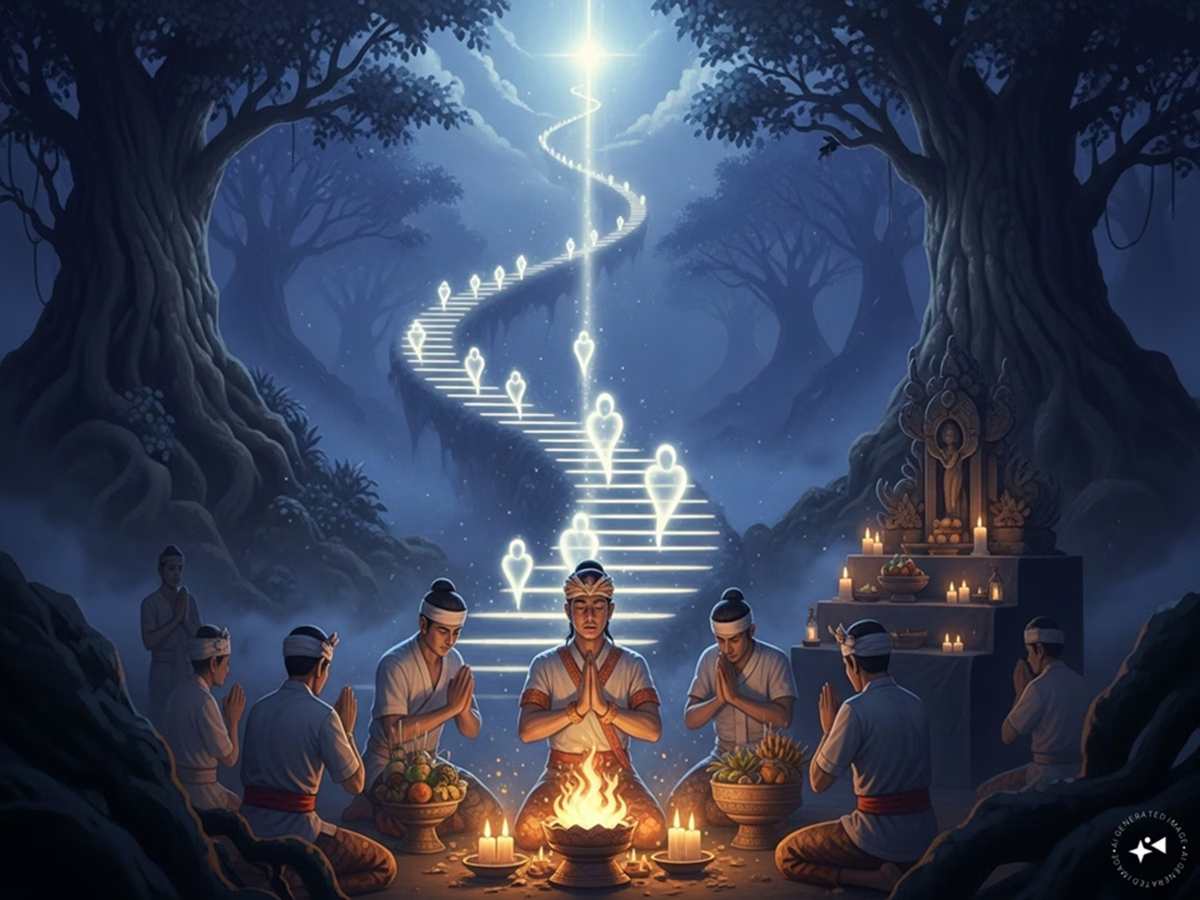
According to many traditions and religious beliefs, death is not an end, but rather the beginning of a new journey. This journey is not a linear path; instead, it involves several distinct stages or realms: the *Pretlok* (Realm of Spirits), the *Pitrilok* (Realm of Ancestors), *Swarga* (Heaven), and *Narak* (Hell). The specific route taken throughout this entire journey is determined by our *karma* (actions) and our unfulfilled desires.
What Happens Immediately After Death?
Immediately following death, the state of the soul is described as being quite peculiar. Contrary to popular belief, the soul is not instantly transported to another realm. It is said that, for a few days, it continues to wander within its own home and the surrounding areas. During this period, the soul can see its loved ones and hear their conversations, yet it remains unable to communicate with them. It is, in a sense, a helpless predicament—a state in which the soul finds itself unable to express itself.
The Role of Funeral Rites
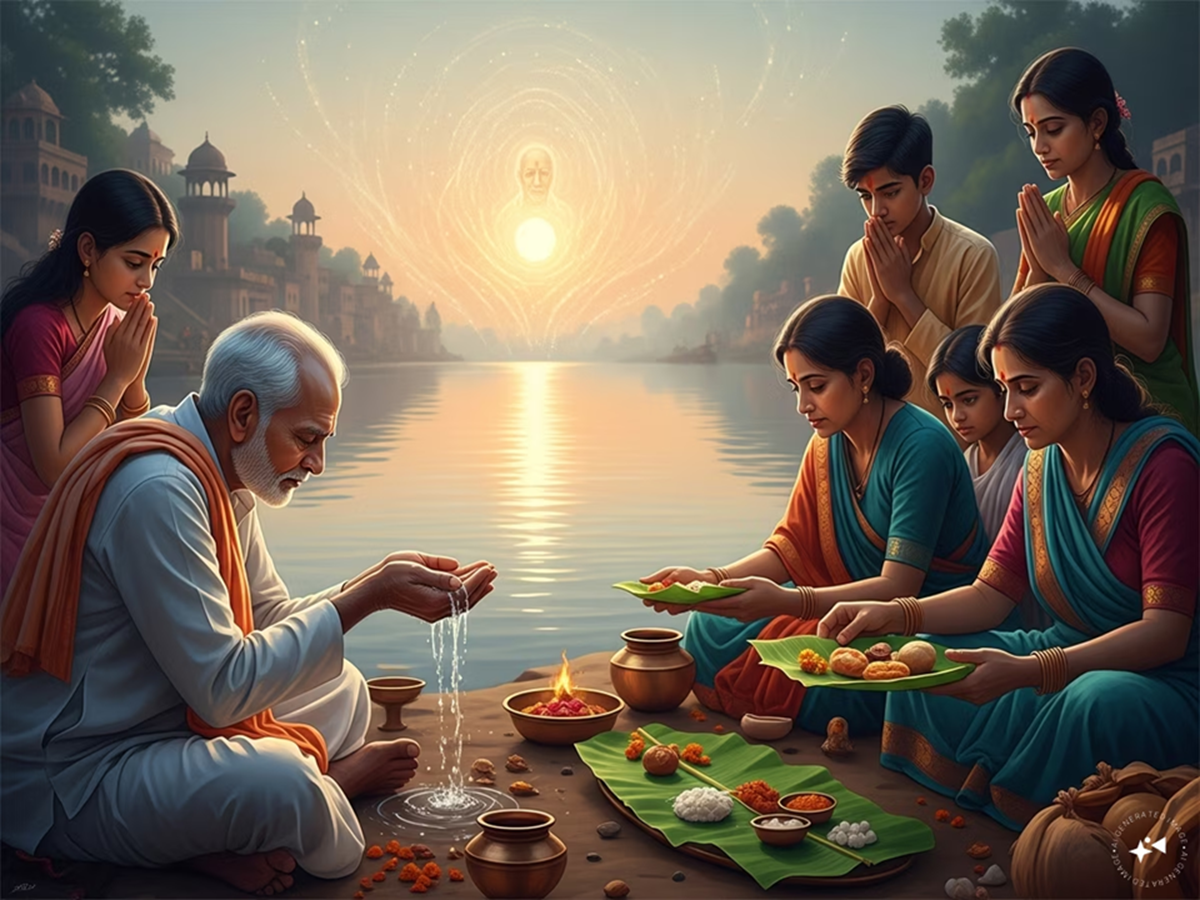
The funeral rites and post-mortem rituals performed by the family hold immense significance at this juncture. It is only after the completion of these rituals that the soul commences the next phase of its journey. In a way, these rites serve to pave the path for the soul to advance toward the next realm.
Karma Determines the Next Destination
The soul's subsequent destination depends entirely upon the actions (*karma*) performed during its lifetime:
- Those whose actions were virtuous proceed toward *Swarga* (Heaven).
- Those who committed evil deeds descend into *Narak* (Hell).
- And those whose actions were a mixture of both good and bad reside in *Pitrilok* (the Realm of Ancestors).
Pitrilok: The Realm of Peace
*Pitrilok* is described as a place of tranquility and balance—a realm where our ancestors reside.
What is Life Like There? Here, there is neither day nor night; yet, a divine light remains ever-present. Souls recognize one another and communicate without the use of words.
This realm also serves as a center for introspection, where souls analyze the karmas—the actions—of their past lives and experience their consequences.
**The Significance of Shraddh and Tarpan**
Interestingly, souls in this realm experience a distinct kind of "hunger." When their living relatives on Earth perform rituals such as *Shraddh*, *Tarpan*, or *Puja*, these acts provide the souls with vital energy. If these rituals are not performed, the souls may remain unfulfilled—a state believed to have repercussions for the living family members as well.
**Bhutlok: The Realm of Unfulfilled Desires**
Not every soul attains peace. Those who meet an untimely end, or whose desires remain unfulfilled, continue to wander within *Bhutlok* (the Realm of Ghosts).
**Why Do These Souls Wander?**
Such souls remain so deeply attached to their families, their dreams, and their earthly lives that they are unable to let go of the physical world. They are often plagued by restlessness, confusion, and—at times—anger. It is for this very reason that they fail to find peace and continue to wander in the darkness.
**The Path to Liberation**
To bring peace to such souls, specific rituals, prayers, and acts of penance (*Tapasya*) are required. Once this process is completed, they are gradually able to move forward toward the next realm of existence.
**Desires Become the Shackles**
Ultimately, the entire journey of the soul after death teaches us a profound lesson: it is our actions (*karma*) and our desires that determine our path. The more entangled we become in our desires, the more difficult it becomes to attain liberation from this material world. Perhaps this is precisely why saints and sages emphasize the importance of cultivating balance and contentment while still living in this life.
PC Social Media