LIFESTYLE
Why are chest hairs turning gray at a young age nowadays? What causes this? Learn from a doctor how to prevent it..
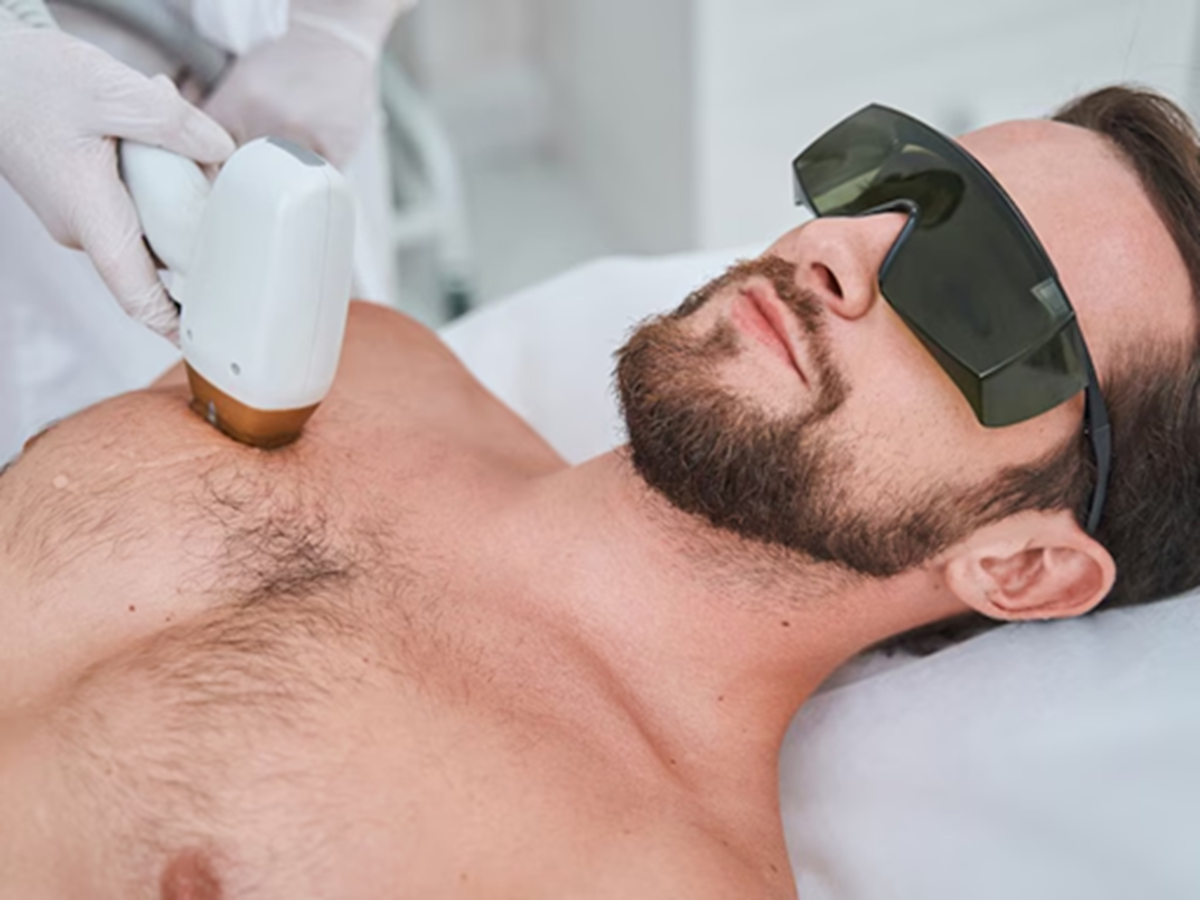
Premature Greying of Body Hair: Nowadays, young people's hair is turning grey at an alarming rate. It is not just the hair on the head and beard; even chest hair has started turning grey at a young age. In medical terminology, this condition is known as "premature greying." Typically, this greying process would begin in people after the age of 50 or 60; however, young people now appear to be increasingly troubled by this issue. Many people believe that greying chest hair is a medical ailment, while others attribute it to premature greying in general. The question now arises: why is chest hair turning grey at such a young age? What are the underlying causes, and how can one prevent them? Let's find the answers from a medical expert.

Dr. Yugal Rajput, a dermatologist and Assistant Professor at GSVM Medical College in Kanpur, Uttar Pradesh, told News18 that the black color of our hair is due to a pigment called melanin. When the body begins to experience a deficiency of this pigment, the hair starts to turn grey. This pigment affects every part of the body; consequently, not only the hair on the head and beard but also chest hair begins to lose its color. A decline in this pigment level can be triggered by various factors, including vitamin deficiencies, excessive stress, poor dietary habits, and genetic and hormonal factors. A comprehensive health checkup can help identify the precise underlying cause.
Major Causes of Greying Chest Hair:
Nutrient Deficiency: The doctor explained that a lack of essential nutrients in modern diets is a significant contributor to premature greying. A deficiency in Vitamin B12, for instance, can lead to anemia—a condition directly linked to the greying of hair. Furthermore, deficiencies of iron and copper in the body can disrupt the production of melanin, thereby stripping the hair of its natural color.
Poor Lifestyle and Smoking: Smoking cigarettes or *bidis* causes our blood vessels to constrict, preventing adequate amounts of oxygen and nutrients from reaching the hair follicles. This deprivation of vital supplies ultimately leads to the greying of hair. Smokers face a higher risk of premature hair graying compared to non-smokers.
**Chronic Stress:** If you have been struggling with stress for a prolonged period, it can lead to premature graying of your hair. Stress affects not only the mind but also the body's cells. It increases oxidative stress within the body, which damages melanocytes—the cells responsible for producing melanin.
**Hormonal Imbalance:** A disruption in the body's hormonal balance can also trigger the problem of graying hair. Thyroid disorders or fluctuations in testosterone levels can contribute to the graying of chest hair. If you suffer from a hormonal issue, it can significantly impact your hair color.
**Genetics:** If your father or grandfather experienced premature hair graying at a young age, the likelihood of you experiencing the same increases. This predisposition is encoded in your DNA, making it somewhat difficult to prevent entirely. However, adopting a proper diet and lifestyle can certainly help in slowing down this process.
**How to Prevent Gray Hair?**
According to Dr. Yugar Rajput, while it is difficult to naturally restore the original color of hair that has already turned gray, the process itself can certainly be slowed down. Incorporate eggs, mushrooms, green leafy vegetables, nuts, and dairy products into your diet to ensure an adequate intake of Vitamin B12 and zinc. You should also quit smoking; this is crucial not only for your lung health but also for your physical appearance. Make yoga and meditation a part of your daily routine to help reduce stress levels.
Getting 7–8 hours of sleep each night is also essential. Avoid using harsh soaps or body washes on your chest hair, as the sulfates present in these products can cause damage to the hair strands. If you notice your hair graying very rapidly—especially if accompanied by feelings of weakness or fatigue—be sure to consult a dermatologist. They can identify the exact cause through a blood test and provide treatment.
PC Social Media