LIFESTYLE
Why are people placing Jamun wood in their water tanks? Discover the benefits of this traditional hack...
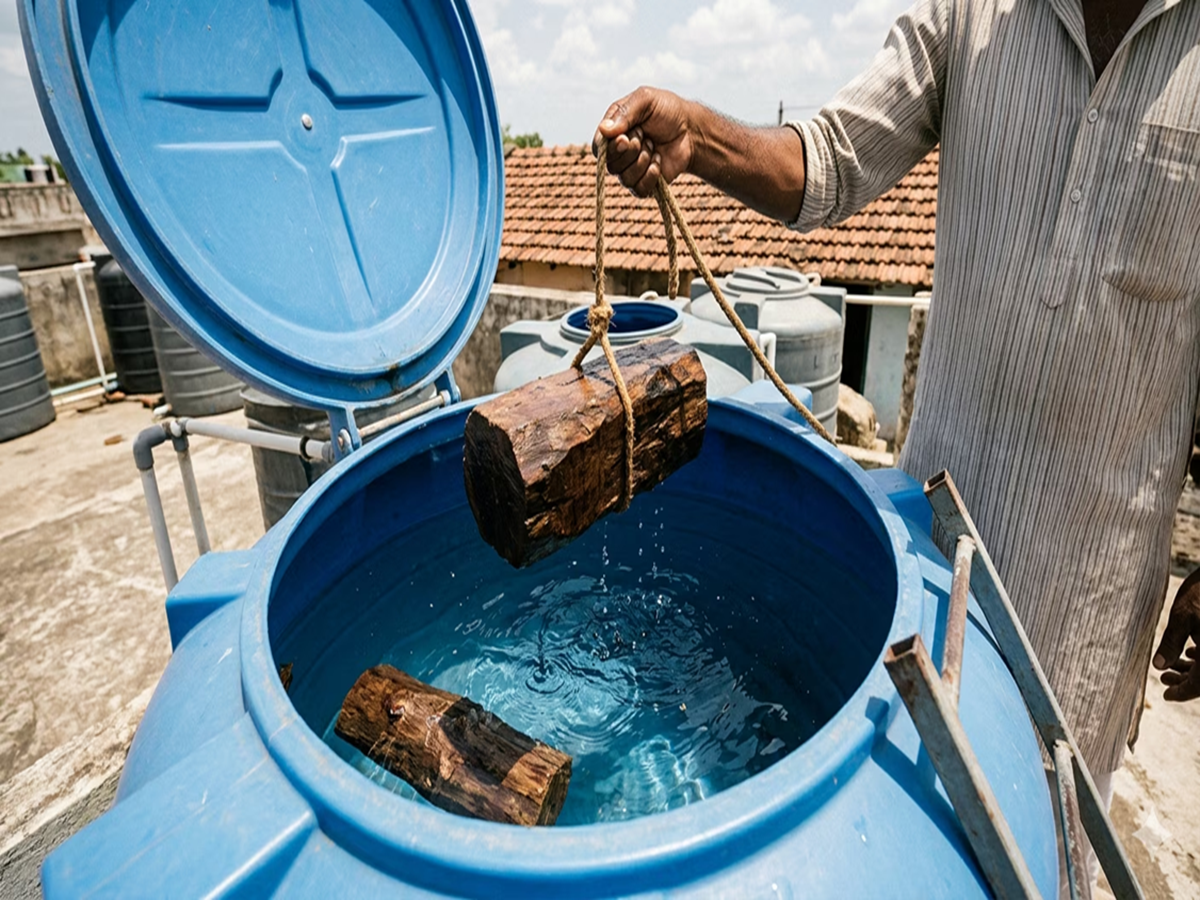
Benefits of Jamun Wood for Water: As scorching summer heat sets in, the water stored in plastic tanks placed on rooftops begins to boil. Not only does the water become scalding hot, but issues such as algae accumulation and the emission of strange odors also become common occurrences. Nowadays, a 'desi jugaad' (ingenious local hack)—involving placing Jamun wood inside water tanks—is going viral on social media. Have you ever wondered why elders used to advise placing Jamun wood in wells and ponds? This is not merely a superstition, but rather a remarkable example of Ayurveda and ancient water management practices. Let us explore the benefits of this indigenous technique and the correct way to implement it.
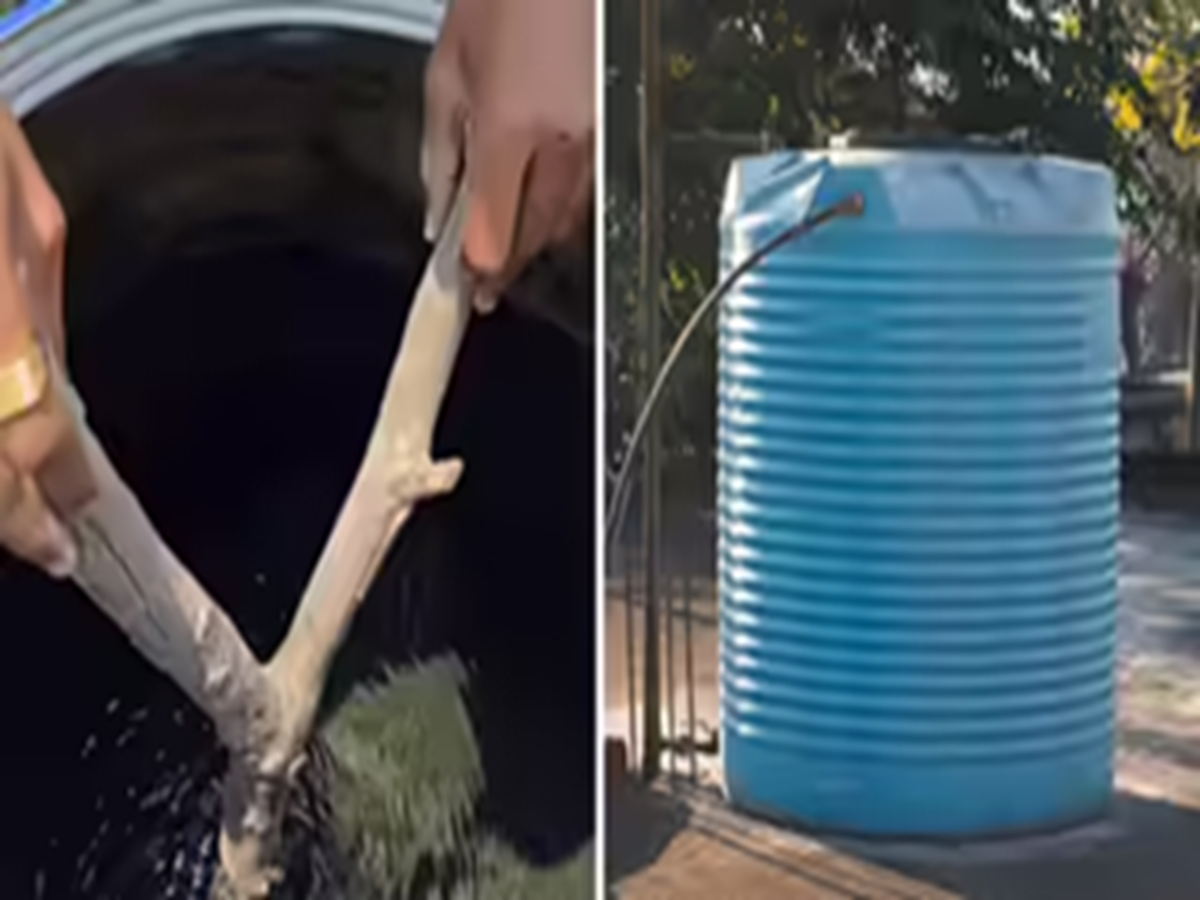
This is not merely a superstition, but rather a remarkable example of Ayurveda and ancient water management practices.
Why Jamun Wood, Specifically?
Jamun wood is considered to be water-resistant. While other types of wood tend to rot and disintegrate quickly when submerged, Jamun wood endures within water for years on end. This is precisely why, in ancient times, a circular frame made of Jamun wood—known as a 'Nem'—was constructed at the bottom of wells. This wood not only prevents the water from spoiling but also naturally purifies it.
Key Benefits of This 'Desi Jugaad'
1. Natural Anti-bacterial Properties: Jamun wood naturally contains elements that inhibit the proliferation of microorganisms and bacteria in water. It acts as a natural purifier, ensuring that the water remains pure for extended periods.
2. Protection Against Algae: Exposure to sunlight causes green algae to accumulate in plastic water tanks, which can subsequently clog the pipes. Jamun wood helps maintain a balanced pH level in the water, thereby significantly slowing down the process of algae formation on the inner walls of the tank.
3. Keeping Water Naturally Cool: During the summer season, water tanks situated on rooftops tend to heat up to scorching temperatures. Jamun wood possesses the inherent quality of keeping water naturally cool. It helps lower the water temperature by a few degrees, providing relief from scalding-hot water while bathing or washing your hands and face.
4. Reducing Odor and Heaviness: Tank water often develops a sense of "heaviness" or emits a chlorine-like odor. Jamun wood aids in the sedimentation of impurities present in the water, ensuring that the water at the surface remains clean and odorless.
Proper Method of Use:
- First, procure a thick, dry branch or a log of Jamun wood.
- Thoroughly scrub and clean the wood to remove any accumulated dirt or grime. (Note: Ensure that the wood is free of any paint or polish.
- Now, simply place this piece of wood directly into your water tank. If you prefer the wood to remain suspended within the water, you can tie it to the tank lid with a rope and let it hang.
- Replacing the old wood with a fresh piece once a year is sufficient.
In today's world—where we rely heavily on expensive water filters and chemical treatments—this humble piece of Jamun wood brings us closer to nature. It is not only economical but also eco-friendly. So, this summer, you too can harness the benefits of this ancient Indian practice by placing a piece of Jamun wood in your rooftop water tank.
PC Social Media