LIFESTYLE
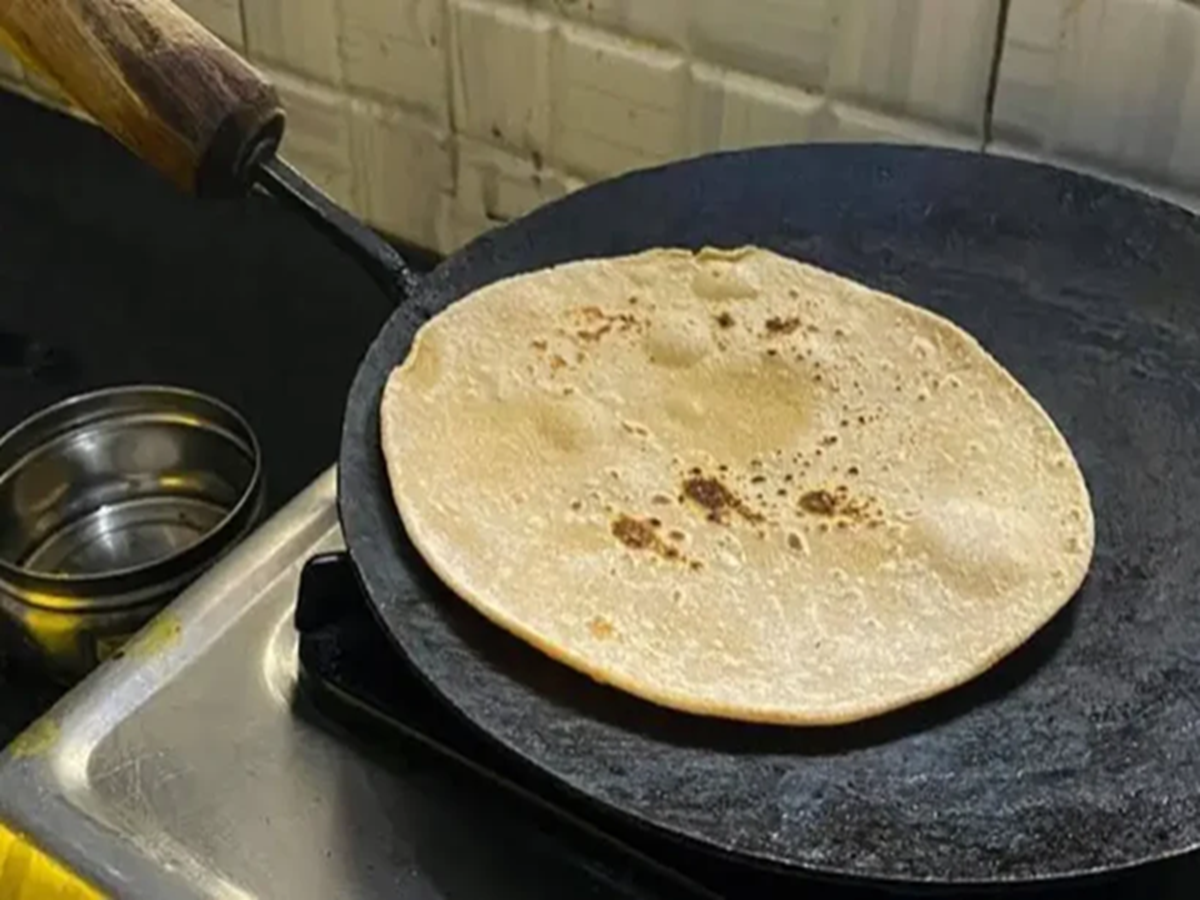
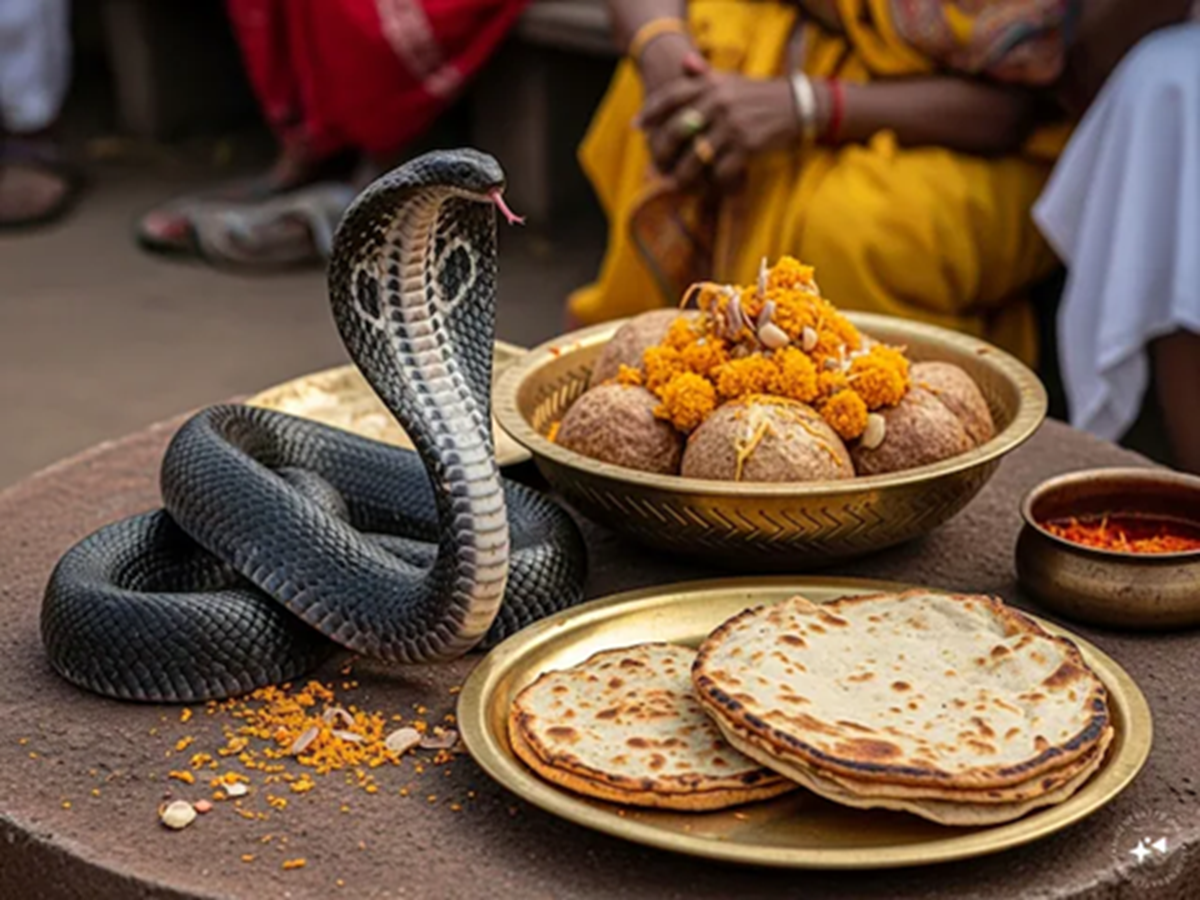
Why are rotis not made on the day of Nag Panchami? Why is the *tawa* (griddle) not placed on the stove? Find out the truth..
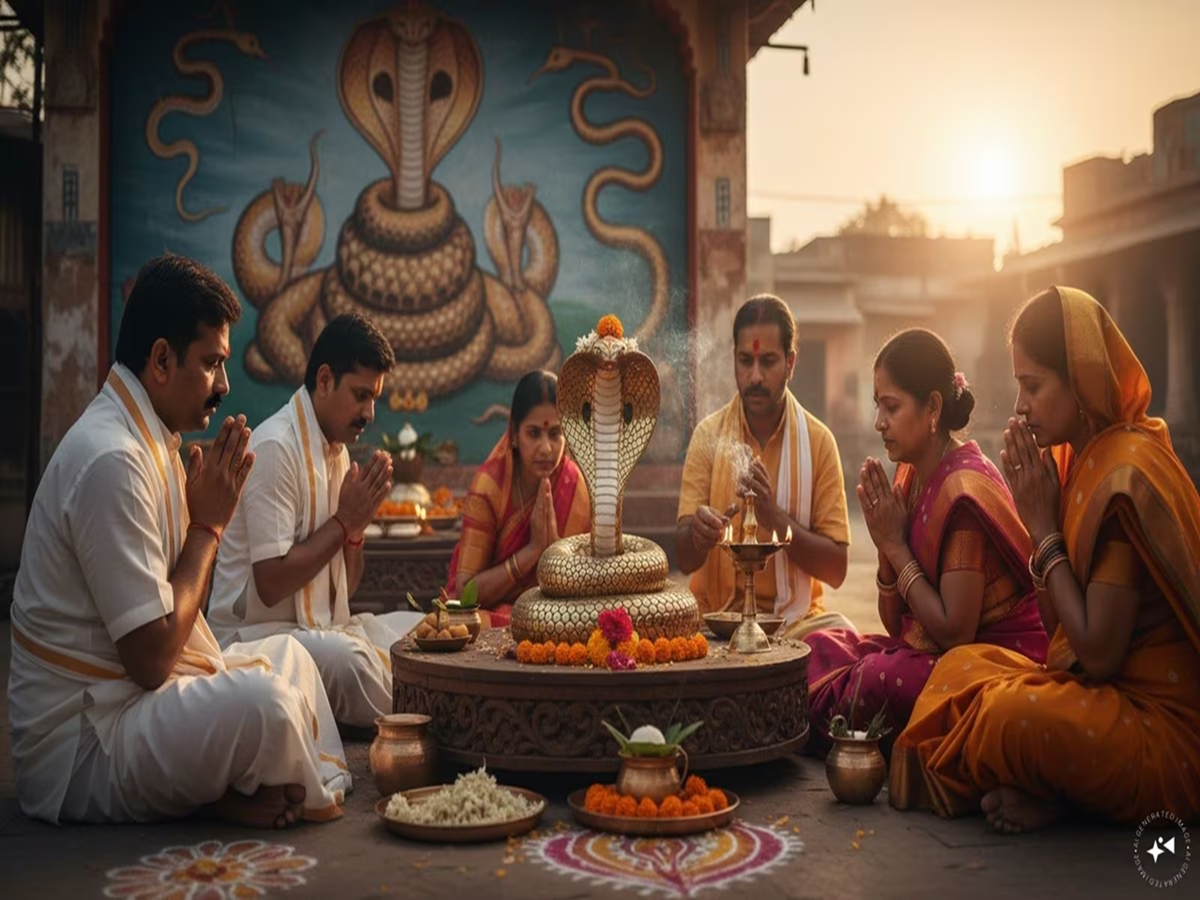
Nag Panchami 2026 Tradition: The festival of Nag Panchami is celebrated annually on the *Panchami Tithi* (fifth day) of the bright fortnight (*Shukla Paksha*) of the month of *Sawan*; this year, this auspicious day falls on Monday, August 17. In Hinduism, Nag Panchami symbolizes the worship of the Serpent Deity (*Nag Devta*) and respect for nature. There is a tradition of worshipping the Serpent Deity alongside Lord Shiva on this day. Various beliefs associated with Nag Panchami are still observed with reverence in different regions. One such specific tradition is the practice of not making *rotis* (flatbreads) and not placing the *tawa* (griddle) on the gas stove or hearth on this day. Let us understand the primary reason behind this...
Rahu and Ketu on Nag Panchami
On Nag Panchami, astrological alignments related to *Sarpa Dosha*, *Kalsarpa Dosha*, and specifically shadow planets like Rahu and Ketu become highly potent. In astrology, Rahu and Ketu are considered symbols of the serpent; Rahu represents the serpent's head, while Ketu represents its tail. *Kalsarpa Dosha* is formed when the positions of Rahu and Ketu in a birth chart are unfavorable. Worshipping the Serpent Deity and Lord Shiva with proper rituals on Nag Panchami helps mitigate the adverse effects of *Kalsarpa Dosha*.
Why is the *Tawa* (Griddle) Not Used on Nag Panchami?
Since the day is dedicated to the Serpent Deity, there is a tradition of avoiding activities such as digging the earth, harming plants, or doing anything that might damage snakes or their burrows. Similarly, in some regions, the use of the *tawa* and other iron implements is avoided on this day. According to astrology, the *tawa* is considered a symbol of Rahu and the hood of the Serpent Deity; therefore, it is not placed on the fire. Rahu is a shadow planet that increases negativity and creates confusion in life, leading to various kinds of troubles.
The Serpent Deity's Hood and the Griddle
According to religious beliefs, the *tawa* (flat griddle) is likened to the hood of the serpent deity (*Nag Devta*), and the festival of Nag Panchami is dedicated to these deities. Consequently, placing a griddle on the fire is considered akin to heating the serpent deity's hood. Thus, disrespecting the hood in this manner on Nag Panchami is deemed inauspicious; doing so can disrupt the peace and happiness of one's life and invite misfortune. However, one may cook food in a deep pot or large vessel (*bhagona*). For this reason, there is a tradition of consuming dishes like *halwa-puri* or *dal-baati* on this auspicious day.
The Tradition of Not Digging the Earth
The traditions associated with Nag Panchami are not limited merely to rituals and worship; they also convey a message regarding the protection of nature and wildlife. During the monsoon season (*Sawan*), snakes often emerge from their burrows. Digging the ground or disturbing the area around these burrows during this time could harm them. Therefore, the custom of abstaining from digging the earth on Nag Panchami is also viewed through the lens of environmental conservation.
Is Refraining from Using the Griddle a Mandatory Scriptural Rule?
It is important to note that the tradition of not using a griddle on Nag Panchami is not uniform across all regions. The methods of celebrating Nag Panchami vary among different states and communities in India. In some places, the griddle is not used at all, while in others, ordinary meals are prepared. Therefore, it would be inappropriate to regard this as a mandatory religious rule for the entire country; it is primarily a matter of local folk tradition and family beliefs. The core message of Nag Panchami is rooted in reverence for the serpent deity, respect for nature, and a spirit of protecting living creatures.
PC Social Media