LIFESTYLE
Why are the bell, conch shell, and lamp essential in the worship thali? Learn the significance of each item..
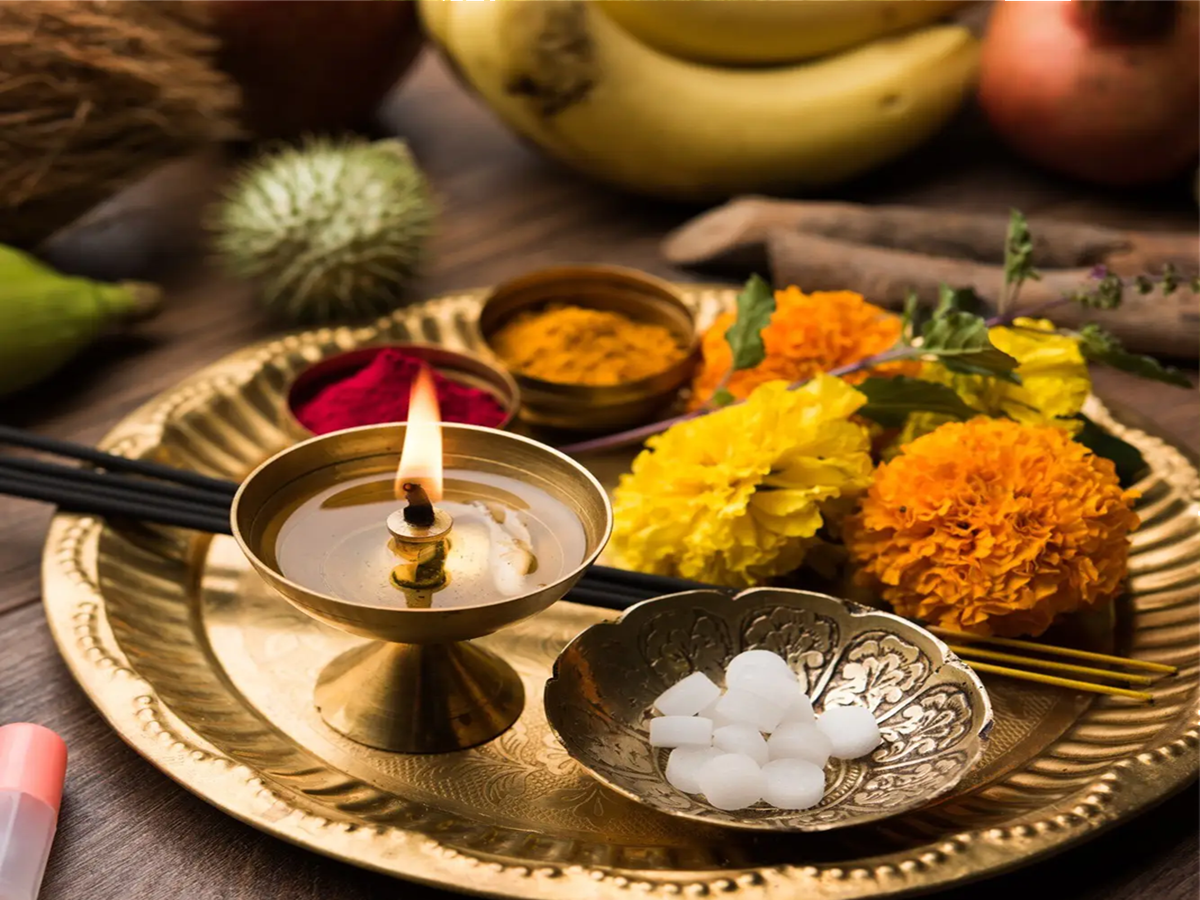
Significance of Puja Items: Various items are used during worship in Hinduism. Among these, the bell (*ghanti*), sacred pot (*kalash*), conch shell (*shankh*), and lamp (*deepak*) hold a special place. These are not merely ritual objects; distinct religious beliefs and symbolic meanings are associated with them. Let us explore why these four items are used in worship and understand their significance.
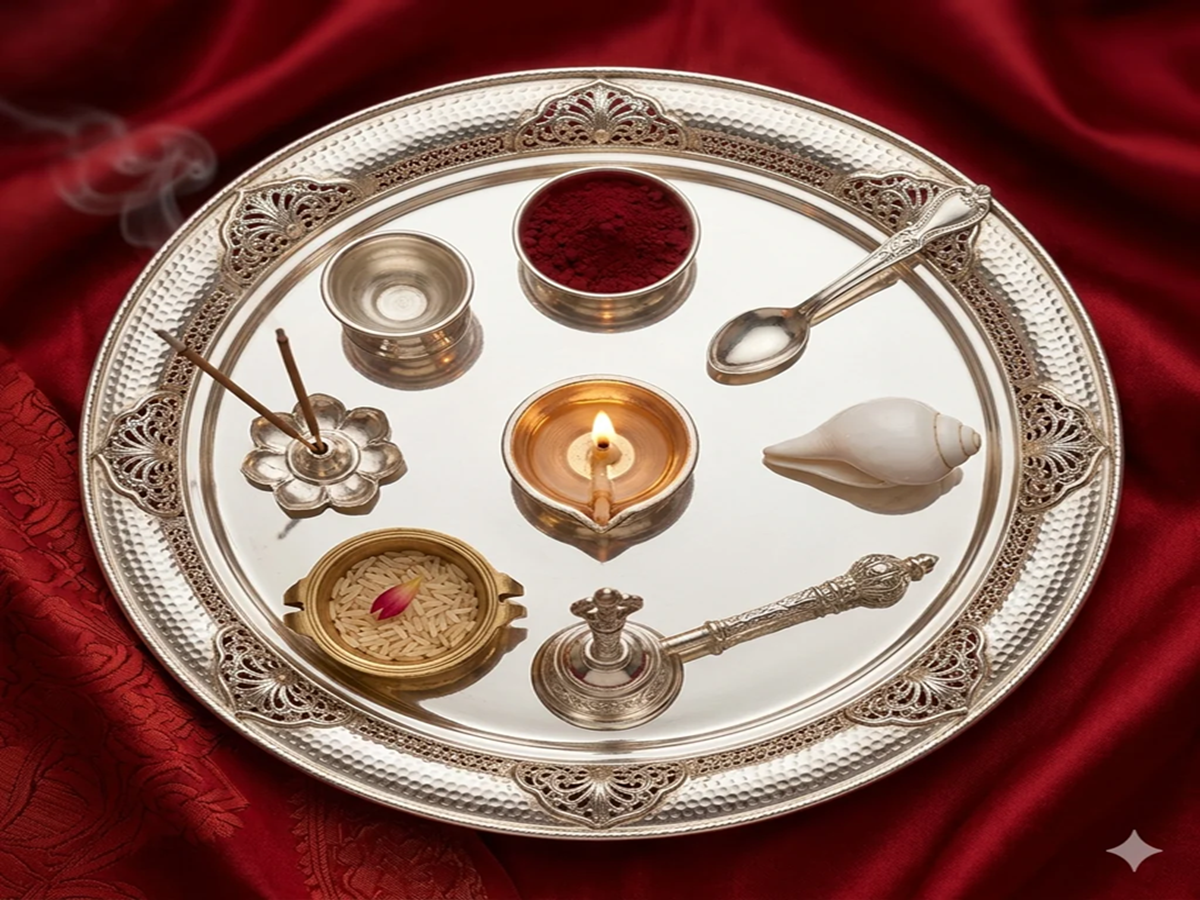
Various objects are utilized during worship in Hinduism, with the bell, sacred pot, conch shell, and lamp being prominent among them. While often viewed simply as standard ritual items, they hold distinct significance within religious traditions. Whether in a temple or a home shrine, these items have been used for centuries, accompanied by various religious beliefs. Let us examine the significance attributed to these four items used in worship.
There is a tradition of ringing a bell in the temple before commencing worship. According to religious belief, the sound of the bell is considered auspicious and is associated with creating a positive atmosphere for worship. Many traditions hold that ringing the bell dispels negativity and helps focus the mind on the ritual. Ringing the bell upon entering a temple is part of this religious custom. Furthermore, the sound of the bell evokes a unique spiritual resonance in the surrounding environment.
In worship, the *kalash* (sacred pot) is regarded as a symbol of prosperity, completeness, and auspiciousness. Typically, the pot is filled with water, and mango leaves and a coconut are placed atop it. The installation of the *kalash* is accorded special importance in religious rituals. The water within the pot symbolizes purity and life, while the coconut is viewed as an auspicious fruit. The *kalash* is installed during housewarming ceremonies, Navratri, weddings, and other auspicious occasions.
The conch shell (*shankh*) is associated with Lord Vishnu and is considered auspicious in worship. The tradition of blowing the conch shell is observed in many religious rituals. It is believed that the sound of the conch purifies the atmosphere and fosters a positive environment during worship. In many households, water kept in a conch shell is also used in accordance with religious rituals following the main worship. However, traditions associated with the use of the conch shell may vary across different regions and sects.
The *deepak* (lamp) is considered a crucial element of worship. Its flame symbolizes knowledge, light, and auspiciousness. Religious belief holds that lighting a lamp during worship dispels darkness and negativity. The tradition of lighting lamps using either ghee or oil is observed in various forms of worship, and the act of circling the lamp during *Aarti* is also part of this religious tradition.
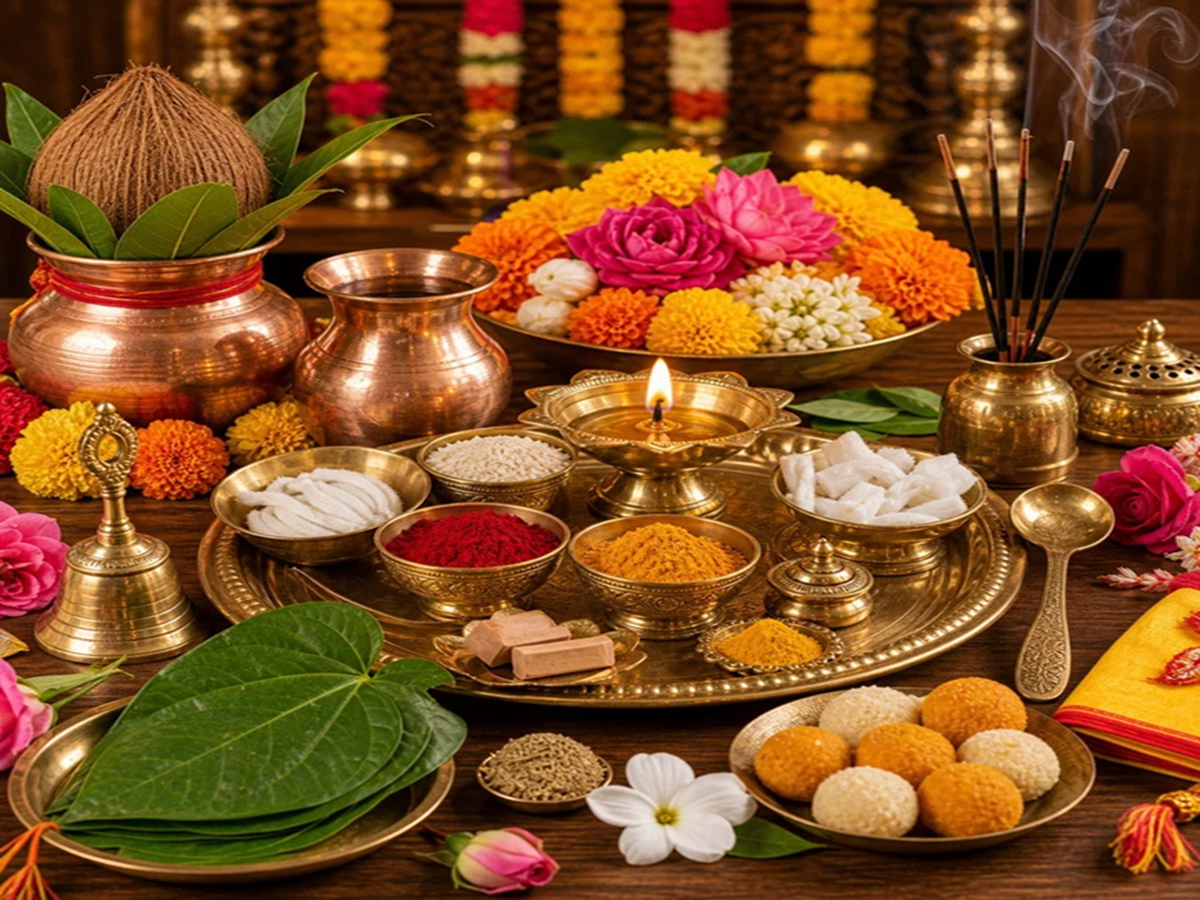
Thus, items such as the bell, *kalash* (sacred pot), conch shell, and lamp are not merely ritual objects; they are imbued with religious symbolism and tradition. Their significance may vary slightly depending on the specific method of worship and the region. Ultimately, the most important aspects of worship are considered to be devotion, cleanliness, and adherence to the prescribed rituals.
PC Social Media