LIFESTYLE
Why do elders forbid plucking flowers at night? Is it merely superstition? Find out here..
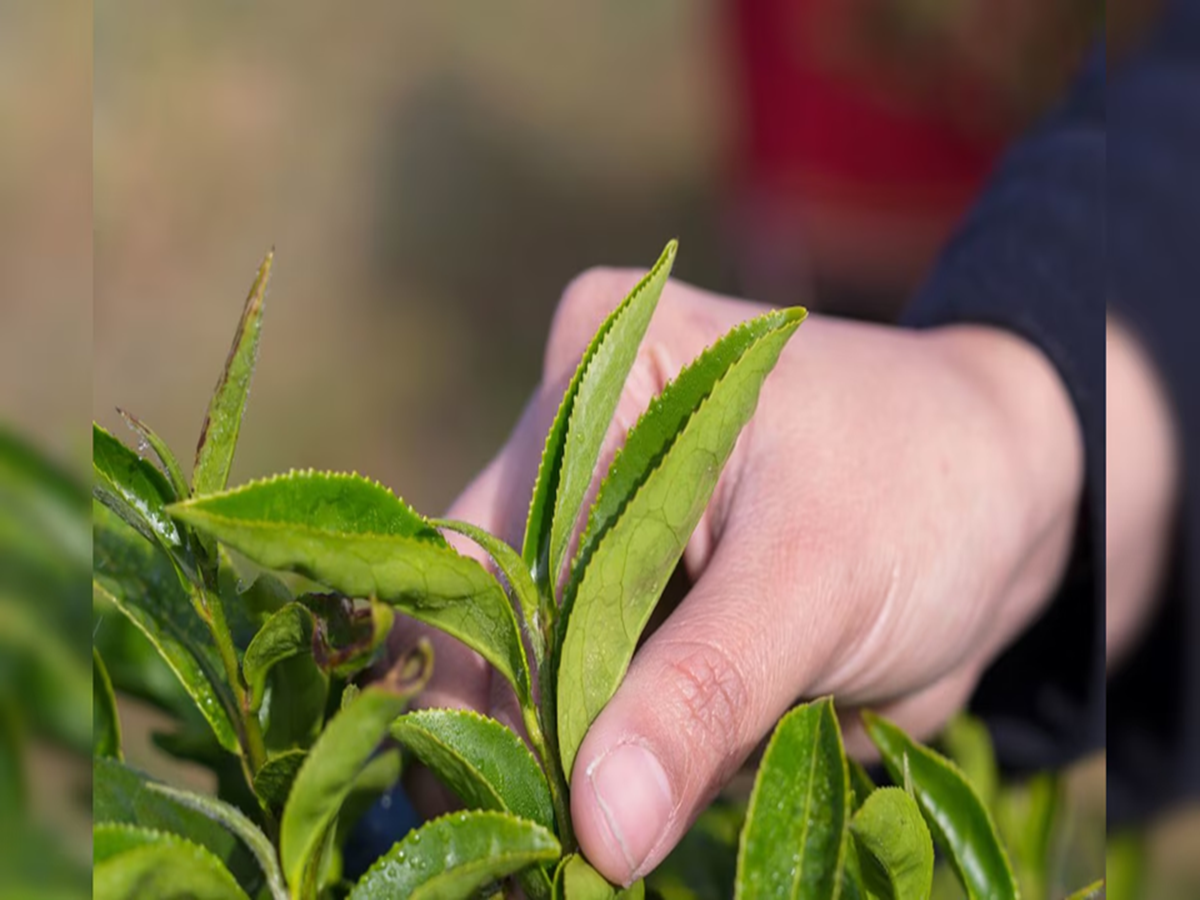
In Sanatan Hindu Dharma, acts of worship and rituals hold special significance; however, religious life is not limited merely to temples and *aarti* (ritual lamp ceremonies). Religious scriptures and traditions prescribe guidelines for almost every aspect of daily life—such as when to wake up, which direction to sleep in, how to consume food, and how to conduct oneself in relation to nature. Among these traditions, a significant belief is that one should not touch trees and plants after sunset, nor should one pluck their leaves or flowers. Even today, the elders in households advise adhering to this rule. This tradition is not based solely on religious faith; rather, it is underpinned by profound spiritual and scientific rationale.
**Here are the Answers**
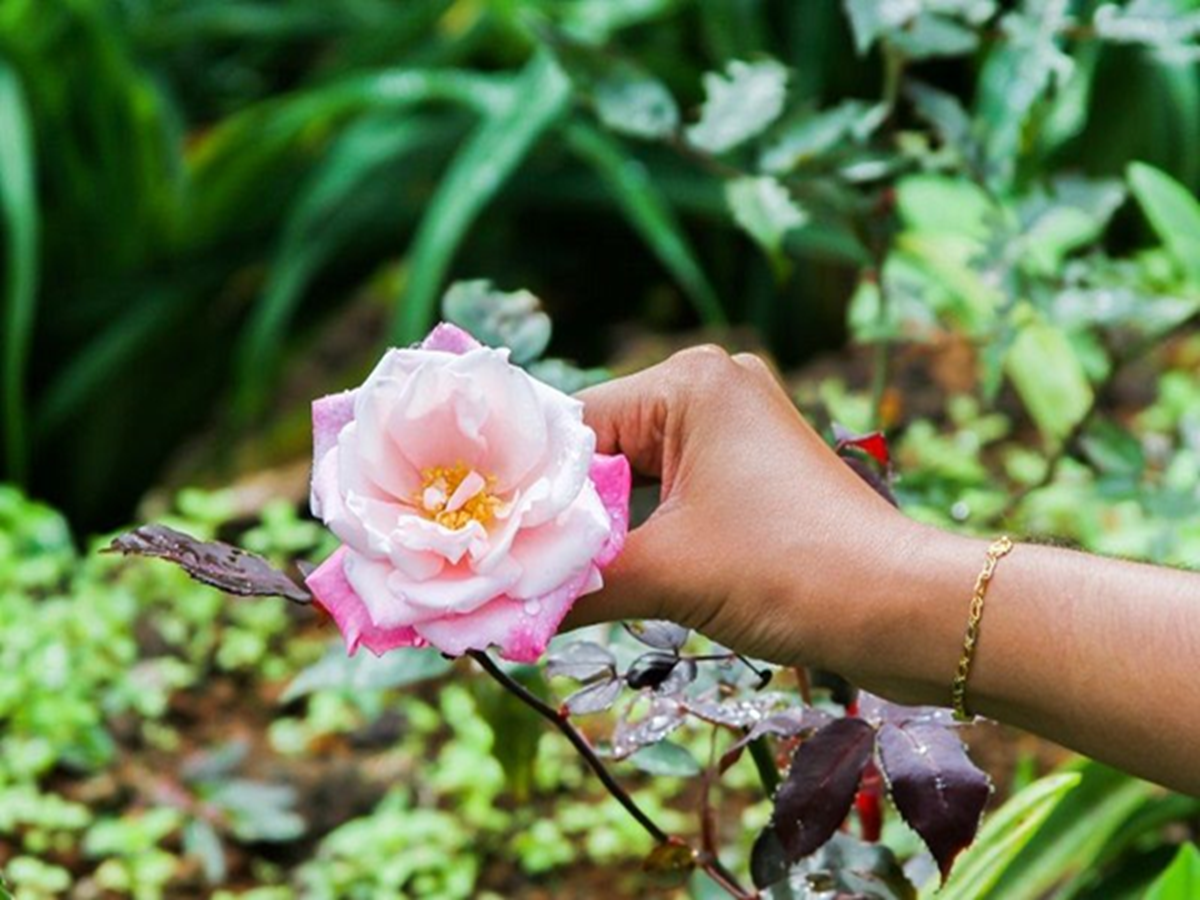
Speaking on this matter to *Local 18*, Pandit Deeplal Jaipuri—an astrologer from Ambala—explains that in Sanatan Dharma, trees and plants are regarded as living entities. Just as humans and other living creatures rest at night after remaining active throughout the day, trees and plants, too, enter a state of repose after sunset. Therefore, disturbing them or plucking their branches, leaves, or flowers during the night is considered inappropriate. According to the *Padma Purana*, flowers and leaves intended for the worship of deities should be plucked only after sunrise and following one's morning bath. Flowers plucked at night are considered impure; from a religious perspective, using such flowers in worship does not yield the full spiritual merit. The scriptures explicitly forbid the offering of stale or withered flowers.
According to Pandit Deeplal, there are also practical reasons behind this practice, as most flowers bloom in the morning and retain their fragrance and freshness throughout the day. However, as evening approaches, their natural beauty begins to fade. Many flowers start to wither after sunset, and consequently, they are not considered suitable for use in worship. Furthermore, birds roost in trees at night, and numerous small insects and creatures also seek shelter within the foliage. In such a context, disturbing plants at night could disrupt their natural life cycles.
This Is Not Superstition
Pandit Deeplal explains that, even from a scientific perspective, this tradition conveys a message of environmental conservation and teaches us to treat nature with sensitivity. We must respect the resting periods of other living beings. This is precisely why, in Sanatan Dharma, trees and plants are revered as divine entities and worshipped accordingly. Thus, the tradition of refraining from touching trees and plants after sunset is not a superstition; rather, it represents a beautiful confluence of respect for nature and scientific reasoning.
PC Social Media