LIFESTYLE
Why do UTIs keep coming back? A urologist explains the reasons and how you can manage them..
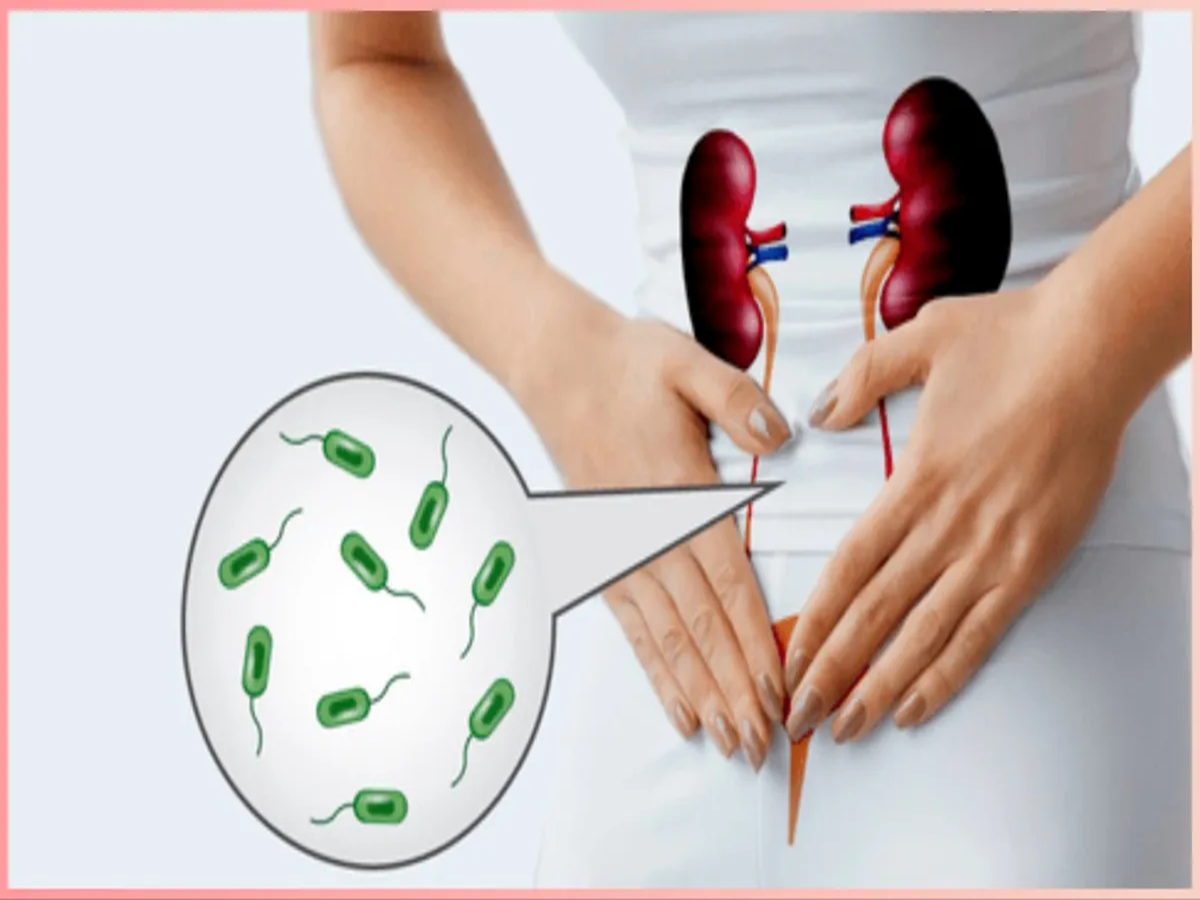
Why UTIs Recur: A UTI, or urinary tract infection, refers to an infection occurring anywhere along the urinary tract. Typically, certain types of bacteria enter through the urinary tract, reach the bladder or other related organs, and attach themselves to the inner lining. From there, they begin to multiply rapidly. As they grow, the affected organs become inflamed, leading to a burning sensation, pain, and itching. In such cases, the nerves in the bladder wall become hypersensitive, causing frequent, problematic urination. This is an uncomfortable condition, and the constant urge to urinate leads to significant irritation. Dr. Vineet Malhotra, a prominent senior urologist at VNA Hospital, New Delhi, provides important insights into why this happens and what steps can be taken to address it.
Diabetes and Reduced Bladder Function
Dr. Vineet Malhotra explains that there are several reasons why a UTI might keep recurring. First, it is important to understand that the condition affects men and women differently. A common factor in both is diabetes. In patients with diabetes, high blood sugar levels can lead to the presence of glucose in the urine, which creates an ideal environment for bacteria to thrive. Furthermore, diabetes can weaken the immune system. These factors combined increase the risk of recurring bacterial growth. If diabetes is uncontrolled, the risk of a UTI is significantly higher. Additionally, the presence of stones in the kidneys or the urethra can be a major cause of recurrent UTIs. A third significant factor is the inability to empty the bladder. There are several reasons why the urinary bladder may not empty. This can occur due to an obstruction in the urinary tract, nerve weakness, or a weakening of the bladder itself. When the bladder fails to empty, it creates a recurring risk for bacterial growth. Since bacteria thrive in moist environments, they can enter the body and reach the bladder. In some cases, an infection originates elsewhere in the body, and the bacteria travel through the bloodstream to the kidneys or the urinary tract, leading to an infection.
Higher Risk in Women
Dr. Vineet Malhotra explains that women face a higher risk of recurrent urinary tract infections (UTIs). A primary reason for this is that the female urinary tract—including the bladder and related structures—is relatively small and compact. Furthermore, the proximity of the anus increases the likelihood of bacterial proliferation. When the short length of the female urethra contributes to bacterial growth, the condition is sometimes referred to as urethral stenosis. This often stems from weakness in the bladder muscles or nerves, which prevents the bladder from emptying fully, causing residual urine to remain inside. This stagnant urine provides an environment for bacteria to multiply, leading to recurring infections.
Formation of Bacterial Biofilms
Some bacteria are particularly persistent. Dr. Vineet Malhotra notes that in certain individuals, bacteria form a protective layer over themselves on the mucosal lining of the urinary tract; this is known as a "biofilm." Once this biofilm is established, the bacteria adhere firmly to the mucosa, making them highly resistant to standard antibacterial defenses. If a foreign body—such as a stone or a medical stent—is present in the urinary tract or bladder, bacteria can rapidly adhere to it and form a 'biofilm.' In some cases, bacteria may even form a biofilm directly on the mucosal lining. Such conditions require a specialized treatment approach, which often involves the direct administration of medication via injection.
What is the treatment?
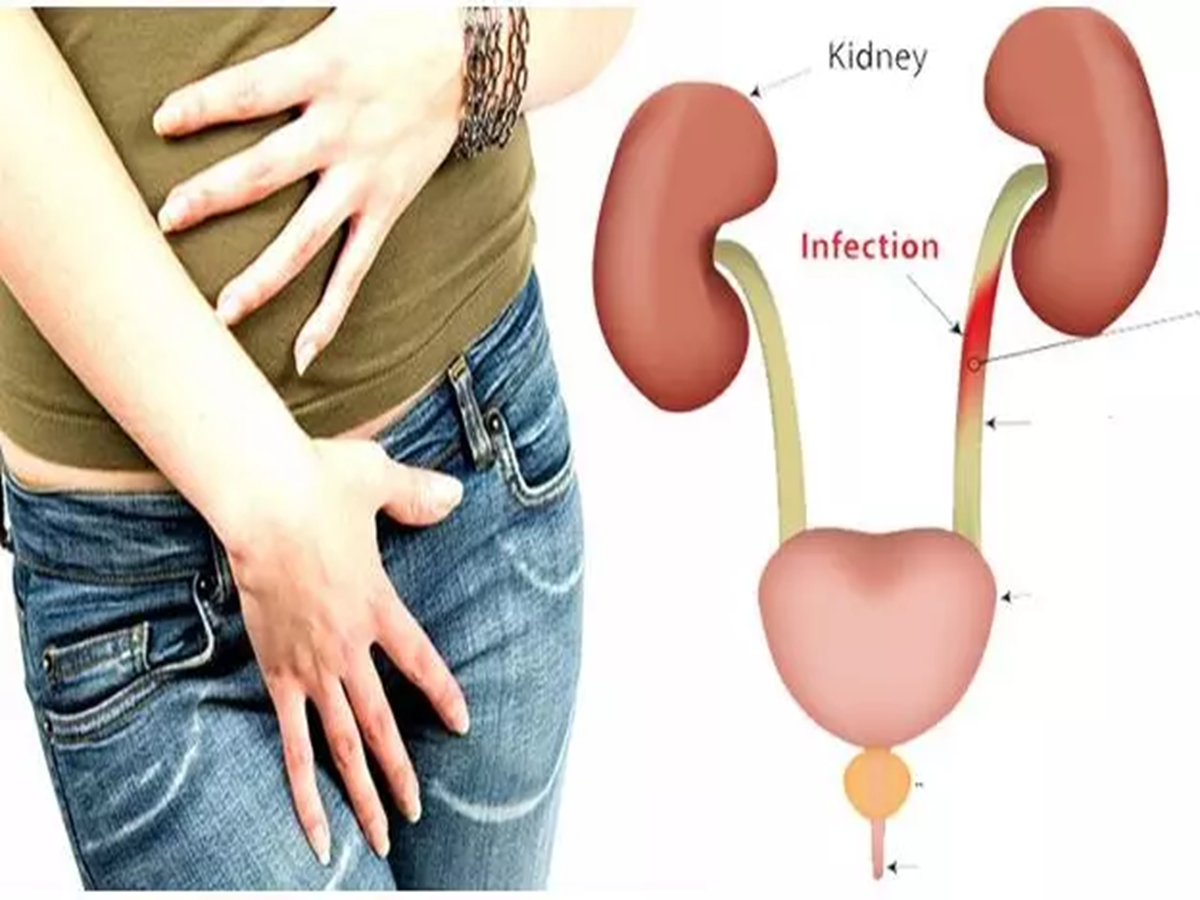
Dr. Vineet Malhotra advises that if you experience recurrent urinary tract infections (UTIs), you should consult a urologist. As previously mentioned, there can be various underlying causes; therefore, specific diagnostic tests are conducted based on the symptoms. If a UTI is recurring due to a stone or a foreign body, it can be identified through these tests. Additionally, testing is required to determine the specific type of bacteria present. Once the root cause is identified through comprehensive testing, it becomes easier to provide effective treatment. In women, a UTI does not necessarily stem from an internal structural issue; it can also be caused by a simple, uncomplicated infection. Consequently, maintaining proper hygiene in the genital and urinary area is essential. Dietary habits are also important; for instance, digestive issues can sometimes lead to an infection. Therefore, it is best to avoid eating outside, or at the very least, ensure that the establishment maintains high standards of hygiene. To help prevent UTIs, drink plenty of water, as this helps flush out bacteria. However, if UTIs continue to recur despite these measures, it is crucial to consult a specialist.
PC Social Media