LIFESTYLE
Women's Health: Does having PCOS make becoming a mother difficult? It also affects pregnancy and periods..
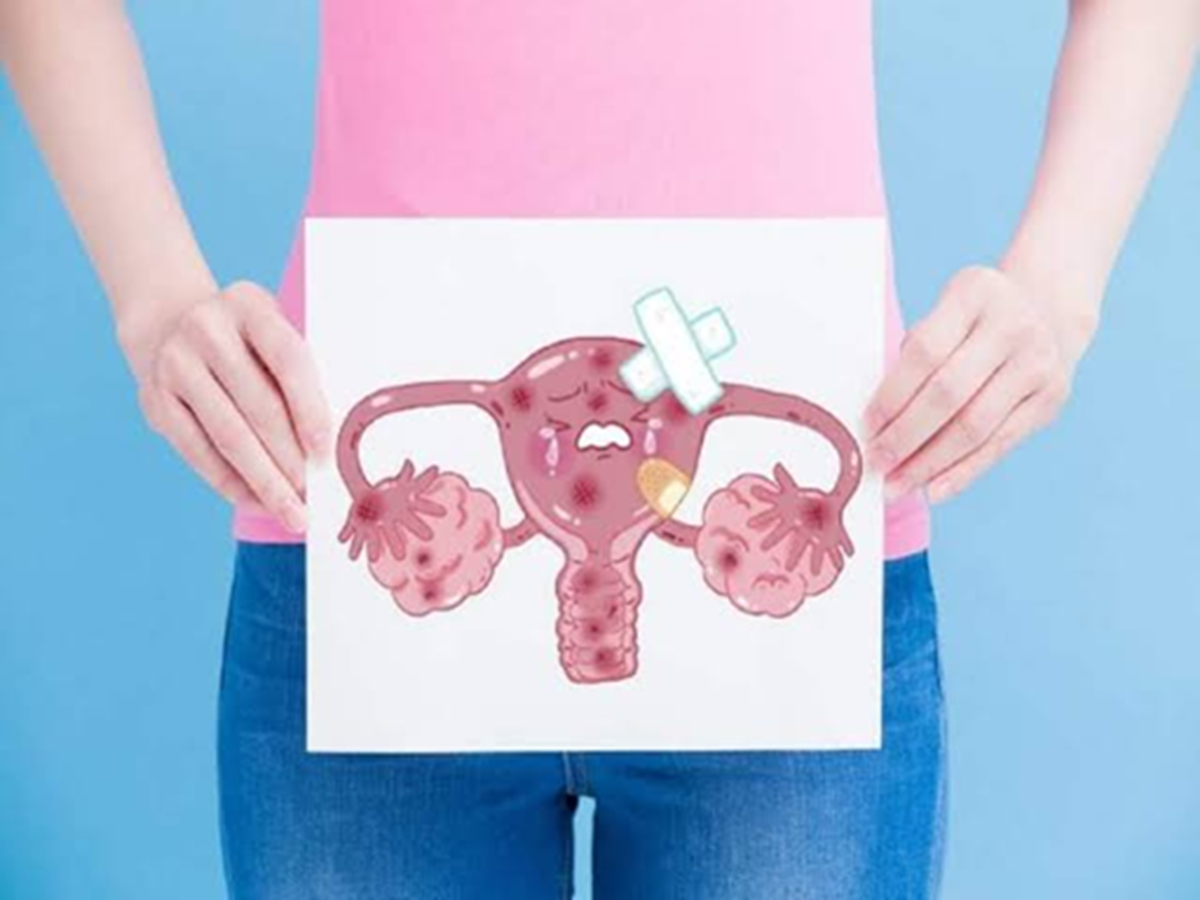
Nowadays, issues such as irregular periods, sudden weight gain, excessive facial hair growth, and acne are becoming increasingly common among young women. When such problems arise, PCOS is often the first condition that comes to mind. However, irregular periods are not always a sign of PCOS; there can be various other underlying causes. At the same time, if one does have PCOS, ignoring it is not advisable. To understand why PCOS occurs, what its early symptoms are, and whether it can affect fertility, Local18 spoke with a gynecologist.
**PCOS: A Common Hormonal Issue**
Dr. Pooja Goyal, a Senior Consultant and Specialist in Mother and Child Care (Obstetrics and Gynecology) at Amrita Hospital, Faridabad, explains that PCOS is becoming a common hormonal issue these days. She notes that PCOS—or Polycystic Ovary Syndrome—is a hormonal disorder primarily seen in young women. Modern lifestyle factors, including diet and daily routines, play a significant role; habits such as consuming junk food and staying up late can exacerbate the condition. Additionally, increased awareness means that people seek medical advice as soon as symptoms appear, leading to a higher rate of diagnosis.
**Irregularities in Menstruation**
Dr. Pooja Goyal explains that menstrual irregularities are often the first early symptom of PCOS. Periods may become delayed, sometimes resulting in gaps of one and a half, two, or even three months. In some women, menstruation may stop altogether, requiring medication to induce a period. Other symptoms include sudden weight gain, acne, and excessive facial hair growth caused by elevated levels of male hormones in the body.
Dr. Pooja points out that there is a strong link between PCOS and weight gain. PCOS is not caused solely by obesity; in many cases, the condition itself triggers weight gain. Obesity and hormonal imbalances often create a vicious cycle; therefore, breaking this cycle is crucial. Controlling weight and making lifestyle changes can lead to significant improvement in PCOS symptoms. Many young women also harbor fears regarding pregnancy.
**Challenges with Pregnancy**
Dr. Pooja explains that women with PCOS may face difficulties when planning a pregnancy. Hormonal fluctuations and irregular periods associated with PCOS can complicate conception, but this does not mean that becoming a mother is impossible. With medical assistance, the condition can be treated and managed effectively.
Regarding diet and stress, Dr. Pooja emphasizes the vital role lifestyle plays in managing PCOS. Improving one's diet is essential; intake of sweets, excessive sugar, and refined flour (*maida*) should be reduced. Nuts, green leafy vegetables, and fruits should be included in the diet, and drinking about two to three liters of water daily is important. Additionally, yoga and meditation can help reduce stress. While medical advice is necessary if medication is required, lifestyle modifications are equally crucial.
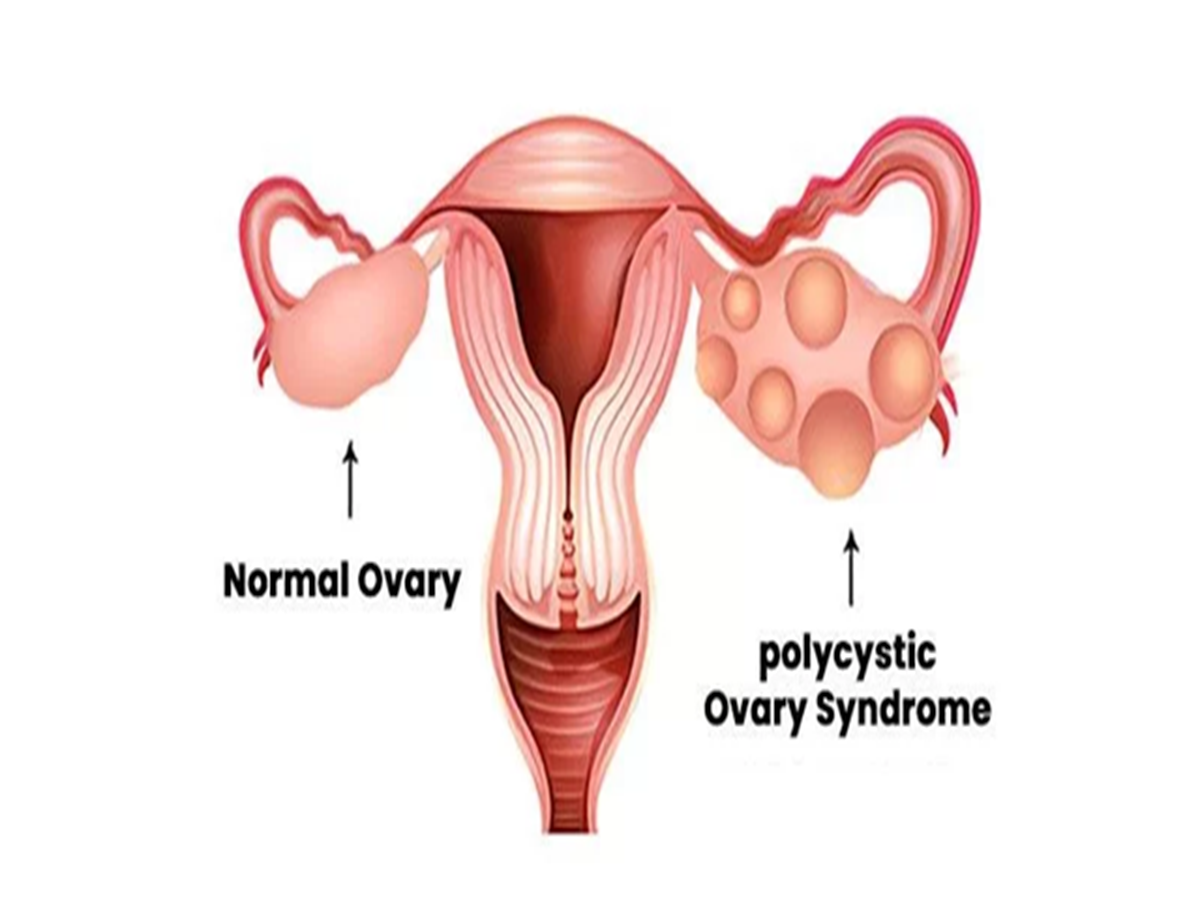
**Pregnancy is Possible with PCOS**
A major myth surrounding PCOS is that it affects only unmarried women or that pregnancy is impossible once diagnosed with the condition. Dr. Pooja clarifies that this is absolutely not the case. PCOS is not a condition that precludes pregnancy. By maintaining a healthy lifestyle and seeking medical help when needed, PCOS can be managed, allowing women to plan a pregnancy successfully.
PC Social Media