LIFESTYLE
World Pneumonia Day: The risk of pneumonia can increase significantly during winter; do not ignore these early symptoms..
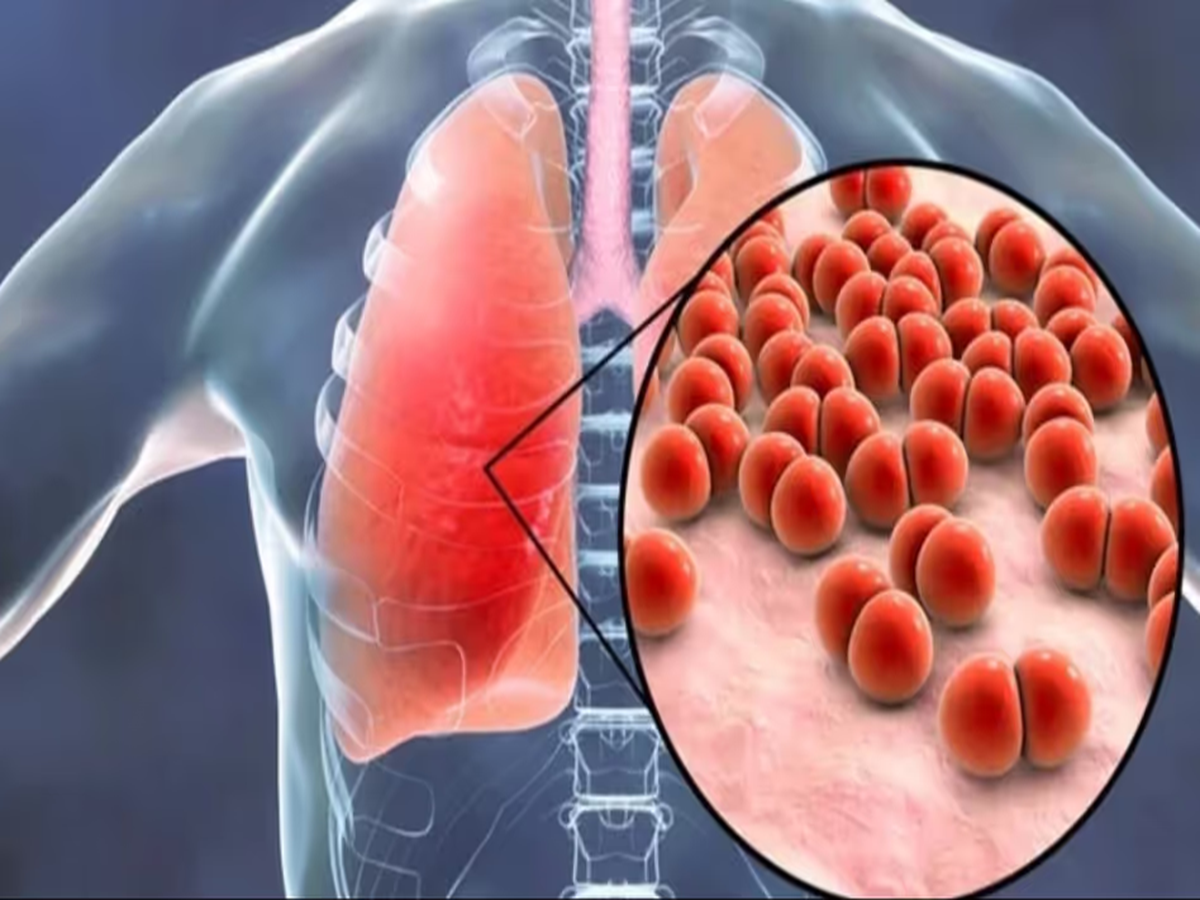
Early Symptoms of Pneumonia: With the onset of the winter season, issues like colds, coughs, and fevers tend to increase. During this time, the risk of pneumonia also becomes a significant concern. Pneumonia is a lung infection that can cause inflammation in the small air sacs of the lungs, leading them to fill with fluid or pus. This makes it difficult for the patient to breathe. Young children, the elderly, and individuals with weakened immune systems, in particular, need to be extra cautious regarding this condition.
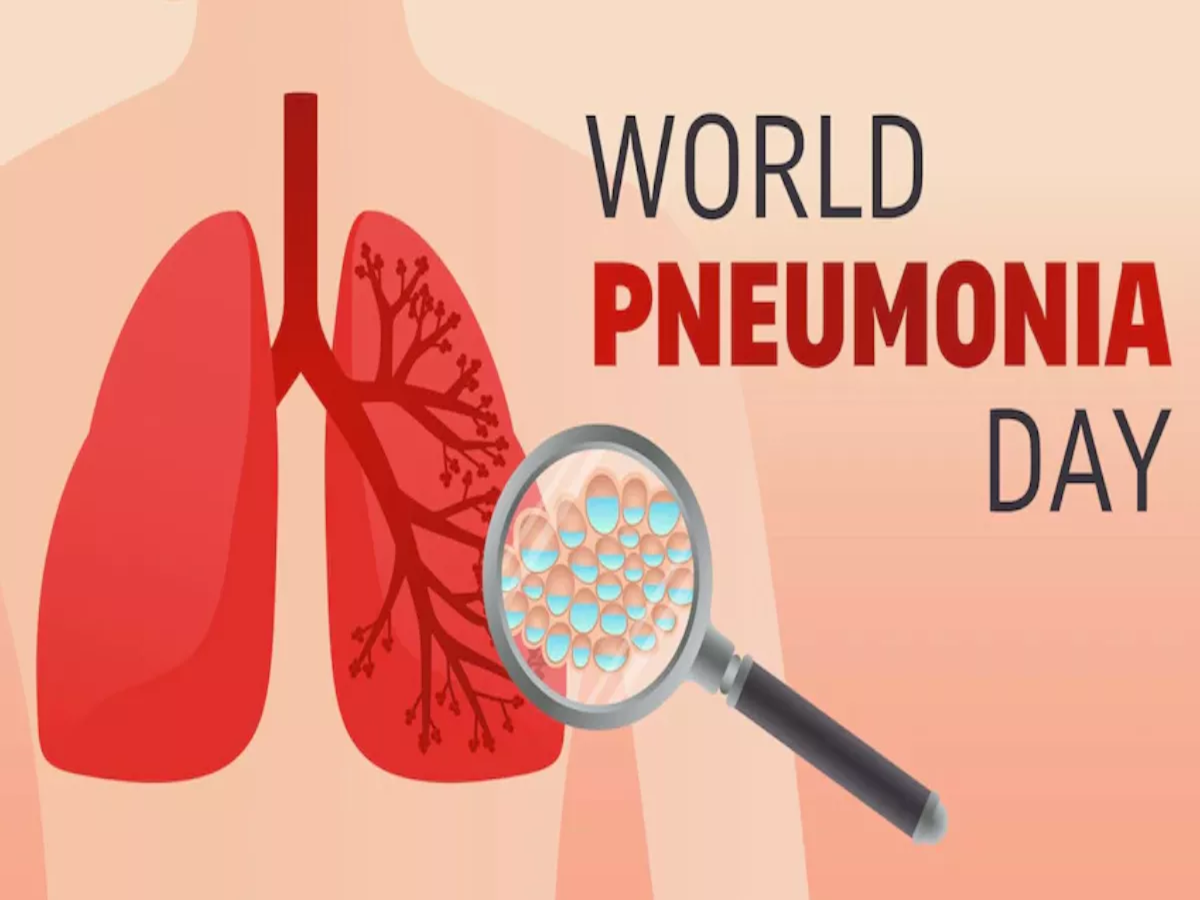
On the occasion of World Pneumonia Day, it is crucial to understand the early signs of this illness so that treatment can be initiated in a timely manner. Let us explore the early symptoms of pneumonia, why the risk increases during winter, and which warning signs should not be ignored, as doing so could have serious health consequences.
What is pneumonia, and how does it occur?
Pneumonia is a lung infection that can be caused by bacteria, viruses, or, in some cases, fungi. This infection leads to inflammation in the lung's air sacs (alveoli), which may then fill with fluid or pus. This hinders the body's ability to obtain sufficient oxygen. Pneumonia can range from mild to severe; therefore, timely identification and treatment are essential.
Why does the risk of pneumonia increase in winter?
Extra caution is required regarding pneumonia cases during the winter months. Several factors contribute to this:
Increased viral infections: During winter, the flu and other respiratory viral infections tend to spread, some of which can lead to pneumonia.
Weakened immunity: The elderly and those with pre-existing health conditions may have a reduced ability to fight off infections.
Spending time in enclosed spaces: Due to the cold, people tend to spend more time indoors or in closed rooms, which increases the risk of infections spreading. Pre-existing conditions: Individuals with asthma, diabetes, or heart or lung diseases should exercise extra caution.
What are the early symptoms of pneumonia?
Symptoms of pneumonia can vary from person to person. Initially, they may resemble a common cold or flu, making it important to recognize them.
1. Persistent cough
Pneumonia can cause a persistent cough. Some people may experience a dry cough, while others may produce mucus (phlegm) from their throat or chest. The color of the mucus may also vary.
2. High fever and chills
Pneumonia can lead to fever, chills, and shivering. In some elderly individuals, however, the body temperature may actually drop below normal rather than rising as a fever.
3. Difficulty breathing
This is a significant symptom of pneumonia. A patient may experience shortness of breath or difficulty breathing, even while performing routine activities.
4. Chest pain
Chest pain may occur when coughing or taking a deep breath. This is often due to inflammation in or around the lungs.
5. Fatigue and weakness
When a person has pneumonia, their body is actively fighting an infection. This can lead to significant fatigue, weakness, and lethargy.
6. Loss of appetite
Some patients may experience a loss of appetite, nausea, or vomiting. In children, this might manifest as a reduced desire to feed or eat.
How to identify symptoms of pneumonia in children and the elderly?
In children and the elderly, the symptoms of pneumonia may sometimes differ from the typical signs.
Signs to look for in children:
Rapid breathing.
The chest pulling inward below the ribcage while breathing.
Difficulty feeding or eating.
Unusual lethargy or irritability.
Fever and cough. Signs to look for in the elderly:
Sudden confusion or changes in mental state.
Extreme weakness and fatigue.
Shortness of breath.
Reduced appetite.
Infections, which may sometimes occur even without a fever.
These symptoms should not be ignored; you should consult a doctor for an evaluation.
How can you prevent pneumonia?
Certain precautions can be taken to help prevent pneumonia:
Get vaccinated: Consult your doctor about receiving pneumococcal and influenza vaccines. The specific vaccines required may vary based on your age and health status.
Maintain hand hygiene: Wash your hands regularly with soap and water.
Cover your mouth when coughing: Use a tissue or your elbow when coughing or sneezing.
Avoid smoking: Cigarettes and tobacco can damage your lungs.
Eat a nutritious diet: Include fruits, vegetables, lentils, and protein-rich foods in your diet.
Get adequate sleep: Sufficient sleep and a regular daily routine help maintain the body’s natural immune system.
When should you seek immediate medical attention for pneumonia?
Certain symptoms of pneumonia may indicate a serious condition; delaying medical care in such cases can be dangerous:
Severe difficulty in breathing.
Bluish discoloration of the lips or fingernails.
Intense chest pain.
Confusion or loss of consciousness.
In children, the chest appearing to sink inward while breathing.
Low oxygen levels.
Seek emergency medical assistance immediately if you experience severe breathing difficulties, bluish lips, or loss of consciousness.
PC Social Media