
LIFESTYLE
World Zoonosis Day: From Rabies to Nipah—5 deadly diseases transmitted from animals; learn how to prevent them..
Many infectious diseases originate in animals and can later spread to humans, potentially escalating into major health crises. The recent COVID-19 pandemic demonstrated to the entire world the severe consequences of ignoring an infection.
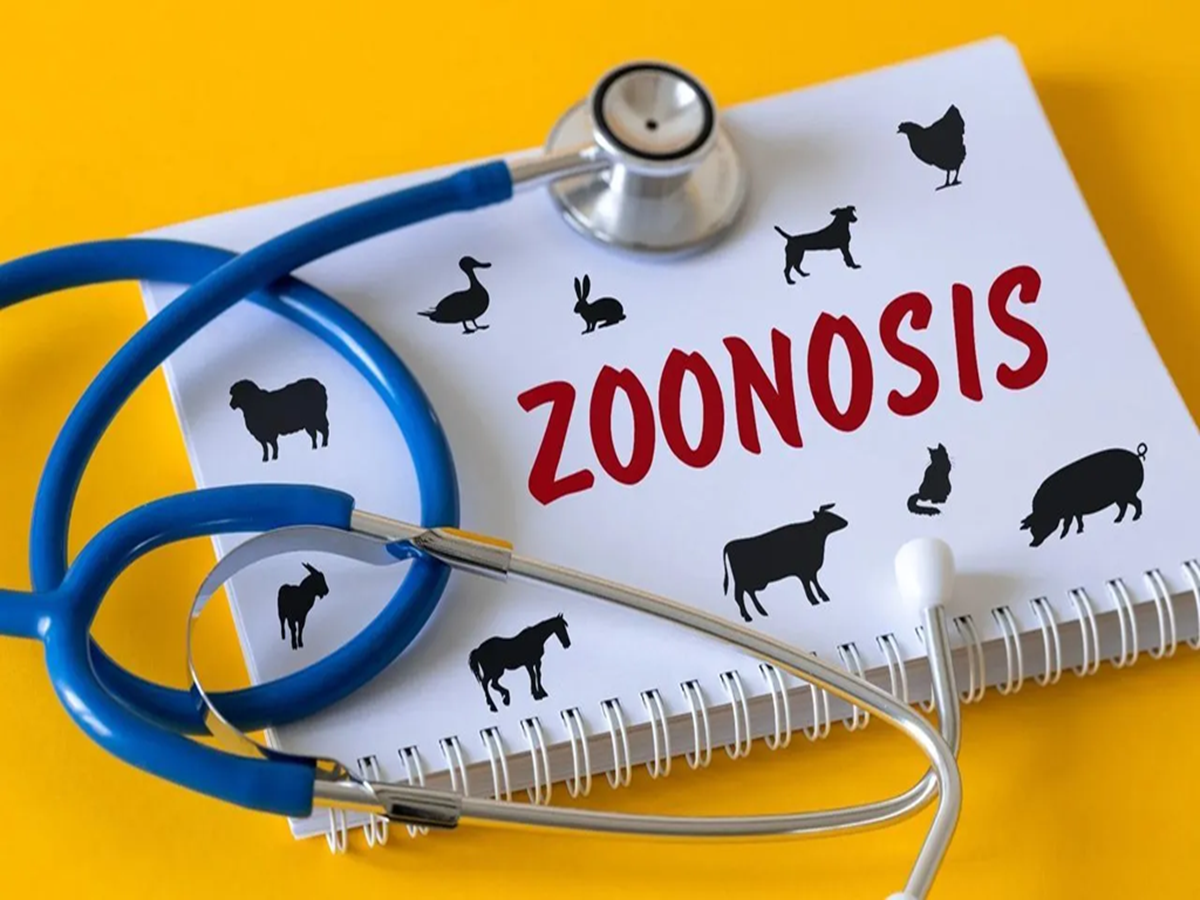
Zoonotic diseases are illnesses that spread from animals to humans. Transmission can occur in various ways; a person can fall ill through direct contact with an infected animal (such as a bite or scratch), via vectors like mosquitoes and ticks, by consuming contaminated food or water, or through exposure to an infected environment.
World Zoonoses Day
The history behind World Zoonoses Day is significant. On July 6, 1885, the renowned scientist Louis Pasteur successfully administered a vaccine for the first time to a child infected with rabies. This day is observed annually to commemorate this milestone and to raise awareness about vaccination and infection prevention.
Diseases Spreading from Animals to Humans
Rabies is one of the most well-known zoonotic diseases. Other serious illnesses in this category include bird flu, Nipah virus, Ebola, Lassa fever, and bovine tuberculosis. Without timely treatment, some of these diseases can prove fatal. According to experts, a large number of infectious diseases worldwide are linked to animals; therefore, staying informed about these diseases and taking timely precautions is crucial.

Preventive Measures
Ensure pets are vaccinated regularly. Consult a doctor immediately if bitten or scratched by an animal. Consume products like meat, eggs, and milk only after they have been thoroughly cooked. Wash hands thoroughly with soap after touching or caring for animals. Maintain a safe distance from sick or dead wild animals. Seek medical advice immediately if symptoms such as fever, weakness, or signs of any unusual infection appear.
PC Social Media