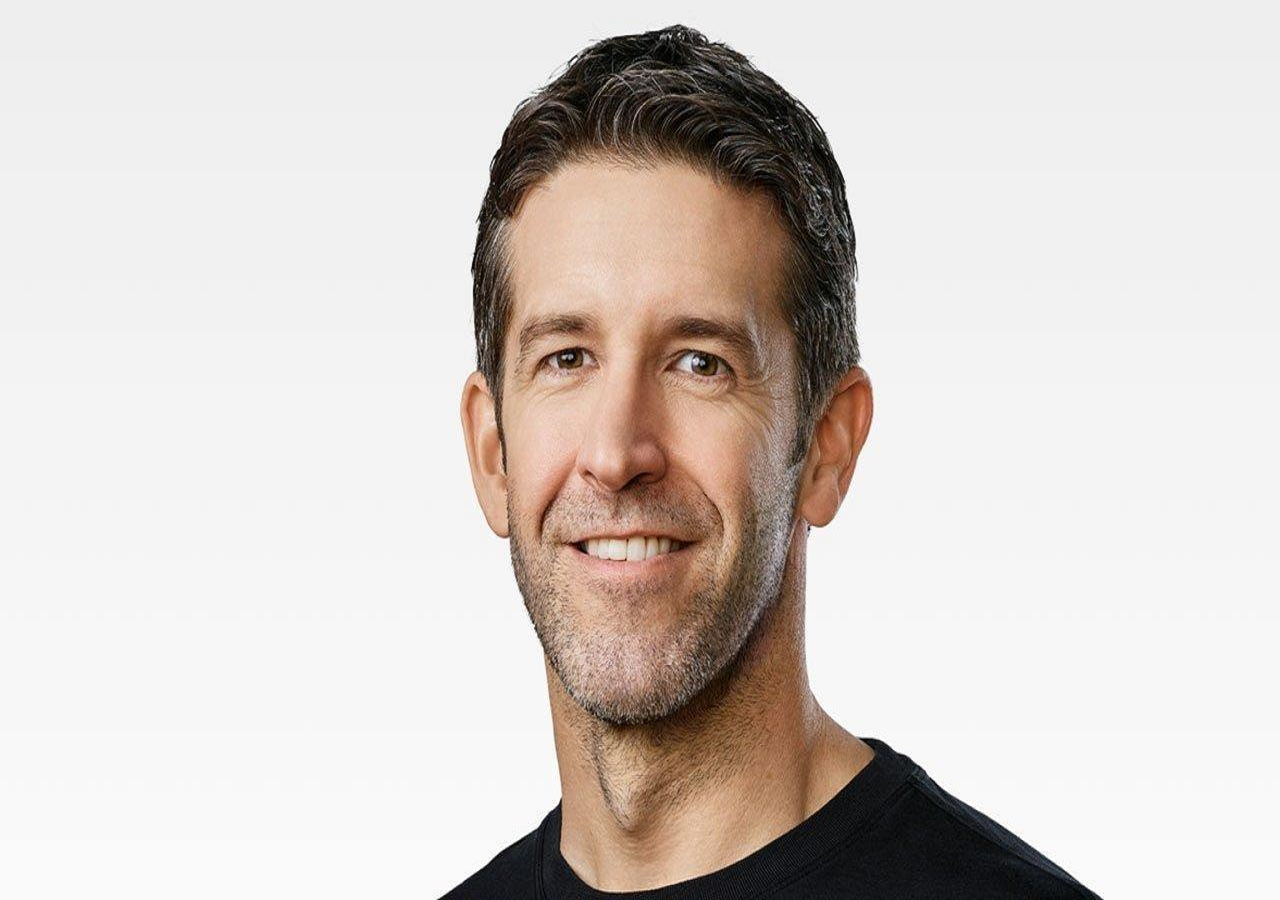
In a landmark leadership transition, Apple has officially named John Ternus as its next Chief Executive Officer, marking the end of an era led by Tim Cook. The transition is set to take effect from September 1, 2026, with Cook expected to move into the role of Executive Chairman of Apple’s board.
This long-anticipated succession plan answers one of Silicon Valley’s biggest questions: who will lead Apple into its next phase of innovation?
Who Is John Ternus?
For many outside the tech industry, John Ternus may seem like a new name—but within Apple, he is a veteran leader with over two decades of experience.
Ternus joined Apple in 2001, building a career deeply rooted in hardware engineering. Over the years, he rose through the ranks to become Senior Vice President of Hardware Engineering—one of the most critical roles in the company.
His work has touched nearly every major Apple product, including:
- iPhone and Mac hardware development
- Apple Watch and AirPods
- Apple’s transition to in-house silicon chips
- Emerging technologies like mixed reality
Before joining Apple, Ternus worked in the tech industry after completing a degree in mechanical engineering from the University of Pennsylvania. However, the majority of his professional journey has been shaped within Apple itself.
Why Apple Chose Ternus as CEO
Apple has clarified that this leadership shift was not sudden. According to internal statements, the company has been planning this transition for years, with Ternus consistently seen as a strong successor.
Tim Cook himself described Ternus as a leader with:
- Deep engineering expertise
- Strong innovation mindset
- Proven leadership qualities
Unlike an external hire, Ternus represents continuity. His deep understanding of Apple’s culture, product philosophy, and long-term vision makes him a natural choice to lead the company forward.
What Challenges Lie Ahead?
Stepping into the CEO role at Apple is no small task. Ternus will inherit a company that is still one of the world’s most valuable—but also facing growing competition and shifting expectations.
Key challenges include:
1. Race in Artificial Intelligence
Rivals like Google and Samsung are accelerating rapidly in AI innovation. Apple is expected to move faster in integrating advanced AI features across its ecosystem.
2. Expanding Product Categories
Apple continues to explore new categories such as mixed reality and next-generation devices. Managing these innovations while maintaining quality will be crucial.
3. Balancing Hardware and Services
Under Tim Cook, Apple significantly expanded its services business. Ternus will need to maintain this growth while continuing hardware excellence.
A Leader from Within: Continuity Over Disruption
One of the biggest advantages for Apple is that Ternus is not an outsider. His long tenure means:
- He understands Apple’s internal systems
- He has worked on key strategic decisions
- He knows the company’s product DNA
This reduces the risk of sudden disruption and signals a smooth leadership transition rather than a drastic shift in direction.
Apple’s CEO Legacy: A Quick Look
Apple’s leadership history includes some of the most influential figures in tech:
- Steve Jobs (1997–2011): Revolutionized products like iPhone, iPod, and Mac
- Tim Cook (2011–2026): Expanded services, global presence, and revenue scale
- John Ternus (2026– ): Set to lead Apple into its next innovation phase
What’s Next for Apple?
With Ternus taking charge, the focus now shifts to execution. The big question isn’t just who he is—but how he will shape Apple’s future.
From artificial intelligence to new product ecosystems, the next few years will define whether Apple can maintain its leadership in a rapidly evolving tech landscape.
Final Takeaway
John Ternus’ appointment as CEO marks a new chapter for Apple. With nearly 25 years inside the company and deep involvement in its most important innovations, he brings both experience and continuity.
While challenges remain, his engineering-driven approach and insider perspective could help Apple stay ahead in an increasingly competitive global market.