Food & recipe
Are you also eating chemically ripened bananas? Identify them in minutes using FSSAI guidelines..
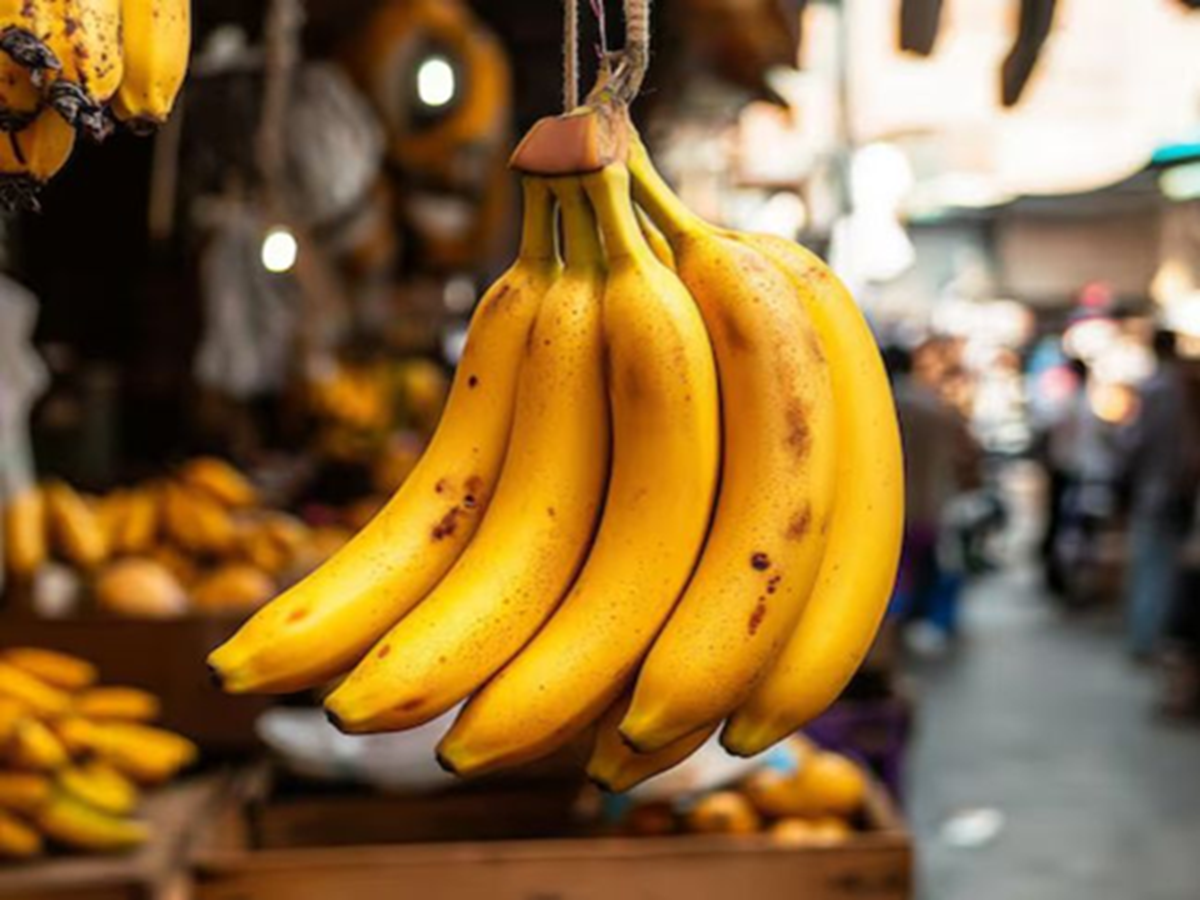
Whether it’s breakfast, lunch, snacks, or a dessert, bananas are a staple in every setting. They are an excellent source of Vitamin B6, Vitamin C, magnesium, and fiber.
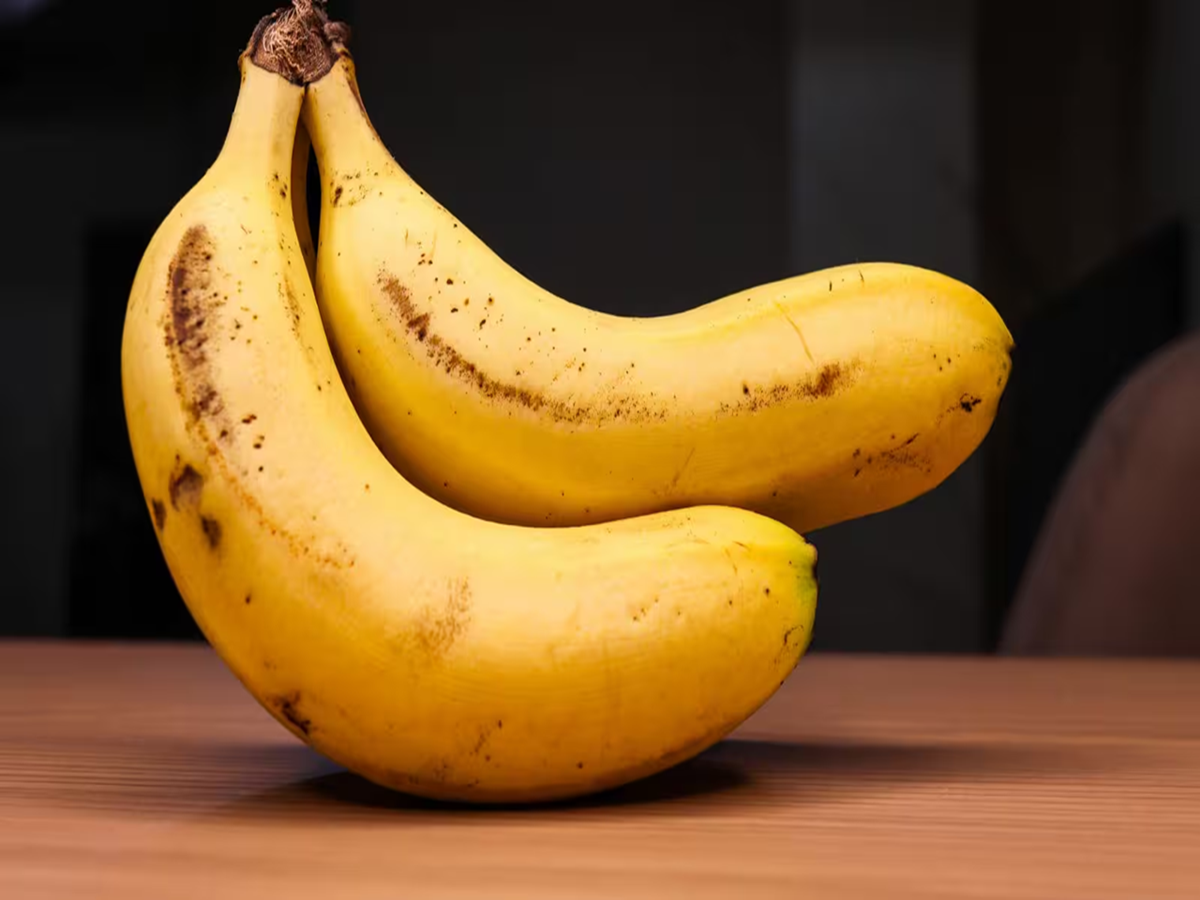
The potassium found in bananas helps regulate blood pressure and keeps the heart healthy, while the fiber improves digestion. Furthermore, bananas contain a special compound called 'tryptophan,' which helps uplift one's mood and promotes deep, restful sleep.
However, is every bright yellow banana you buy from the market truly beneficial? Unfortunately, no. In this era of artificial fruit ripening, even our beloved banana has fallen victim to chemical treatments. Let's learn how to distinguish between a genuine, naturally ripened banana and one that has been chemically adulterated.
**How to Identify Chemically Ripened Bananas?**
If you come across a banana in the market that is bright yellow in the middle but still green at both the top and bottom ends, avoid buying it. This is definitive proof that it has been artificially ripened by dipping it in chemicals. To turn fruits yellow overnight, vendors often use a solution of calcium carbide.' Upon contact with this chemical, the banana turns yellow in the center, while its ends remain green.
**Signs of a Naturally Ripened Banana**
Identifying a naturally ripened banana is quite simple. If the top of the banana—specifically the stem or "neck"—has turned black, it indicates that the fruit has ripened naturally, in its own time, without any artificial interference.
**Why Are These Chemicals Dangerous for Your Health?**
Calcium carbide is extremely harmful to the human body. If ingested, traces of this chemical can cause various health issues, such as irritation, inflammation, stomach pain, and diarrhea.
Some individuals may experience headaches, dizziness, or a strange sense of anxiety after consuming such bananas. Moreover, the gases released during the artificial fruit-ripening process can cause throat irritation and mild respiratory discomfort. FSSAI's Strict Stance and the Ban on 'Spices'
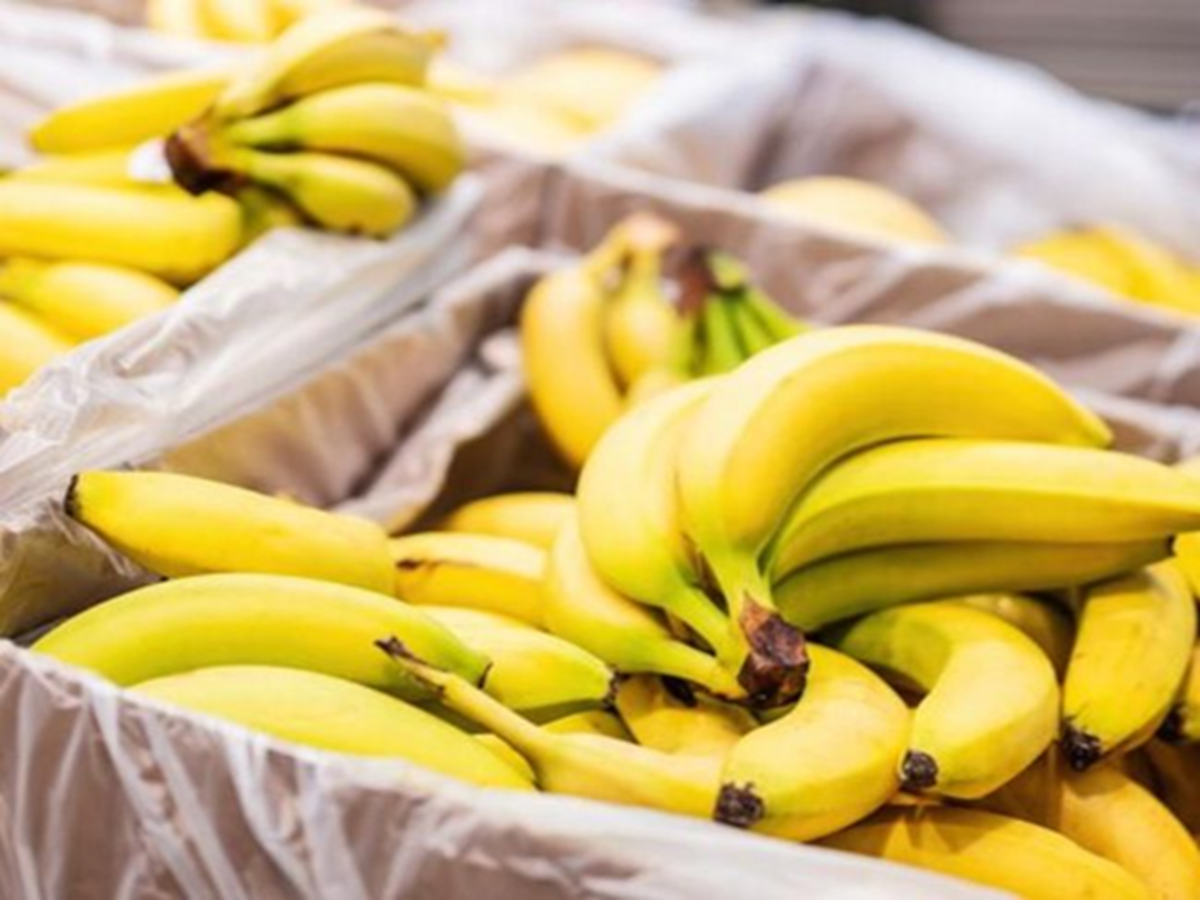
The Food Safety and Standards Authority of India (FSSAI) has imposed a complete ban on the hazardous substance 'calcium carbide.' It contains toxic traces of arsenic and phosphorus, which cause health issues in humans such as weakness and dizziness.
As an alternative, the FSSAI issued a notification on August 23, 2016, approving the safe use of 'ethylene gas' for ripening fruits. Depending on the specific crop and its variety, ethylene gas may be used up to a maximum concentration of 100 ppm (100 µl/L).
PC Social Media