LIFESTYLE
Char Dham portals closed, but 'darshan' continues! Find out where the deities of the four shrines will now be available for worship..
Winter Chardham Yatra: Nestled amidst dense deodar forests, the soothing murmur of the flowing Bhagirathi River, and the shadow of snow-capped peaks, Mukhwa (Mukhimath) in Uttarkashi feels like an ethereal dream. Situated near the Harsil Valley, this tranquil and picturesque village stands as a remarkable confluence of natural beauty and ancient, enduring traditions. Mukhwa (Mukhimath) is a sacred village in the Uttarkashi district of Uttarakhand, revered as the winter abode—and the ancestral home—of Goddess Ganga. A journey to Mukhwa is more than just a mountain trek; it is an unforgettable experience that connects one to the roots of Indian culture, traditional Himalayan lifestyles, and unwavering faith.
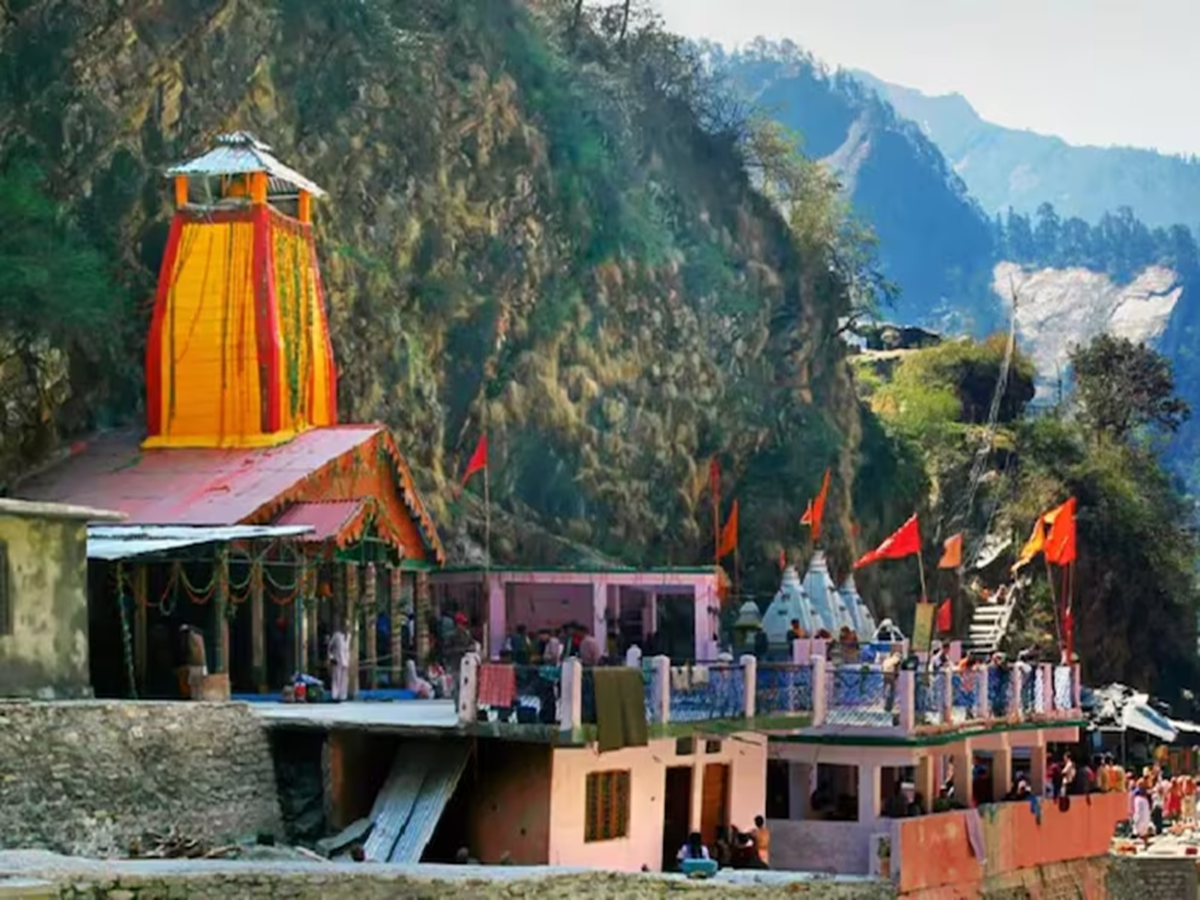
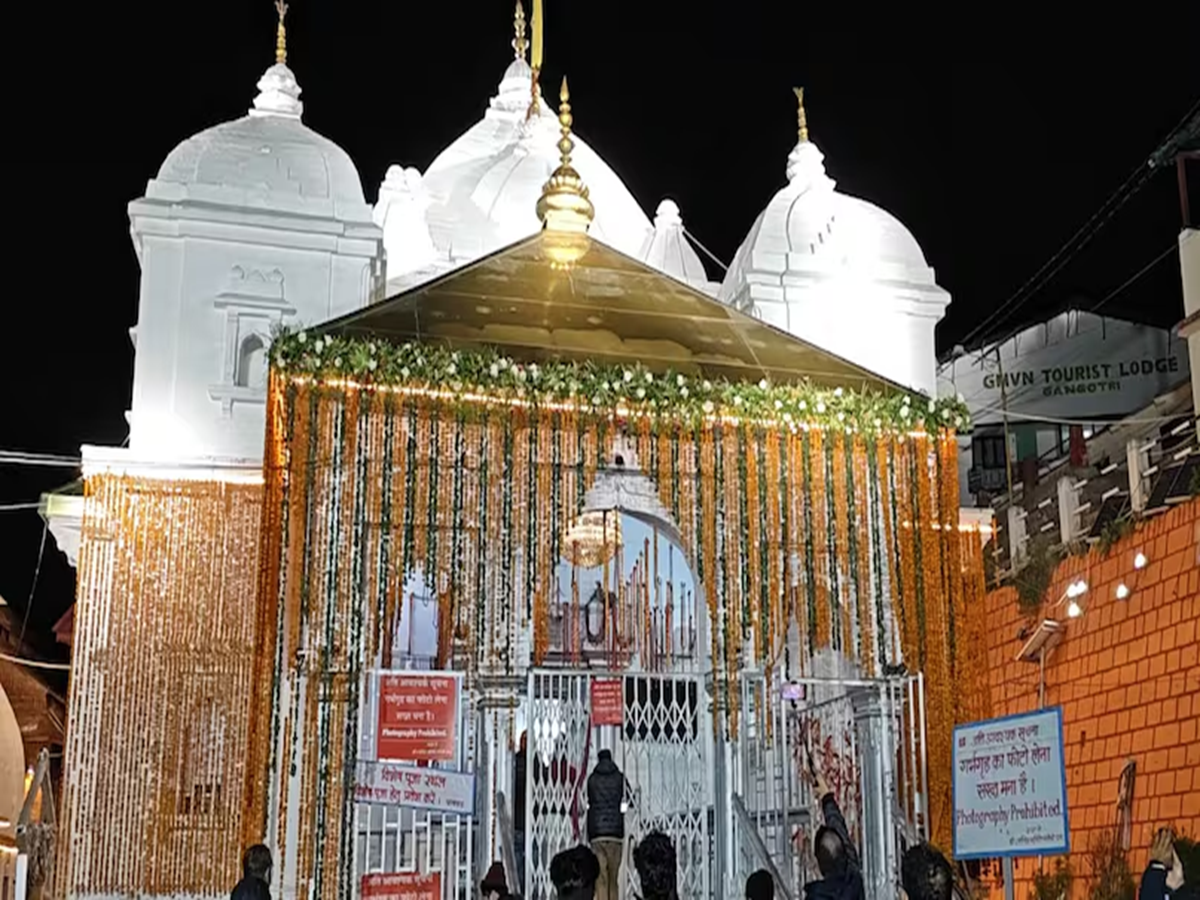
Located in the Uttarkashi district, Mukhwa (Mukhimath) serves as a divine center of faith and spirituality. Following the closure of the portals of the sacred Gangotri Dham, the *palki* (palanquin) of Goddess Ganga is brought here in accordance with long-standing tradition. Nestled in the lap of the Himalayas, this holy site stands as an unparalleled symbol of deep devotion toward Goddess Ganga and the region’s rich religious and cultural heritage.
During the winter months, when heavy snowfall necessitates the closure of the Gangotri Dham portals, the *utsav doli* (ceremonial palanquin) and the idol of Goddess Ganga are brought to Mukhwa with full ritualistic solemnity. For the next six months—from around October (coinciding with Diwali) until April (the arrival of spring)—Goddess Ganga is worshipped here; consequently, this village is considered an integral part of the 'Winter Chardham Yatra.' The traditional priests of the Gangotri Temple—primarily from the Semwal Brahmin community—hail from this very village.
The village is situated near the Bhagirathi River and the Harsil Valley. It is surrounded by dense forests of deodar and pine, apple orchards, and breathtaking views of snow-clad peaks, such as Mount Shrikanth. According to religious lore, the Pandavas visited this place during their *Vanaprastha* (a phase of life dedicated to spiritual retreat), and the sage Markandeya performed penance here, ultimately attaining the boon of immortality. Following the closure of the portals of Yamunotri Dham—along with those of Gangotri—for the winter season, the *utsav doli* (processional palanquin) of Goddess Yamuna is taken to Kharsali village, which is considered her maternal home and winter abode. Kharsali, also known as Khushimath, is located in the Uttarkashi district. The *doli* is brought here on the day of Bhai Dooj, and for the next six months, the Goddess is worshipped and remains accessible for *darshan* (devotional viewing) at this location.
After the portals of Kedarnath Dham are closed, the *panchmukhi chal vigrah doli* (the five-faced processional deity) of Lord Kedarnath is brought to the Omkareshwar Temple in Ukhimath, which serves as the winter seat (*sheetkalin gaddi*) of the deity. For the next six months, Baba Kedar remains here, granting *darshan* to devotees and receiving worship. The portals of Kedarnath Dham are traditionally closed on the day of Bhai Dooj.
At the abode of Lord Badri Vishal (Badrinath), the weather took a turn on Sunday morning. Clouds gathered in the sky, followed by snowfall. Within a short time, the temple complex and the surrounding mountain peaks were blanketed in snow. The entire Badrinath region was covered in a white sheet, creating a truly magnificent sight.
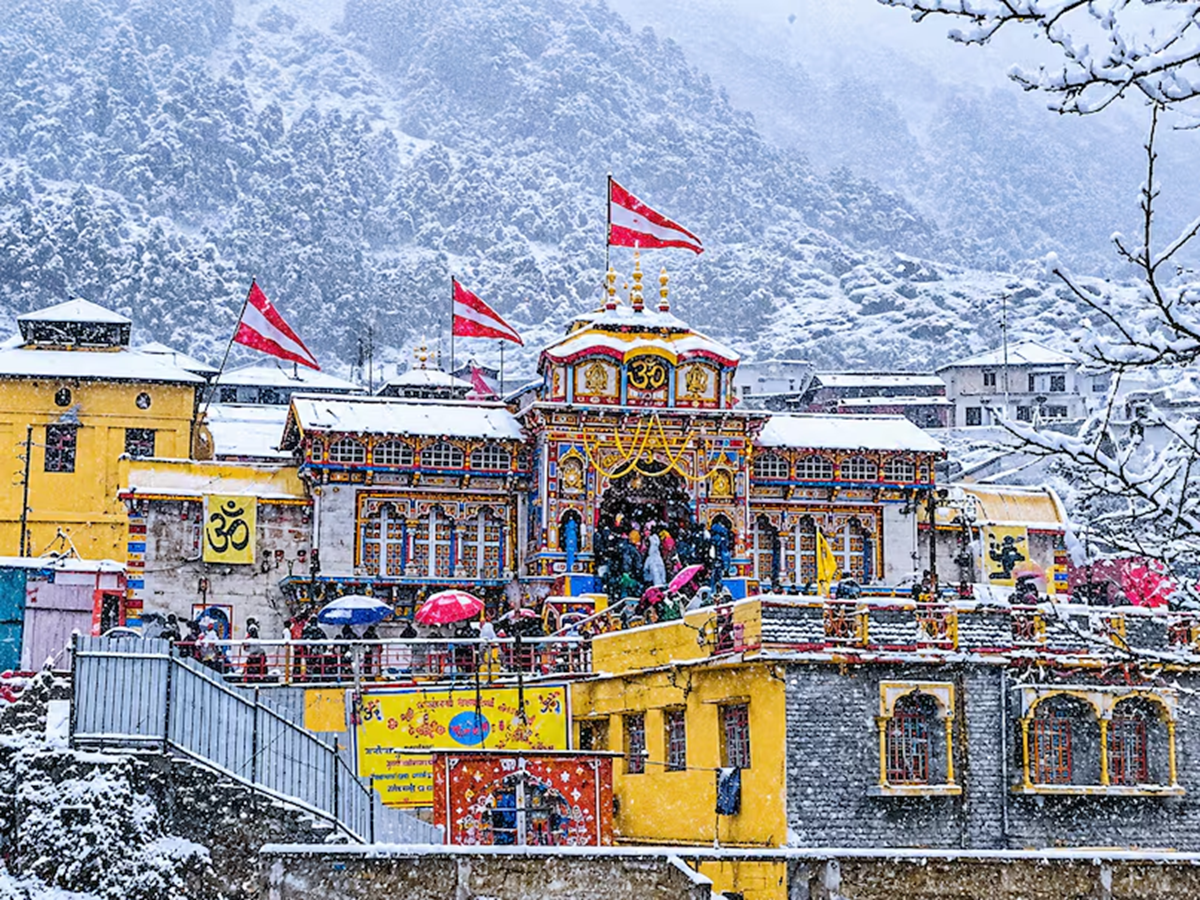
Following the closure of the portals of Badrinath Dham for the winter, the worship and *darshan* of Lord Badri Vishal for the next six months take place at the Narsingh Temple in Jyotirmath (Joshimath). This location serves as His winter residence for this period. Additionally, the *gaddi* (seat) of Adi Shankaracharya and the idol of Garuda are also housed here. It is believed that for these six months, the sage Narada Muni performs worship of the Lord within the *garbhagriha* (sanctum sanctorum) of Badrinath Dham.
PC Social Media