LIFESTYLE
Could your quest to build muscle lead to kidney disease? Find out when you should be concerned..

Among those who go to the gym, there is a growing trend of increasing protein intake to build muscle and stay fit. Many people incorporate eggs, paneer (cottage cheese), and chicken, as well as protein powders, into their diets for this purpose. Health experts advise that individuals should remain vigilant about their health when consuming protein powders to boost their protein intake.

Experts specifically warn against the use of protein powders that contain steroids. This raises the question: does going to the gym daily and consuming high amounts of protein put a strain on the kidneys? Let’s explore this in detail.
Health experts explain that healthy kidneys continuously filter waste products from the body. However, consuming excessive protein, engaging in strenuous exercise without adequate water intake, experiencing frequent dehydration, or having a pre-existing kidney condition can increase various health risks.
What is the impact of high protein intake on the kidneys?
The digestion of protein produces nitrogenous waste in the body, which the kidneys help excrete through urine. Consuming large amounts of protein increases the filtration workload on the kidneys. For individuals who already have chronic kidney disease, high protein intake can be particularly harmful.
Should those who go to the gym daily get their kidneys tested?
If you exercise regularly and follow a balanced diet, there is generally no need to be overly concerned about your kidney health. However, if you have diabetes, high blood pressure, obesity, or a history of kidney issues, you should undergo periodic check-ups as a precautionary measure.
Doctors can assess kidney filtration capacity by measuring serum creatinine levels and the estimated glomerular filtration rate (eGFR).
The urine albumin-to-creatinine ratio is used to determine the amount of albumin present in the urine.
What should those who take supplements keep in mind? Health experts state that not everyone needs to take protein powder; protein requirements can typically be met through a regular diet. If you are considering using protein supplements, be sure to carefully check their quality and the list of ingredients.
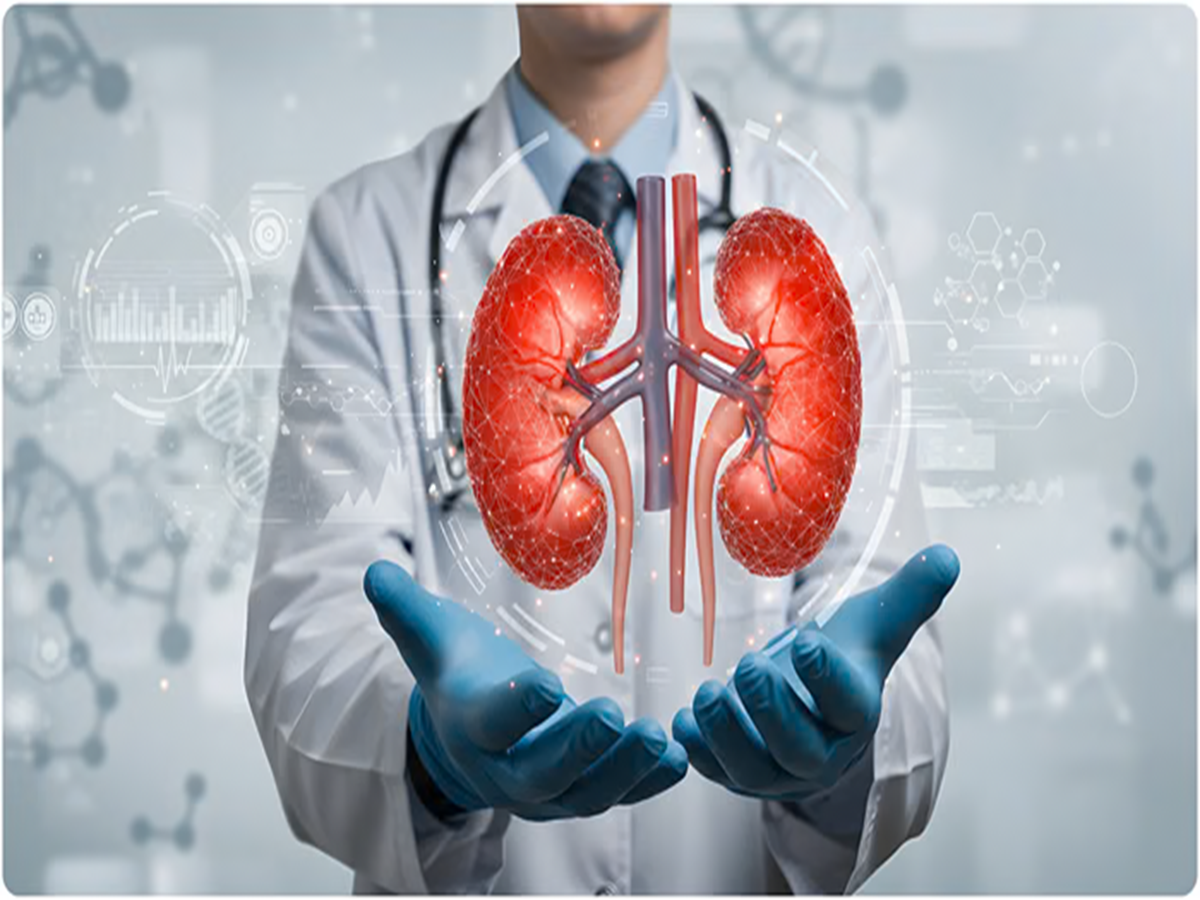
To keep your kidneys healthy and reduce the risk of disease, stay vigilant for any warning signs. If you notice symptoms such as swelling in your legs or face, persistent foaming in your urine, or blood in your urine, consult a doctor immediately.
PC Social Media