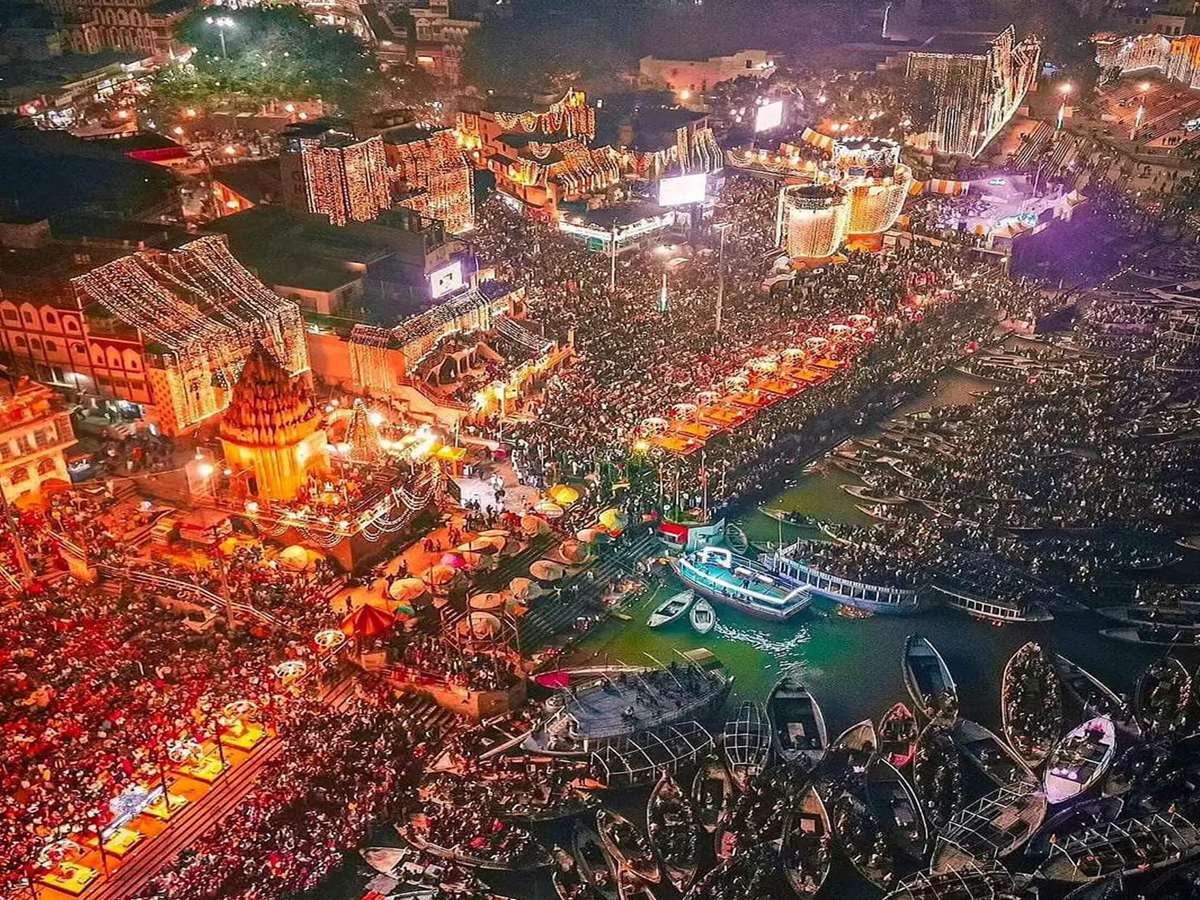
Dev Deepawali, celebrated in Varanasi, Uttar Pradesh, is one of the grandest and most renowned religious festivals in the country. Every year, on the occasion of Kartik Purnima, the ghats along the Ganges in Kashi (Varanasi) are illuminated by the light of hundreds of thousands of earthen lamps (diyas). Devotees and tourists from across the nation and abroad arrive in large numbers to witness this spectacular sight. The earthen lamps glowing along the banks of the Ganges, the chanting of mantras echoing in the temples, and the magnificent Ganga Aarti make this festival truly extraordinary.
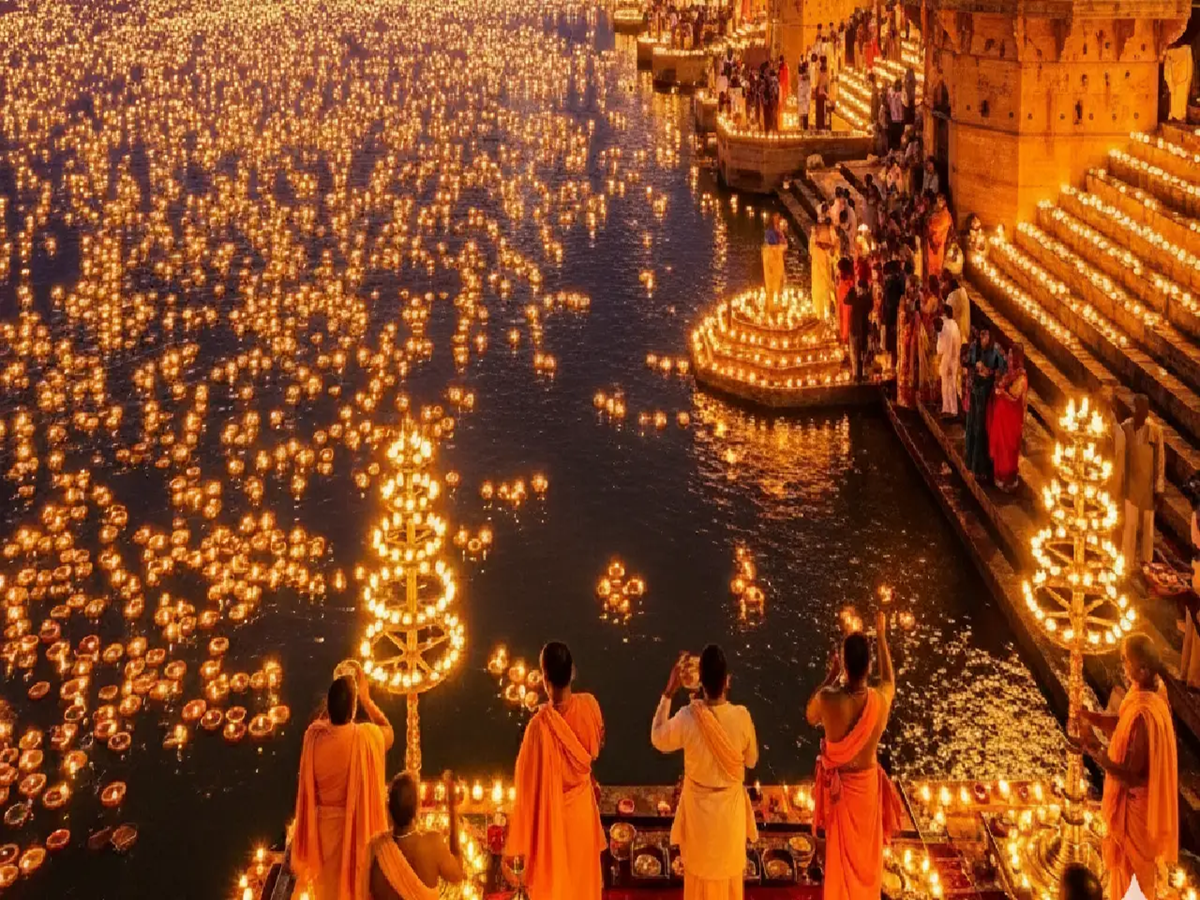
But do you know why Dev Deepawali is celebrated in Varanasi, and what mythological belief lies behind it? In essence, 'Dev Deepawali' translates to the 'Deepawali of the Deities.' According to religious tradition, on the day of Kartik Purnima, all the gods and goddesses descend from heaven to Earth to bathe in the sacred Ganges. It is in celebration of this event that lamps are lit along the ghats of Kashi.
Furthermore, this festival is also linked to Lord Shiva and his victory over the demon Tripurasura. Consequently, Dev Deepawali is not merely a festival of lights; it is a symbol of faith, devotion, and the triumph of good over evil.
Why is Dev Deepawali celebrated?
According to mythology, a demon named Tripurasura used his powers to torment the gods and the sages. Distressed by his atrocities, the gods sought assistance from Lord Shiva. Lord Shiva subsequently slew Tripurasura, liberating the gods from his reign of terror.
It is believed that to celebrate this victory of Lord Shiva, the gods lit lamps. For this reason, Kartik Purnima is also known as 'Tripurari Purnima,' and it is on this day that the tradition of celebrating Dev Deepawali is observed.
Why does Dev Deepawali hold such significance specifically in Varanasi?
Varanasi is known as the city of Lord Shiva and the city of *moksha* (liberation). According to religious belief, Lord Shiva himself resides in Kashi. Additionally, the river Ganges, which flows through this city, holds a place of profound importance within the Hindu faith. It is believed that on the day of Dev Deepawali, deities descend to Kashi to bathe in the Ganges. Driven by this faith, earthen lamps are lit all along the riverfront in Varanasi—from Assi Ghat to Raj Ghat. The sight of countless lamps illuminating both banks of the Ganges is a truly special experience for devotees.
How is Dev Deepawali celebrated?
From the morning of Dev Deepawali, crowds of devotees begin to gather at the *ghats* (riverfront steps) along the Ganges. People take a holy dip in the river and offer prayers. As evening approaches, earthen lamps are lit at the *ghats*, in temples, and in homes.
On this occasion, a grand *Ganga Aarti* is performed at major *ghats*, including Dashashwamedh Ghat. The entire city of Kashi becomes imbued with a spirit of devotion, filled with the sound of chanting and the blowing of conch shells, all amidst the glow of countless lamps. Many devotees take to boats on the Ganges to witness the breathtaking spectacle of the illuminated *ghats*.
What is the difference between Dev Deepawali and Diwali?
Diwali is celebrated on the *Amavasya* (new moon day) of the month of Kartik, whereas Dev Deepawali falls on *Kartik Purnima* (the full moon day of the same month)—a gap of approximately 15 days between the two festivals. While Diwali is associated with the return of Lord Rama to Ayodhya and the worship of Goddess Lakshmi, Dev Deepawali is primarily linked to the welcoming of the deities and the celebration of Lord Shiva’s victory.
PC Social Media