Parenting
Does your child make fun of you in front of friends? Don’t make this mistake when you’re angry..

Setting Boundaries With Kids: When children are young, they listen attentively to everything their parents say. However, as they grow older and begin to carve out a place for themselves within their circle of friends, their behavior often starts to change. Sometimes, they might mimic you in front of their friends, or try to get a laugh by making fun of your habits or the way you dress. It is only natural for parents to feel hurt in such situations; you might even feel a surge of anger and be tempted to scold your child right then and there, in front of everyone.

But consider this: what happens if you react in the heat of the moment and start shouting at your child? Instead of acknowledging their mistake, they might try to justify their actions to prove they are "right" in front of their friends. Teenagers, in particular, are highly conscious of the image they project to their peers. In such moments, a sharp reaction from a parent can often make the situation worse. According to parenting experts, an approach rooted in understanding—combined with a conversation held at the right time—is far more effective than reacting with anger. Let’s explore how you can handle the situation the next time your child makes fun of you in front of their friends.
How parents should approach this:
1. Don’t lose your temper in front of their friends—
When a child is among friends, they might act out—mimicking your voice or sharing private family matters—simply to grab attention or appear "funny." If you react with immediate outrage, a minor incident can quickly escalate into a full-blown argument, with the child potentially digging in their heels to defend their behavior in front of their peers.
What to do: Take a moment to compose yourself. Breathe deeply, and try to maintain a neutral expression rather than showing visible annoyance. If the matter isn't overly serious, avoid starting an argument right then and there. This also teaches the child that they have control over how they choose to respond to someone else’s behavior.
2. Explain the difference between a joke and an insult—in private.
It is important for children to understand that there are limits to humor. Laughing *with* someone is very different from laughing *at* someone to belittle them. The child might not even realize how much their words have hurt you. Therefore, instead of giving a long lecture in front of their friends, wait for the right moment.
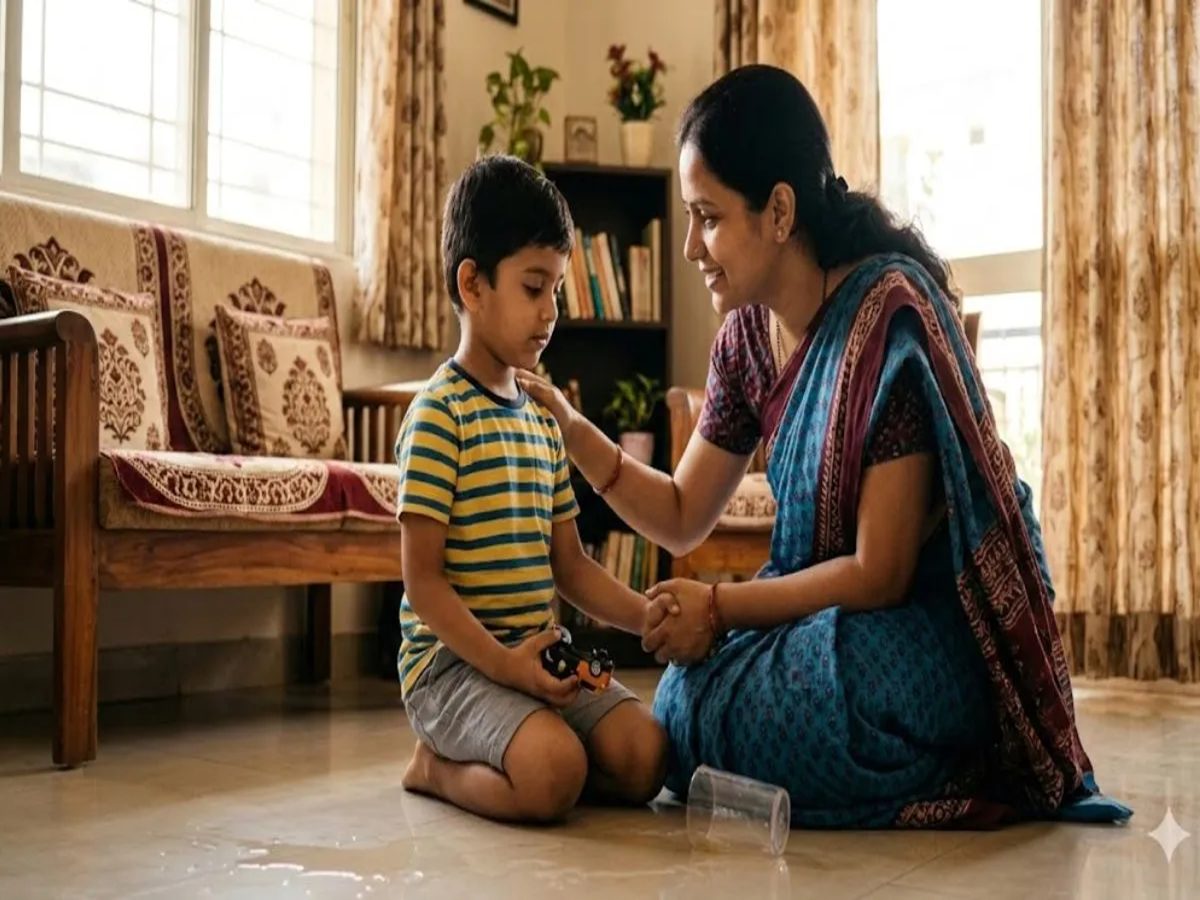
What to do: Once their friends have left and things have calmed down, talk to the child in private. Explain how their behavior made you feel. For example, you could say, "I don’t mind you making jokes, but it’s not okay to humiliate me in front of others." When talking, focus on the boundaries of acceptable behavior rather than labeling the child as "wrong." If this happens repeatedly, be clear about the pre-established rules and the consequences for breaking them.
3. Try to understand why the child is acting this way.
A child making fun of their parents isn't always a sign of disrespect. Especially during their teenage years, children often try to establish their own identity among their peers. Sometimes, they might say anything just to get a laugh, or they might make comments about their parents to mask their own feelings of discomfort. It is also possible that there is some underlying resentment regarding an issue at home.
What to do: Calmly ask the child why they acted that way, and listen to what they have to say without interrupting. During the conversation, you might discover something you hadn't noticed before. This doesn't mean you should ignore bad behavior; rather, it is important to understand the root cause so you can guide them in the right direction.
Maintaining mutual respect within the relationship is also essential.
It is natural for children to grow up and develop an identity of their own. During this phase, children may disagree with their parents, imitate them, or present themselves differently when in the company of friends. However, this does not mean that the boundaries of mutual respect should be disregarded. If parents choose to respond with patience and clarity rather than anger, children will gradually learn better ways to express themselves. Ultimately, the goal of parenting is not merely to earn respect from one’s child, but also to teach them how to respect others.
Disclaimer: This article offers general suggestions regarding parenting and child behavior. Every child has a unique temperament, age, and family environment; therefore, one should not draw conclusions about a child’s intentions or mental state based on a single instance of behavior. If a child’s disrespectful behavior persists or begins to negatively affect family relationships, it may be advisable to seek guidance from a child psychologist or a qualified counselor.
PC Social Media