LIFESTYLE
Eye Care: Avoid going out too much during a heatwave; you could fall victim to these 3 eye problems..

How Summer Heat Affects the Eyes: Many parts of the country are currently experiencing the brunt of severe summer heat. In Delhi-NCR, mercury levels have soared past the 45-degree mark. According to the Meteorological Department, the skies will continue to rain down fire—figuratively speaking—for the next week. During the summer, intense sunlight and hot winds can cause serious damage to the eyes. Prolonged exposure to the outdoors during a heatwave can rapidly exacerbate eye-related issues such as dryness, irritation, redness, and infections. According to doctors, the ultraviolet (UV) rays present in strong sunlight, along with hot winds, adversely affect the sensitive layers of the eyes.
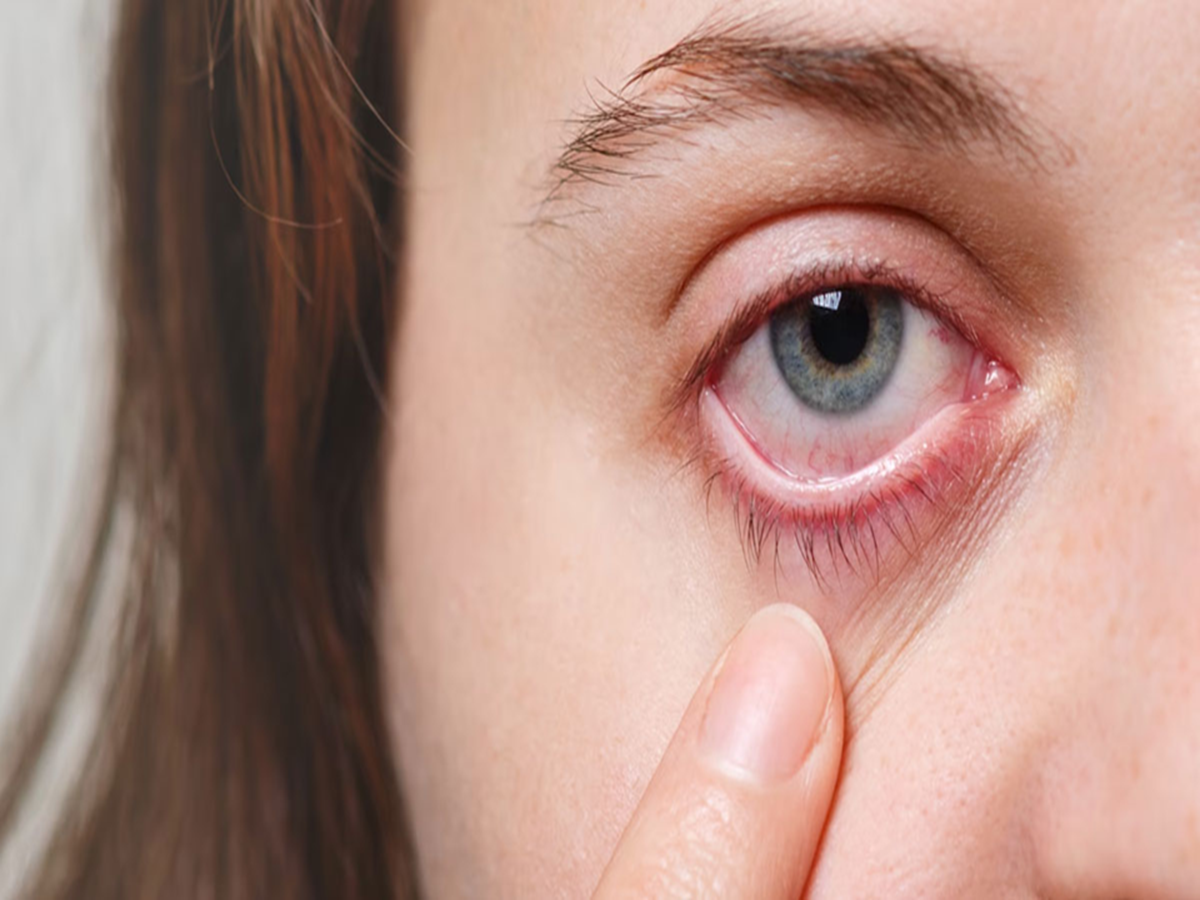
Dr. Tushar Grover, Medical Director and Refractive Surgeon at the Vision Eye Center in New Delhi, told News18 that summer heat and heatwaves cause the eyes to lose moisture rapidly. When the eyes fail to produce sufficient tears—or when tears evaporate too quickly—it can lead to Dry Eye Syndrome. Factors such as prolonged exposure to sunlight, inadequate water intake, excessive screen time, and spending extended periods in air-conditioned environments can aggravate this condition. Individuals suffering from this condition may experience symptoms such as eye irritation, a stinging sensation, itchiness, blurred vision, and redness. In some instances, the eyes may also begin to water excessively. If left untreated, this condition can lead to eye infections and complications involving the cornea.
According to Dr. Grover, the increased levels of dust, sweat, and pollution during the summer months significantly heighten the risk of eye allergies and infections. Bacteria and viruses tend to proliferate rapidly in hot and humid conditions, potentially leading to ailments such as conjunctivitis (commonly known as "eye flu"). Symptoms associated with eye flu may include redness, itchiness, swelling, excessive watering, and the discharge of a sticky substance from the eyes. Some individuals may also experience difficulty opening their eyes in bright light. Furthermore, repeatedly touching the eyes with unwashed hands can accelerate the spread of infection.
The expert emphasized that ultraviolet (UV) rays present in strong sunlight are considered highly detrimental to eye health. Spending prolonged periods in the sun without sunglasses can adversely affect the outer surface of the eyes. Continuous exposure to UV radiation may also increase the future risk of developing cataracts and retinal disorders. Individuals who work outdoors extensively, motorcyclists, children, and the elderly are particularly susceptible to these risks. Therefore, it is crucial to protect the eyes from direct sunlight.
The question now arises: what steps should be taken to safeguard the eyes during the summer season? Dr. Grover advises that to protect your eyes during the summer, you should always wear sunglasses with UV protection whenever stepping outdoors. Avoid venturing out into the intense sunlight between 12:00 PM and 4:00 PM. Drink plenty of water to keep your body hydrated, and refrain from frequently touching your eyes with your hands. Washing your eyes with clean water after returning indoors can also be beneficial. Staring at mobile phone or laptop screens for extended periods can also strain the eyes; therefore, it is essential to give your eyes periodic breaks. If you experience severe eye pain, persistent redness, swelling, blurred vision, or extreme sensitivity to light, you should consult an eye specialist immediately.
PC Social Media