FASHION
From Turmeric and Gram Flour to 'Hybrid Beauty': How the Meaning of Beauty Has Transformed for Indian Women..
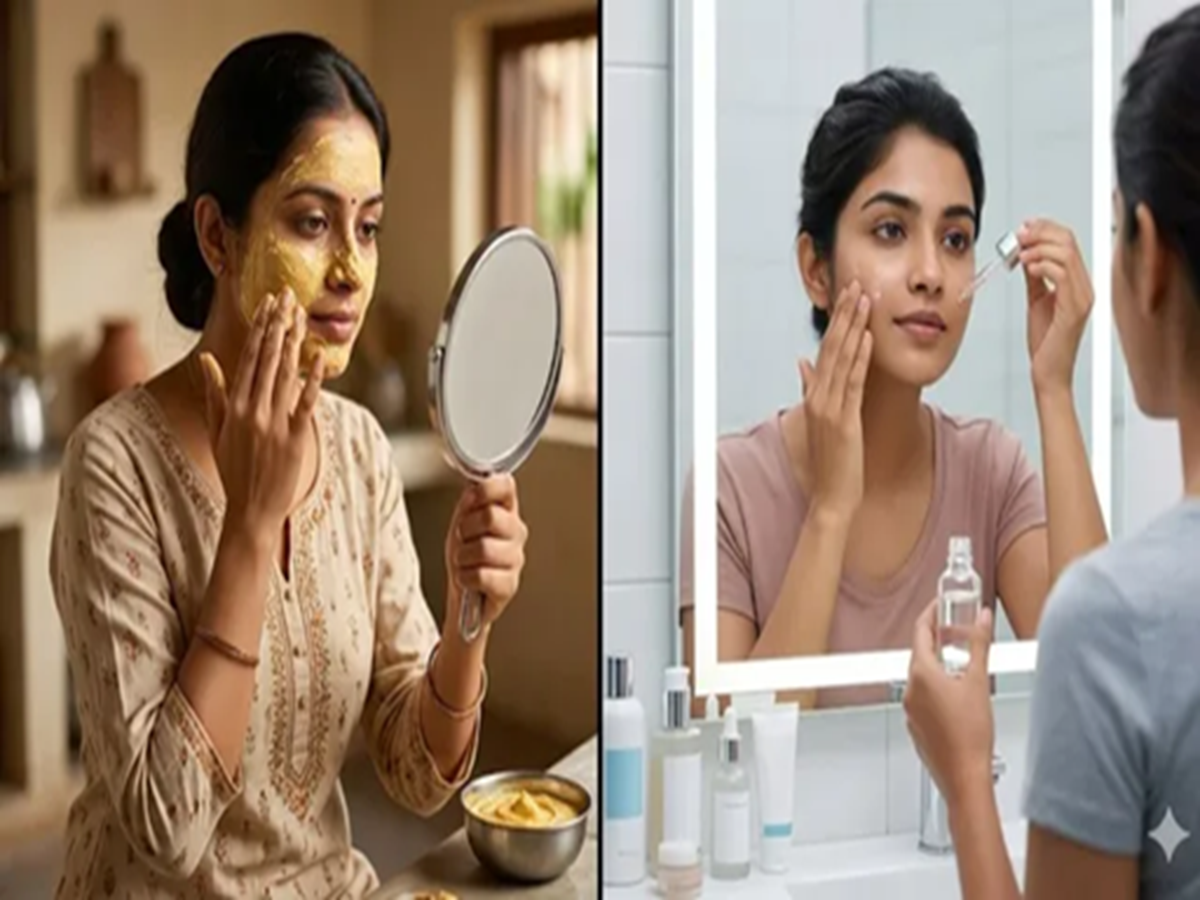
In India, the approach to grooming and self-care among women has undergone a complete transformation over time. While in the past, natural and home-based remedies were the primary means of enhancing beauty, today they have evolved into a multi-billion-dollar industry.
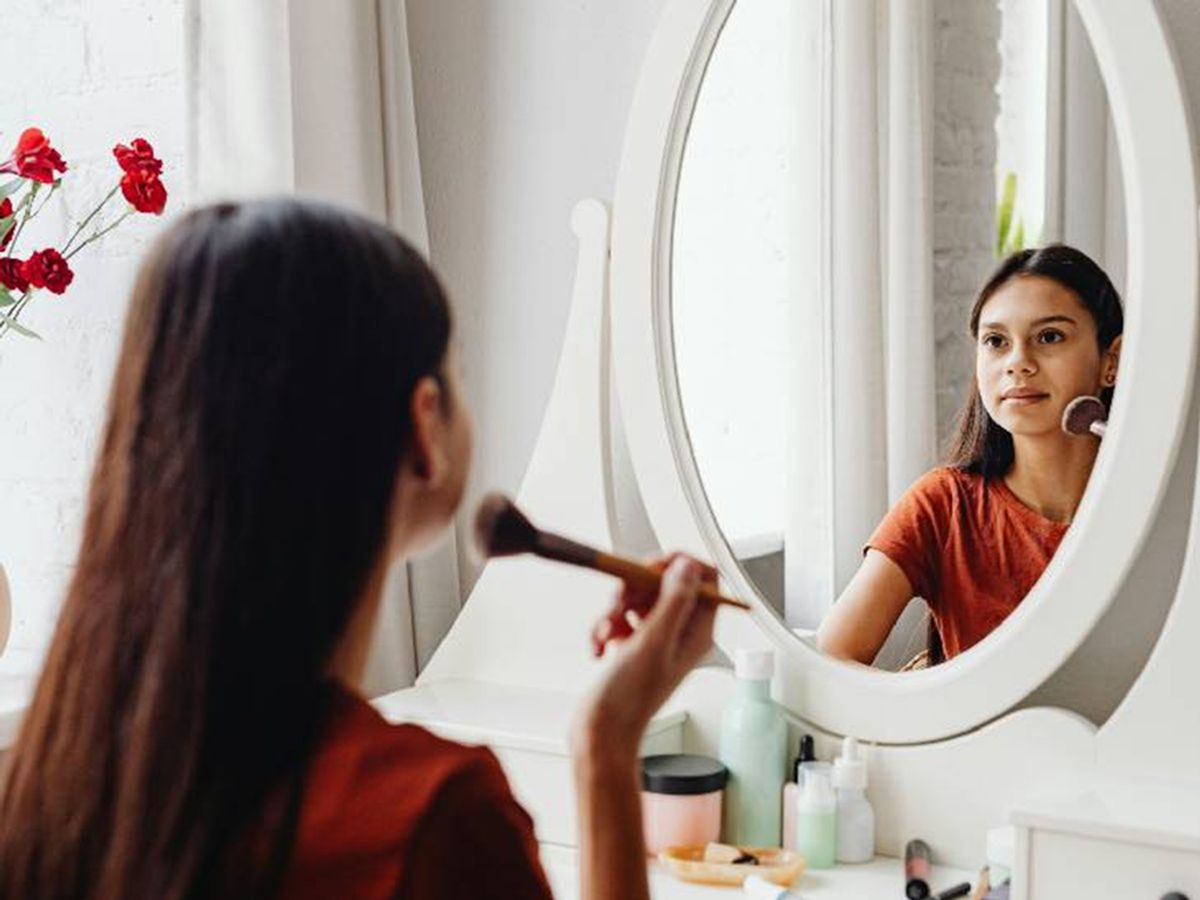
Previously, beauty was simply synonymous with applying home remedies or dressing up for a special occasion; however, in the modern era, it is no longer limited merely to grooming. It has become an integral part of one's self-confidence, lifestyle, self-care routine, social media presence, and personal identity.
**The Journey from Traditional Remedies to Hybrid Beauty**
Over the past two decades, Indian beauty culture has witnessed a monumental shift. There was a time when the beauty industry's primary promise was simply to make one look fairer; however, women today prioritize factors such as skin health, radiance, sun protection, hydration, and anti-aging benefits.
Nowadays, before making a purchase, women want to be well-informed about the active ingredients contained in a product and the specific effects they will have on their skin. Particularly since the onset of the COVID-19 pandemic, there has been a rapid surge in the "skin-first" approach and "skin minimalism"—the practice of using fewer, yet highly effective, products. Consequently, "hybrid beauty" has gained significant popularity in recent times.
This concept entails using products that serve a dual purpose—functioning as both makeup and skincare simultaneously—such as foundations infused with SPF, concealers enriched with serums, or moisturizer-primer combinations.
**How Have the Standards of Beauty Evolved?**
We can easily trace this evolution on the dressing tables of Indian women by examining the trends across different decades:
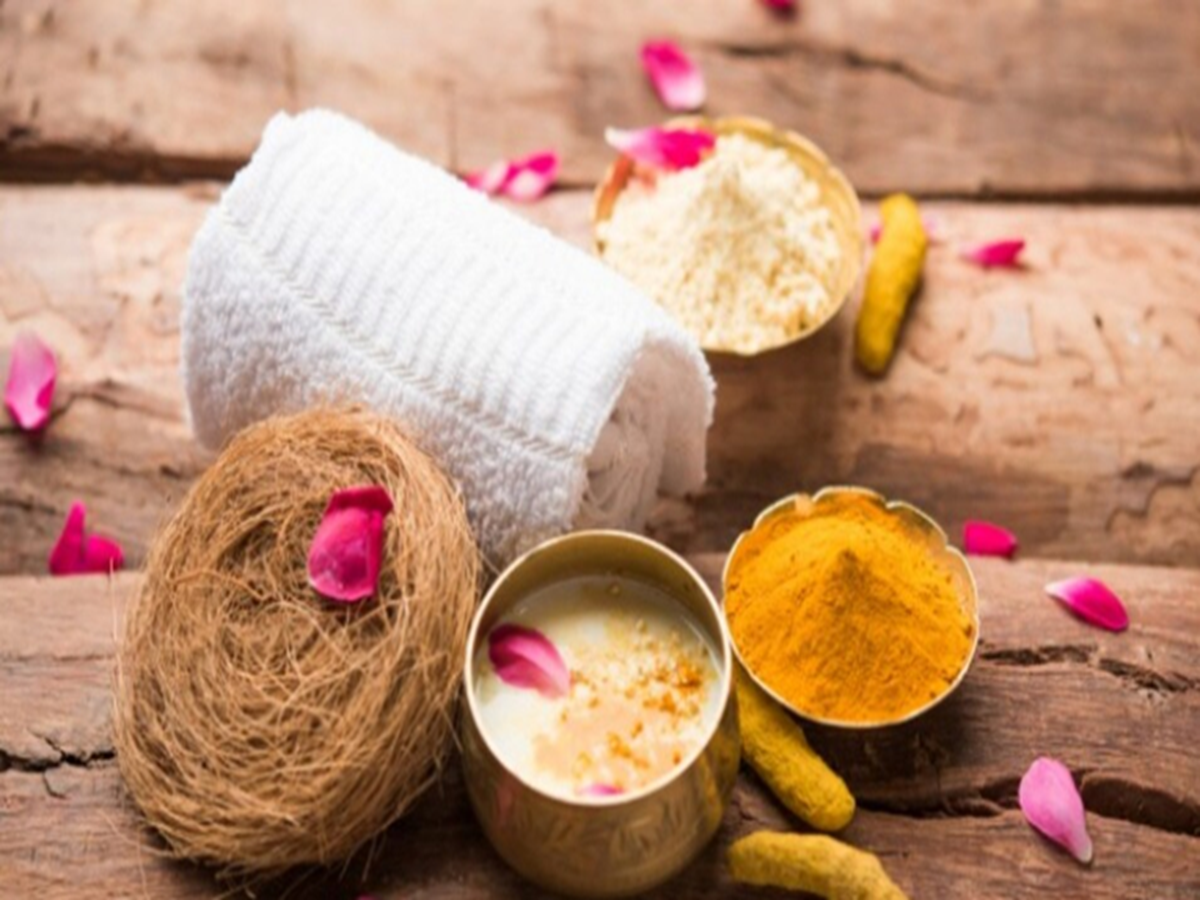
**The 1950s–60s Era:** During this period, beauty care was synonymous with ingredients like *besan* (gram flour), *malai* (milk cream), turmeric, rose water, and coconut oil. Dressing tables typically featured nothing more than talcum powder, *kajal* (kohl), and *sindoor* (vermilion); furthermore, the application of makeup was strictly limited to weddings or other special occasions.
**The 1960s–80s Era:** This period witnessed a growing demand for hairstyles and vibrant makeup looks inspired by the leading actresses of the film industry. Colored lipsticks, nail polishes, and compact powders came into vogue. Fair skin began to be regarded as the epitome of beauty, leading to a rapid expansion of the market for fairness creams.
The 1990s—Following economic liberalization, international brands made their entry into India. Women gained access to a wider array of options, including lipsticks in various shades, foundations, and hair colors. Fashion magazines and television commercials popularized glamorous looks in households across the country.
The 2000s—During this era, amenities such as facials, hair spas, and advanced skin treatments became commonplace, even reaching smaller towns. Even young girls began to regularly incorporate beauty products into their routines.
The Post-2010 Era—Social media influencers completely transformed beauty trends. Terms such as the "no-makeup makeup look," Korean skincare, sunscreen, retinol, niacinamide, and "clean beauty" have now become an integral part of women's daily lives.
**A Fivefold Increase in Spending and Evolving Mindsets**
The most significant shift in women's mindset today revolves around skin health. Social media and Korean beauty trends have profoundly influenced consumer preferences. Consequently, while a woman's dressing table might have previously displayed only 4 or 5 products, it has now become entirely commonplace to find anywhere between 20 and 30 products occupying that space.
There has also been a massive surge in expenditure on beauty and personal care products. Over the past decade, the share of skincare, haircare, and cosmetics within a family's monthly budget has consistently risen. According to statistics, the average monthly expenditure per woman on beauty and personal care has increased fivefold over the last ten years.
**The Rapidly Surging Indian Beauty Market**
A glance at the available statistics and reports reveals that the Indian beauty and personal care market is advancing at an exceptionally rapid pace. In 2025, the total size of this market stood at approximately ₹2 lakh crore, a figure projected to surge to over ₹4 lakh crore by 2030. Consequently, within the next 3 to 4 years, India is set to emerge as the world's fourth-largest market for beauty and personal care products.
How is the purchasing landscape evolving?
Today's consumer is far more aware and discerning than ever before—a shift clearly reflected in the following statistics:
85% of consumers now pay close attention to the ingredients used in beauty products before making a purchase.
48% of people are influenced by the recommendations of social media influencers when making purchasing decisions.
55% of consumers are particularly drawn to collagen-based products.
46% of people show a distinct preference for beauty products that contain hyaluronic acid.
PC Social Media