LIFESTYLE
Government issues notification: No syrup will be available without a prescription; a doctor's note is mandatory..
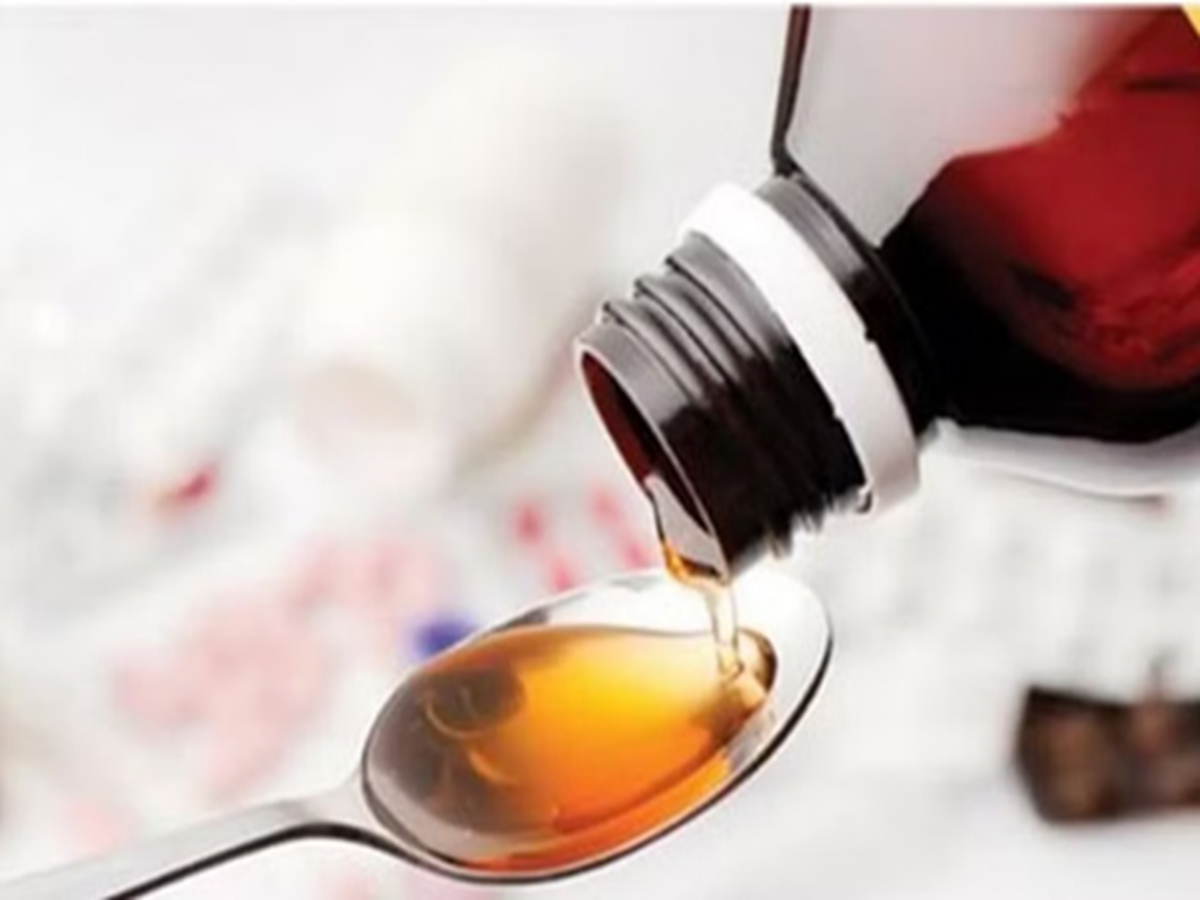
Reports of children dying after consuming cough syrup in Chhindwara (Madhya Pradesh) and Rajasthan last October caused significant alarm. Several children had died from kidney failure linked to the consumption of the medicine. Following this, the Directorate General of Health Services (DGHS) issued an advisory regarding the rational use of cough syrups for treating children. Investigations revealed that the level of diethylene glycol (DEG) in the syrup exceeded 48%, whereas the permissible limit is only 0.1%.

The central government has now taken strict action in this regard. On Tuesday (June 16), the Union Ministry of Health and Family Welfare issued a notification mandating that cough syrups and other syrup-based medicines will no longer be available without a doctor's prescription. A medical prescription will now be required to purchase such medicines.
This change follows an amendment made by the government to the 'Drugs Rules, 1945' via the 'Drugs (Fifth Amendment) Rules, 2026'. This amendment was notified in the official gazette on June 9.
What does the new notification say?
The government has amended the 'Drugs Rules, 1945'. Under this amendment, syrups have been removed from the list of medicines exempted under 'Schedule K'. 'Schedule K' covers medicines that are granted exemptions from certain regulations regarding their manufacture and sale.
This change effectively bans the 'over-the-counter' sale (sale without a doctor's prescription) of syrup-based medicines. The move comes amidst growing concerns regarding the safety of cough syrups and oral liquid medicines, as well as increased regulatory scrutiny over them. The notification states, "Under the Drugs (Fifth Amendment) Rules, 2026 (which will come into effect immediately upon publication in the Official Gazette), the sale of syrups (including widely used cough syrups) without a doctor's prescription has been prohibited." After reviewing objections and suggestions, the Central Government approved this change in consultation with the Drugs Technical Advisory Board (DTAB).
What transpired following the contaminated cough syrup controversy?
In early October, reports emerged regarding the deaths of several children in Madhya Pradesh. Initial suspicion fell on 'Coldriff' syrup, which was being used to treat the children's coughs. This cough syrup was manufactured by Srison Pharmaceuticals, based in Kanchipuram, Tamil Nadu.
Sample tests of the cough syrup confirmed a diethylene glycol content of 48.6 percent, far exceeding permissible limits.
Several states began banning the cough syrup.
The government has now not only completely revoked the manufacturing license of Srison Pharmaceuticals—the company that produced the adulterated 'Coldriff' syrup in Tamil Nadu—but has also ordered the company to shut down operations.
Subsequently, in November, reports of cough syrup smuggling surfaced from Varanasi. The Uttar Pradesh Food and Drug Department registered cases against 12 pharmaceutical firms in Varanasi for smuggling codeine-based cough syrups. Before this, cases had already been registered against 26 other firms.
PC Social Media