LIFESTYLE
Health Talk: Fitness enthusiasts are getting hooked on 'rucking'—what are the benefits of this exercise?
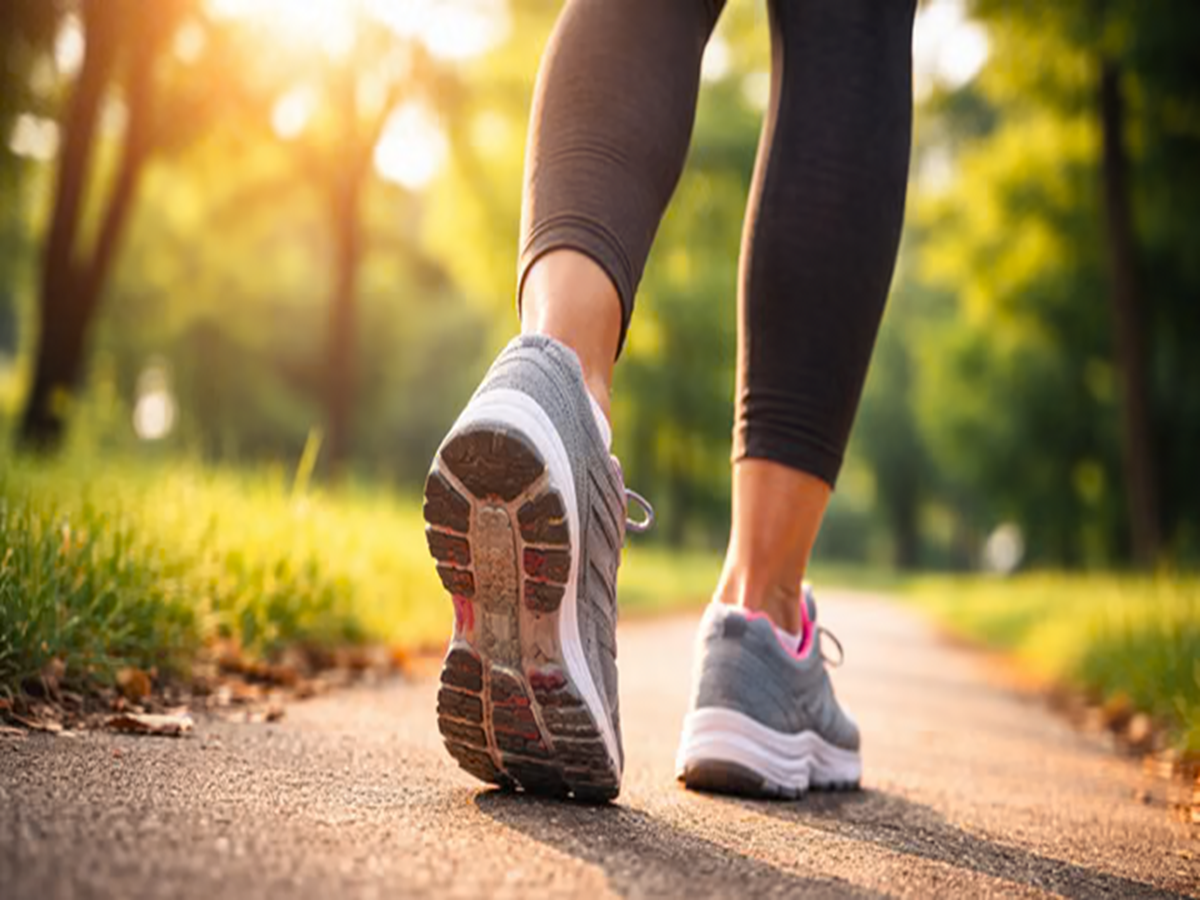
Staying fit doesn’t necessarily require spending hours sweating in a gym. Sometimes, your everyday walk can open up a new path to fitness—it just requires a slight change in your approach. "Rucking"—walking while carrying a weighted backpack—is one such method. It forces your body to work harder than it would during a regular walk, engaging your muscles more effectively.
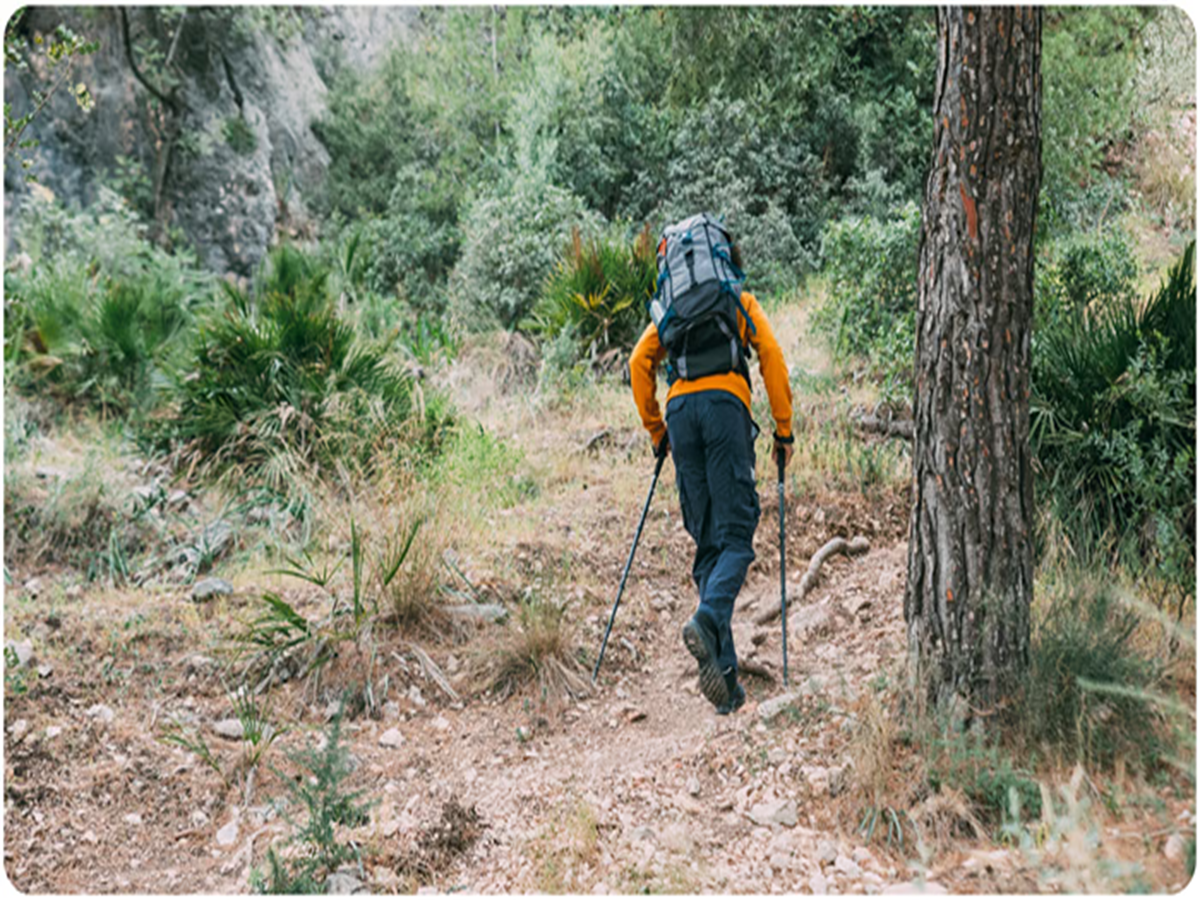
This is why rucking is gaining popularity among fitness enthusiasts. However, to reap the benefits safely, it is crucial to use the right technique, keep the weight manageable, and remain mindful of your body’s physical limits.
Understanding Rucking
Rucking is a form of walking exercise that involves carrying a backpack on your back. Unlike regular walking, where there is no extra load on the body, rucking requires you to walk while bearing the weight of the pack.
This increases the physical effort required, placing additional demand on the muscles in your legs, hips, and torso.
Consequently, rucking burns more calories than standard walking.
A key advantage of rucking is that it can be done anywhere—in a park, an open field, or on a safe walking track—without the need for expensive gym equipment.
The amount of weight you carry and the duration of your walk should always be tailored to your individual age, fitness level, and physical capacity.
Benefits: From Calorie Burning to Boosting Stamina
If you have issues with your neck, back, joints, or pelvic floor, or if you are pregnant, consult a doctor before starting to ruck. Additionally, if you have been dealing with a long-term illness, have not been physically active, or have previously experienced an injury or accident, seeking medical advice is essential.
Even if you are following all the right steps, stop immediately if you experience pain in your back, legs, or shoulders—beyond the normal sensation of muscle strain. Increasing distance or weight while ignoring pain can raise the risk of injury.
Start with a lighter load
A common mistake when beginning "rucking" (walking with a weighted backpack) is carrying too much weight. Start by walking for only 10–15 minutes with a light backpack. Once your body feels comfortable, you can gradually increase both the duration and the weight—but avoid increasing both at the same time.
Choose a backpack that fits your back well and stays secure while you move. Keep the weight balanced to ensure your posture remains correct. While walking, keep your head upright, shoulders relaxed, and your back in a natural, neutral position. Begin on flat terrain and allow your body sufficient time to rest.
Benefits for the body
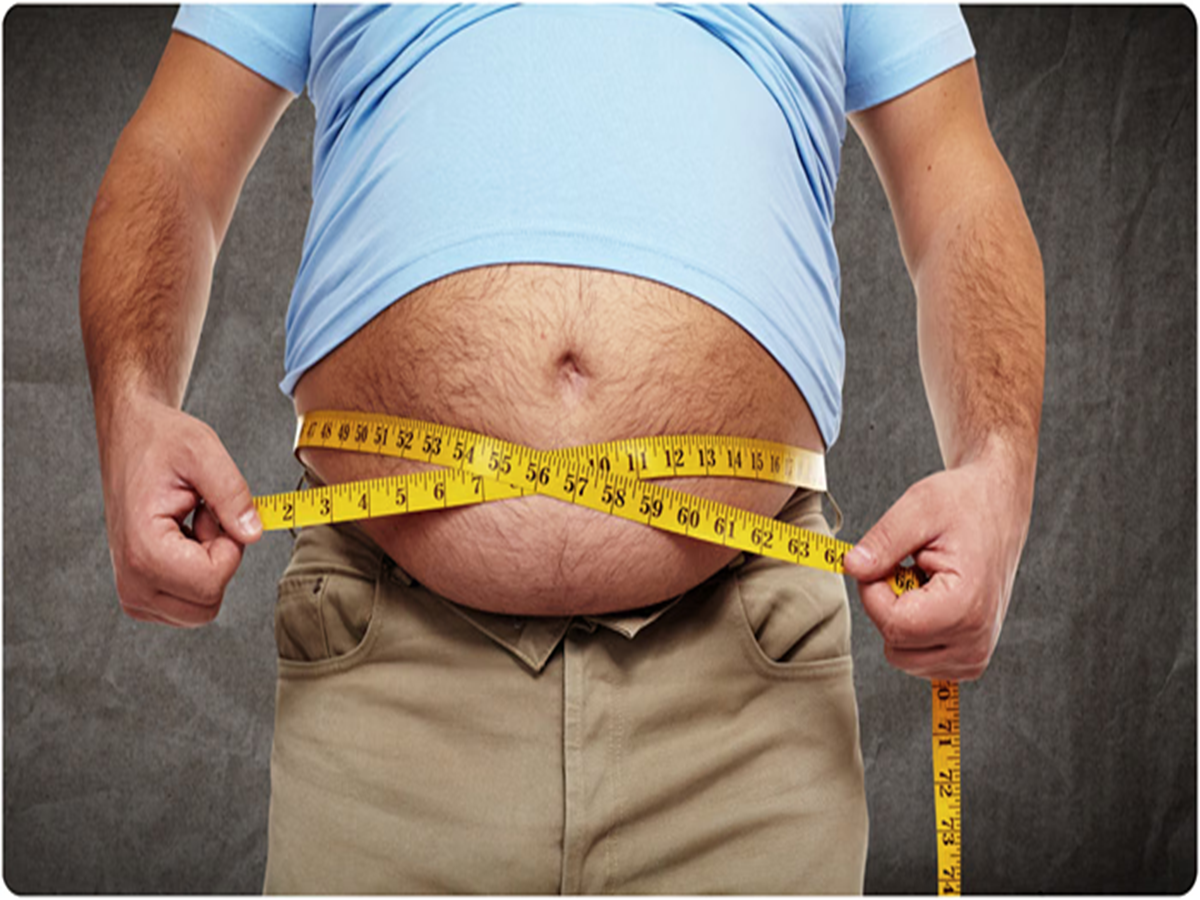
Rucking is an effective way to burn calories and support weight loss. It strengthens the muscles in your legs, back, shoulders, thighs, and core.
Regular practice improves body balance.
It helps enhance heart and lung capacity, maintain bone density, and boost metabolism.
Furthermore, when performed with proper technique, rucking increases overall physical strength.
Expert advice
Fitness expert Dr. Amit Agrawal explains that the goal of rucking is not just to carry weight, but to build a fit and strong body. Individuals experiencing pain in the neck, lower back, or knees should consult a professional before starting. Begin gradually, and never ignore pain; sudden, excessive activity can lead to muscle or joint injuries. Consistent rucking, combined with a balanced diet, helps in managing weight, improving cardiovascular health, increasing respiratory capacity, and making daily tasks easier to perform.
PC Social Media