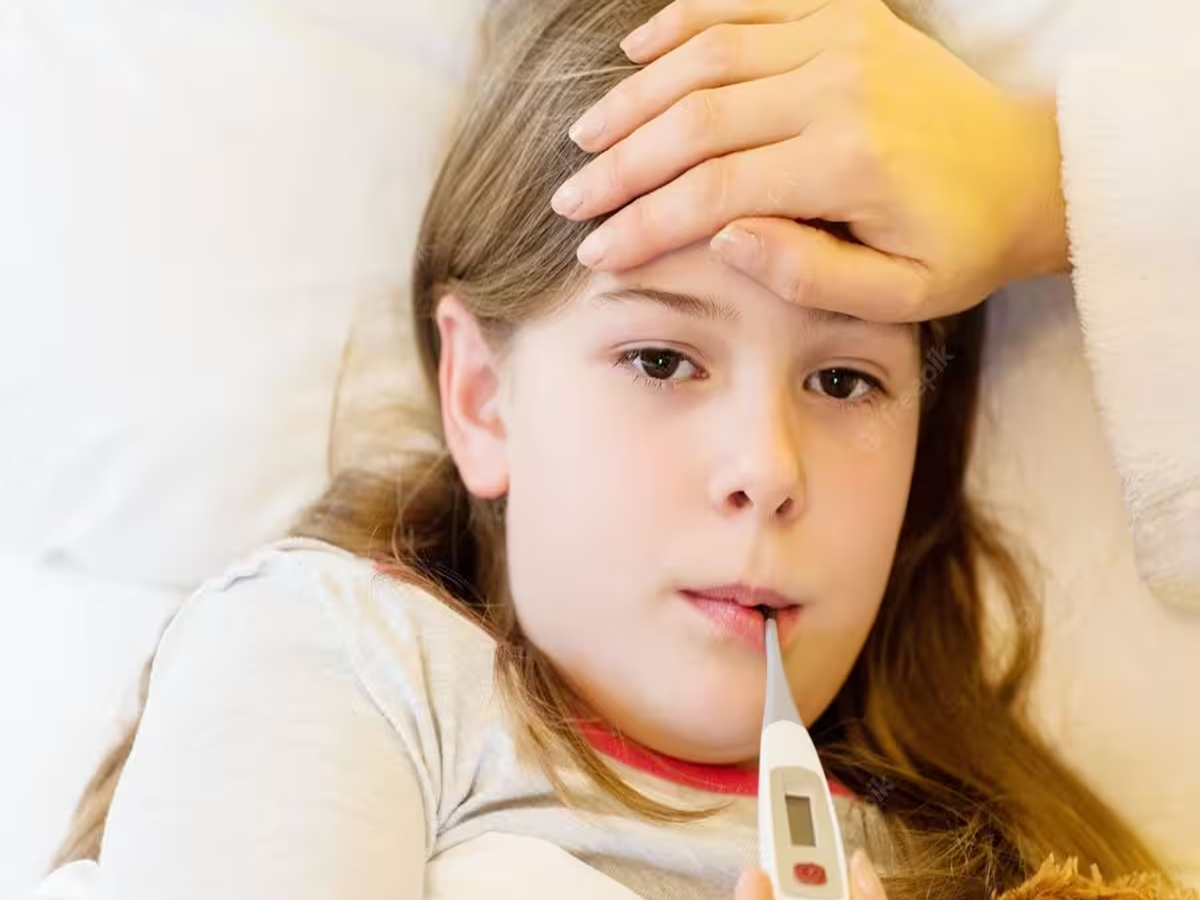
How to Reduce Fever: A high fever can be a cause for concern for anyone. Especially when the fever spikes suddenly, people often turn to various home remedies, seeking immediate relief. However, instead of panicking, it is important to understand what precautions to take and which mistakes to avoid during a fever. Being well-informed allows you to properly care for your loved ones. So, let’s look at the necessary information without delay.
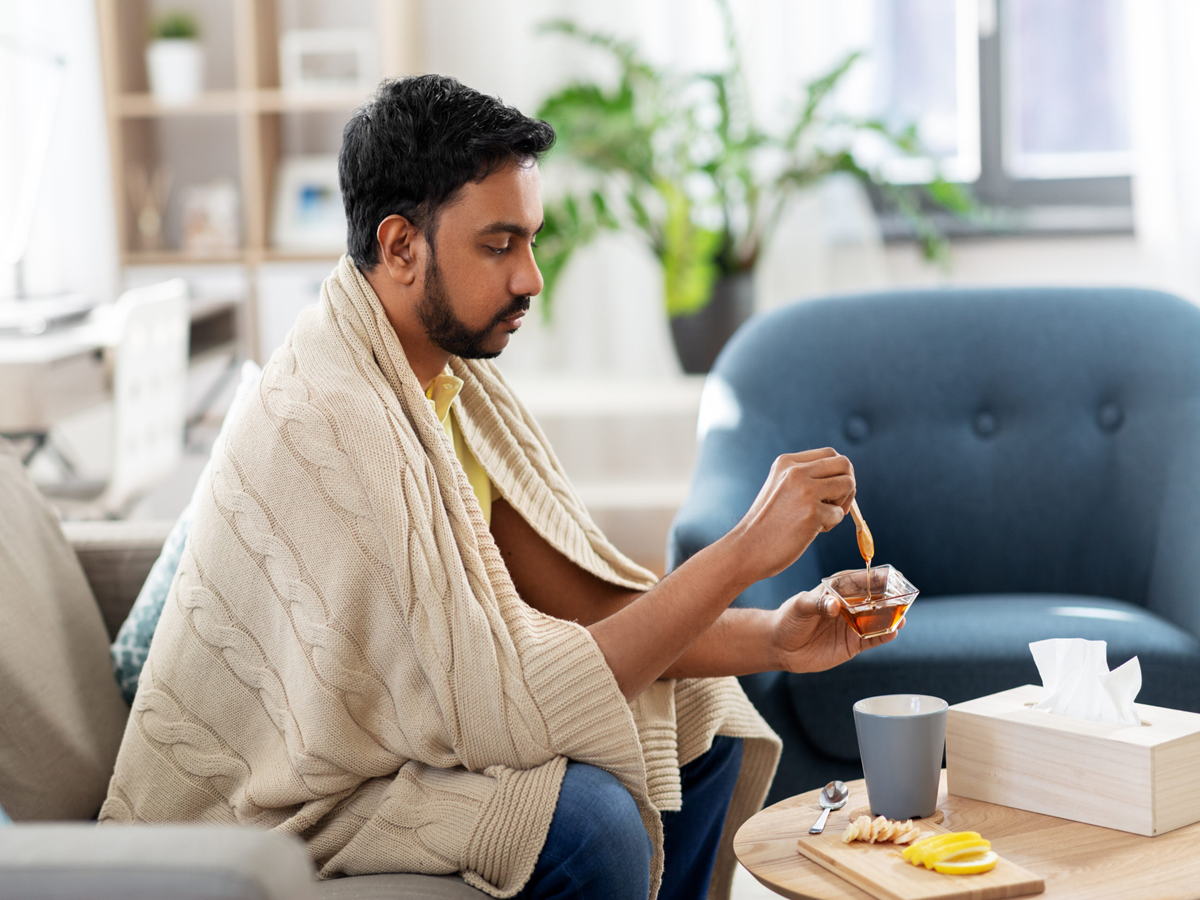
What to do during a high fever?
Allow the person to rest and ensure they drink plenty of water, as fever can lead to dehydration.
Dress them in light, comfortable clothing; wrapping them in too many layers or heavy blankets can trap body heat and raise the temperature further.
Maintain a comfortable room temperature and ensure adequate ventilation.
If the person feels uncomfortable, you can gently sponge their body with room-temperature or lukewarm water. Do not use very cold water or ice.
If they have an appetite, offer light, easily digestible food; there is no need to force-feed them.
Before administering fever medication, consider the person's age, health condition, and any existing medications. Always use medication according to the label instructions or a doctor's advice.
Can you use cold water compresses?
Yes, you can use compresses for a high fever, but do so correctly:
Soak a clean cloth in room-temperature or lukewarm water and place it on the forehead.
Do not soak the cloth in very cold or ice water, as this can cause shivering and increase discomfort.
Re-wet the cloth if it becomes warm.
Do not use cold compresses if the patient feels cold or is shivering.
Remember, compresses do not treat the underlying cause of the fever; they only help provide relief.
When should you contact a doctor immediately?
Consult a doctor if the fever is very high, continues to rise, or persists for several days. Seek immediate medical attention if you experience symptoms such as difficulty breathing, chest pain, confusion or loss of consciousness, a stiff neck, persistent vomiting, severe weakness, or dehydration. It is advisable to consult a doctor promptly regarding fever in young children, the elderly, pregnant women, or individuals with a compromised immune system.

What should be avoided?
During a fever, avoid alcohol, excessive caffeine, and overheating the body. Do not start taking antibiotics without consulting a doctor, as not all fevers are caused by bacterial infections.
PC Social Media