Food & recipe
Is the Watermelon Natural or Injected? Use These Methods to Detect Adulteration in Just 2 Minutes..
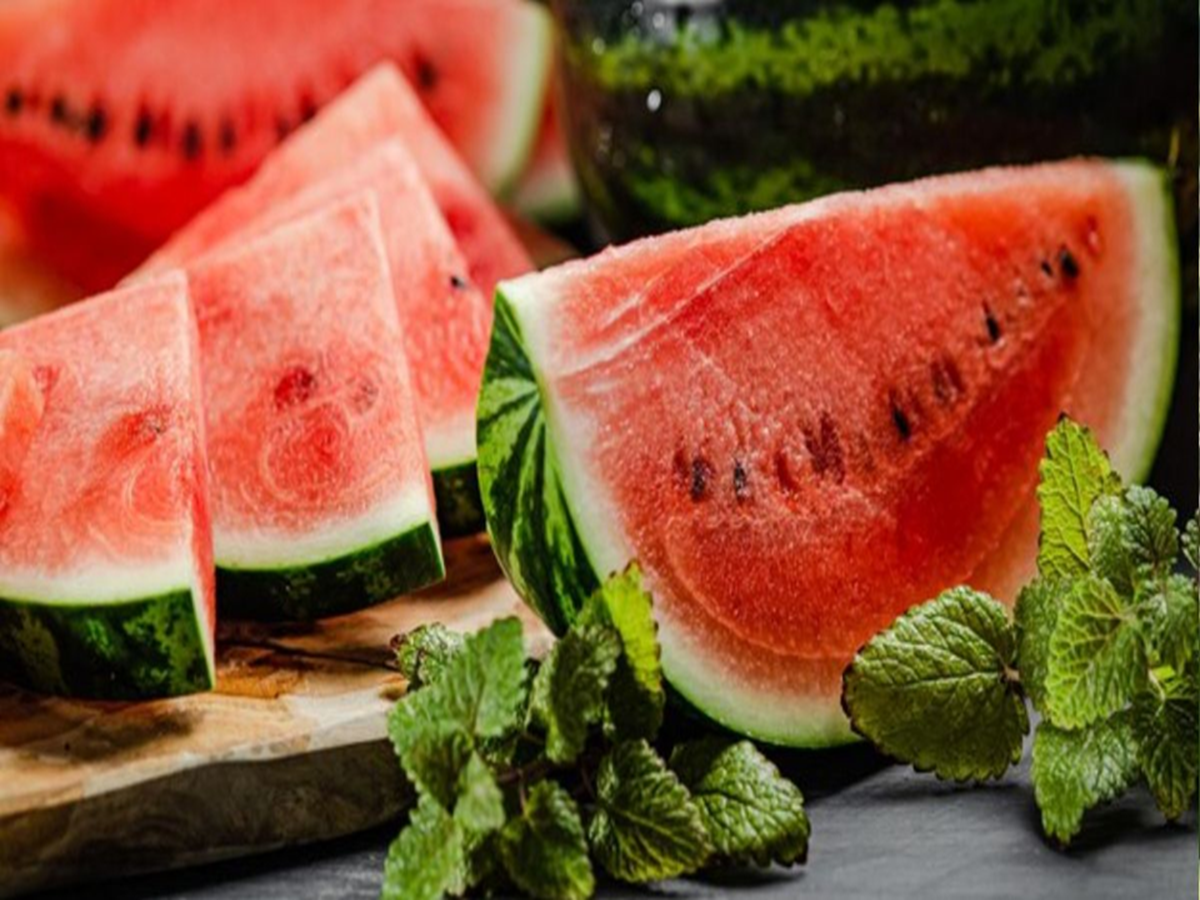
In the scorching heat, nothing feels better than a watermelon; however, not every watermelon sold in the market is beneficial for your health.
In their pursuit of profit, many vendors use dangerous chemicals—such as calcium carbide or erythrosine—to ripen watermelons prematurely. Such watermelons act as poison for your health, but you can identify these chemically ripened fruits using a few simple tips. Let's find out how.
**The Tissue Paper Test**
Cut a slice of the watermelon and rub a clean, white tissue paper against the pulp. If the tissue acquires a deep red or pink stain, it indicates that artificial coloring has been added. The natural color of a watermelon does not transfer onto a tissue in this manner.
**The Water Test**
Take a small piece of the watermelon and drop it into a glass of water. If the water immediately begins to turn deep red or pink, the fruit is adulterated. The juice of a naturally ripened watermelon does not dissolve in water this quickly or produce such an intense color.
**Check for the Field Spot**
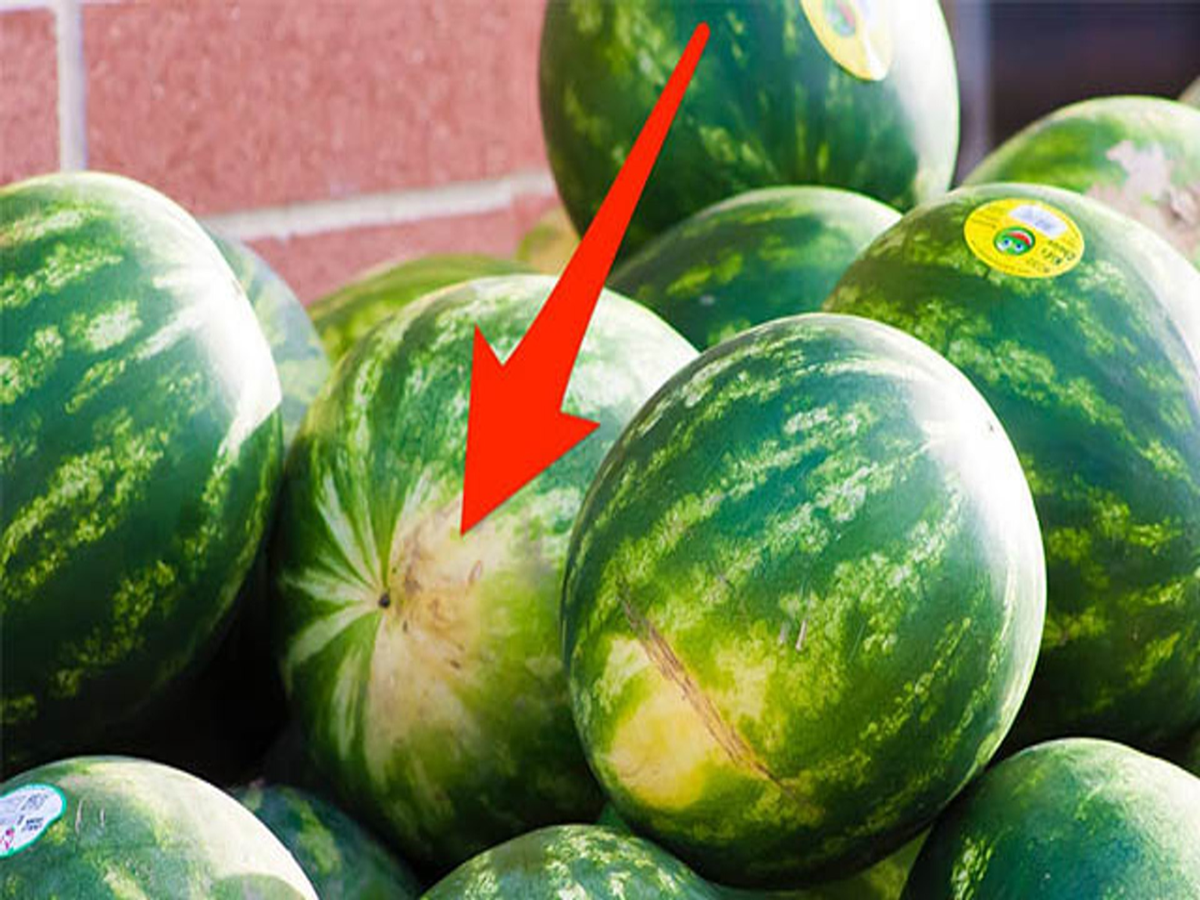
A naturally ripened watermelon typically appears somewhat dull or dark green on the outside. The most crucial identifying feature is the "field spot"—the area where the watermelon rested on the ground. If this spot is pale yellow, the watermelon has ripened naturally. If the entire watermelon appears uniformly glossy and lacks any yellow patches, assume that it may have been artificially enhanced with chemicals.
**Seed Texture**
The seeds of a naturally ripened watermelon are dark black or brown and fully developed. If the watermelon appears intensely red on the inside but its seeds are white, pale, or underdeveloped, it implies that it has been artificially reddened—likely through chemical injections.
**Luster and Texture**
If, upon cutting, the watermelon appears excessively glossy and shows no variation in color anywhere within its flesh, it may have been ripened using chemicals. In a naturally ripened watermelon, the color may appear slightly uneven.
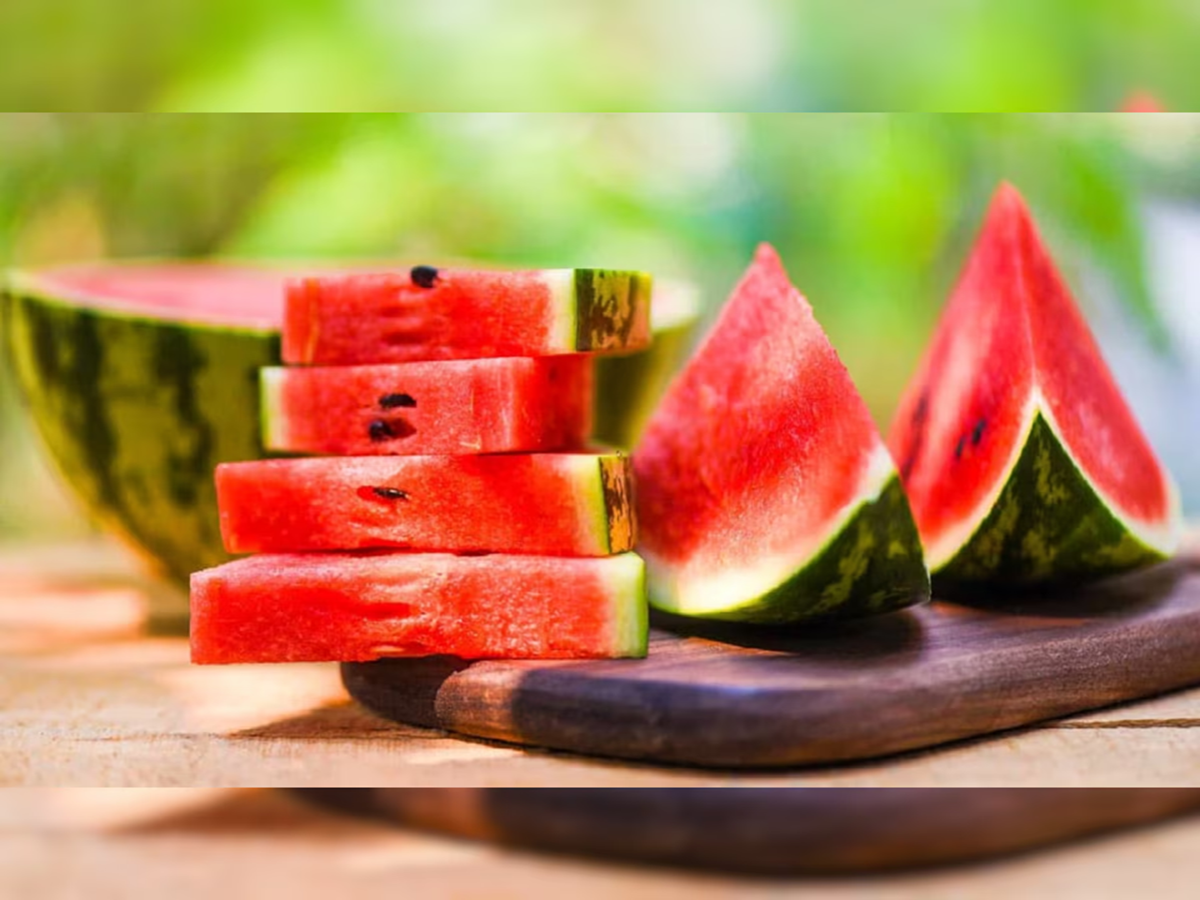
**How Do Chemically Treated Watermelons Harm Your Health?**
Digestive System Disorders—Consuming chemically treated fruits can lead to severe abdominal pain, vomiting, diarrhea, and food poisoning.
Impact on Kidneys and Liver—These two organs in our body are responsible for filtering toxins from the blood. Exposure to chemicals can damage liver cells and, over the long term, lead to kidney failure.
PC Social Media