Food & recipe
Kamal Kakdi Sabzi Recipe: How to make a spicy, flavorful dish using lotus stem—learn the method..
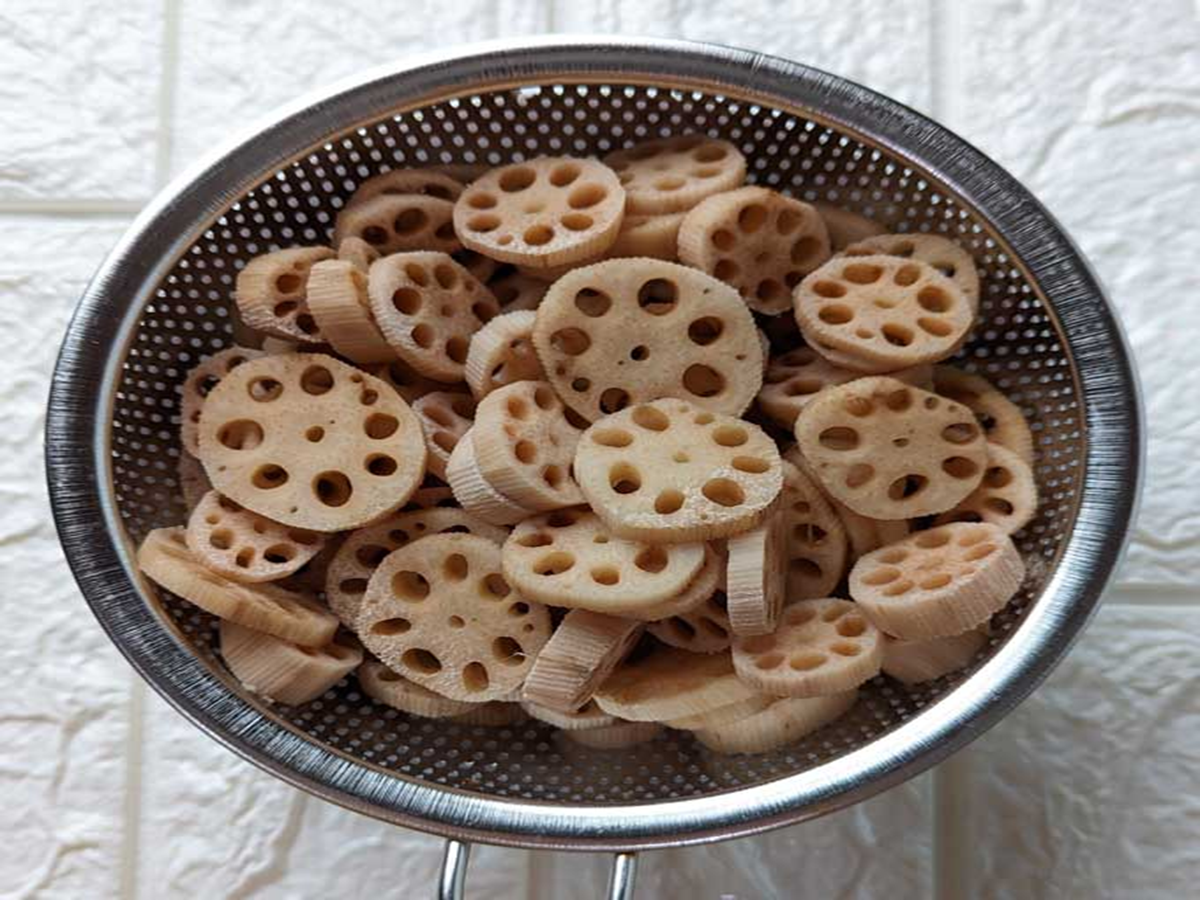
Kamal Kakdi (Lotus Stem) Sabzi Recipe: Lotus stem (kamal kakdi) can be a standout addition to any meal, thanks to its unique texture and flavor. Its circular slices, featuring small, hollow openings, are visually appealing and pair perfectly with a spicy gravy. A common challenge when cooking it, however, is that the pieces can remain tough, or the spices may not coat them thoroughly. To simplify the process, you can first soften the lotus stem in a pressure cooker, then cook it further in a gravy prepared with onions, tomatoes, ginger, and garlic.

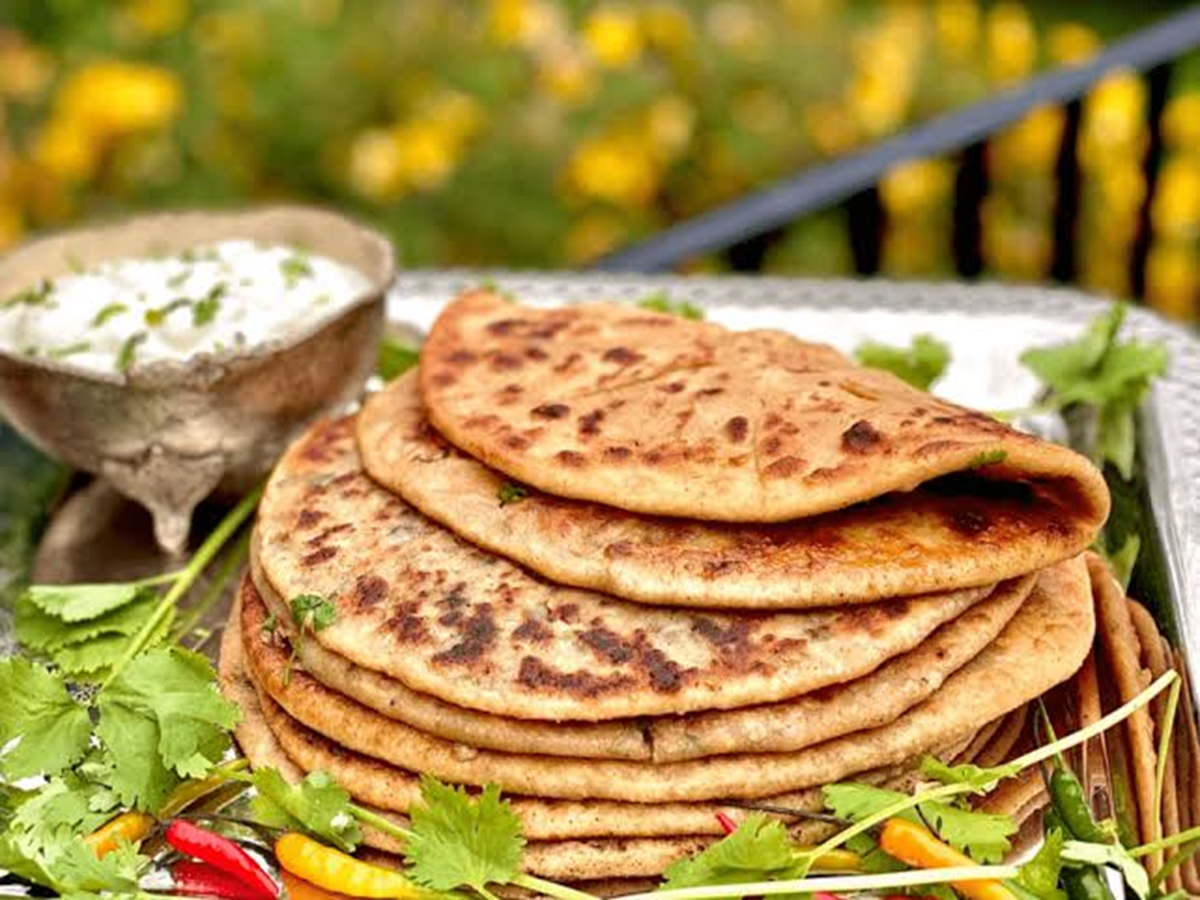
This method ensures the spices are well-cooked while preserving the texture of the lotus stem. The most critical step is cleaning, as soil can easily get trapped inside the hollow channels. Once the cleaning and boiling are done, the rest of the recipe is quite straightforward. Serve it for lunch or dinner alongside hot phulkas (rotis), parathas, or plain steamed rice.
Ingredients for the Sabzi
For 3–4 servings, take 500 grams of lotus stem. For the gravy, you will need two medium-sized onions, two medium-sized tomatoes, 1–2 green chilies, a 1/2 to 1-inch piece of ginger, and 4–5 cloves of garlic. For spices, you will need 1/2 teaspoon of cumin seeds, 1 teaspoon of coriander powder, 1/2 teaspoon of red chili powder, and 1/4 teaspoon of turmeric powder. Additionally, have salt to taste, 2–3 tablespoons of oil, and some chopped fresh coriander leaves on hand. Use water as needed, ensuring the gravy does not become too thin.
Clean Thoroughly, Including the Hollows
Wash the lotus stem under running water to remove any surface soil. Peel it thinly and trim off the tough ends. Slice it into rounds or slightly diagonal pieces. Carefully inspect the hollow openings in the slices and rinse them thoroughly by running water through them. If you notice any soil, you can use a clean, small, soft-bristled brush to remove it. Wash again if necessary; do not simply rinse the surface and proceed directly to cooking. Once cleaned, place the pieces in a colander to allow any excess water to drain away.
Ensure uniform thickness of the pieces.
When slicing the lotus stem, try to keep all the pieces roughly the same thickness. Pieces that are too thin may break apart during boiling, while those that are too thick will take longer to soften. A thickness of about half a centimeter is ideal. If you come across any parts with excessive fibers or tough, woody sections, remove them. Uniformly sliced pieces are easier to cook and test for tenderness, ensuring that the final dish doesn't end up with a mix of undercooked (tough) and overcooked (mushy) pieces.
Cook until tender in a pressure cooker.
Place the cleaned pieces into a pressure cooker and add enough water, following the manufacturer's instructions. Secure the lid and cook; once the heat is turned off, allow the pressure to release naturally. Do not rely on a fixed rule—such as "exactly three whistles"—as the required cooking time will vary based on the freshness and thickness of the lotus stem, as well as the specific pressure cooker being used. After opening the lid, test a piece by inserting a fork; if it slides in easily without the piece falling apart, the lotus stem is ready. If it still feels tough, cook it for a little longer.
Prepare an onion-tomato base.
Heat a tablespoon of oil in a pan. Add the chopped onions and sauté for a while. Once the onions begin to soften, add the ginger, garlic, and green chilies. When the raw aroma of these ingredients has faded, add the tomatoes. Cook over medium heat, stirring occasionally, until the mixture softens. Once the tomatoes have broken down and the onions are cooked, turn off the heat. Be careful not to let the ingredients burn at this stage. If the mixture becomes too dry and starts sticking to the bottom of the pan, you can add a little water and stir. Cool and grind into a smooth paste
Allow the mixture of sautéed onions and tomatoes to cool completely. Then, transfer it to a blender and grind until smooth. Add a little water only if necessary. Do not rush to grind the hot mixture in a sealed blender jar. The resulting paste should not be too thin, as it will be sautéed again with spices later. A smooth paste ensures a uniform gravy that will coat every piece of lotus stem thoroughly.
Sauté the masala over low heat
Heat the remaining oil in a pan and add the cumin seeds. Once the cumin seeds begin to crackle, add the onion-tomato paste. Reduce the heat to low and add the turmeric powder, coriander powder, red chili powder, and salt. Cook the masala while stirring continuously. If needed, add a spoonful or two of water to prevent the ground spices from burning. Once the raw aroma has dissipated, the mixture begins to thicken, and a little oil appears along the edges; proceed to the next step. A well-sautéed masala is key to giving the dish a rich, full flavor.
Add the lotus stem to the gravy.
Add the boiled lotus stem pieces to the masala and mix gently. Start by adding about half a cup of water, then add more as needed. Let the dish cook over low to medium heat for five to eight minutes. Stir occasionally to prevent the gravy from sticking to the bottom of the pan. If you would like the pieces to be softer, cover the pan and cook for a while longer. If you prefer a thicker gravy, remove the lid towards the end of the cooking process. In the finished dish, the masala (spices/sauce) should coat the pieces thoroughly.
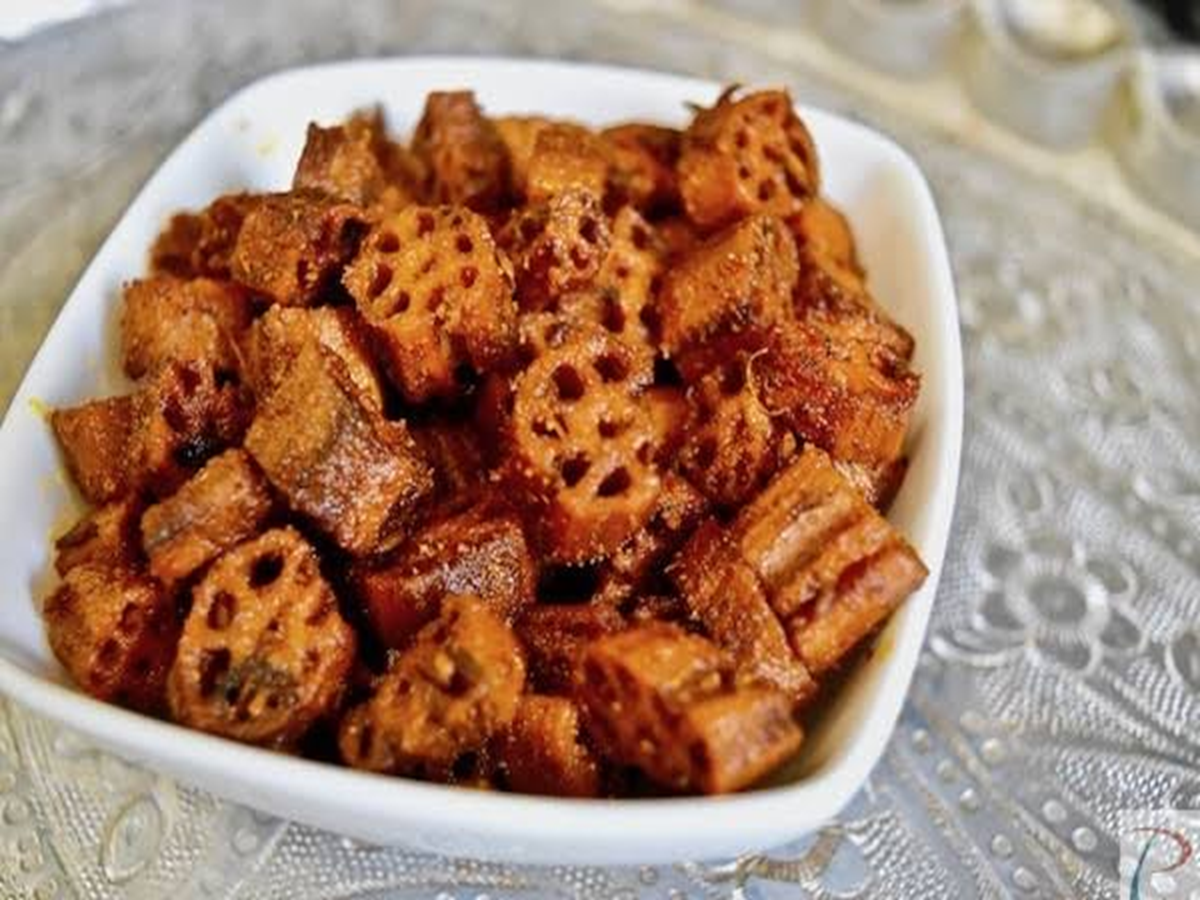
Serve with hot rotis.
Before turning off the heat, taste the dish and adjust the salt and chili levels as needed. Garnish with chopped fresh coriander, cover the dish, and let it rest for two minutes. Serve alongside hot phulkas, parathas, or rice. The lotus stem may retain a slight crunch, but its core should not be raw or tough. If the gravy becomes too thick when reheating, add a little hot water; this will prevent the masala from burning and make the dish easier to reheat.
PC Social Media