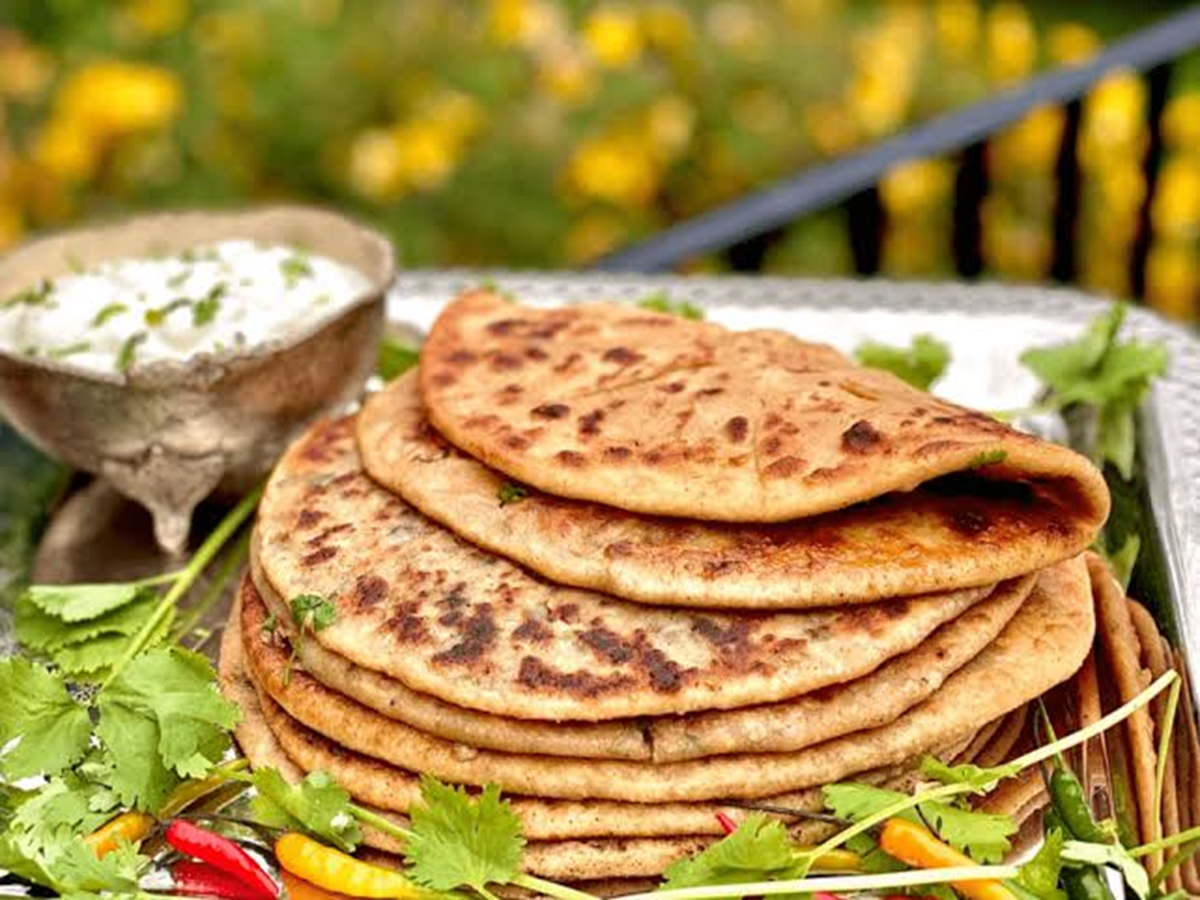
Gobhi Paratha Recipe: A hot paratha on a winter morning, served with yogurt and a bit of chutney, truly elevates the breakfast experience. While cauliflower (gobhi) parathas are a staple in many households, you can give them a fresh twist by changing the way you knead the dough. In this recipe, the wheat flour is kneaded using tomato purée, which imparts a subtle tanginess and a reddish hue to the parathas. The filling consists of cauliflower and paneer, seasoned with ginger, green chilies, and various spices. White sesame seeds sprinkled on the outside add a delicate crunch once cooked, while fresh coriander enhances the aroma.
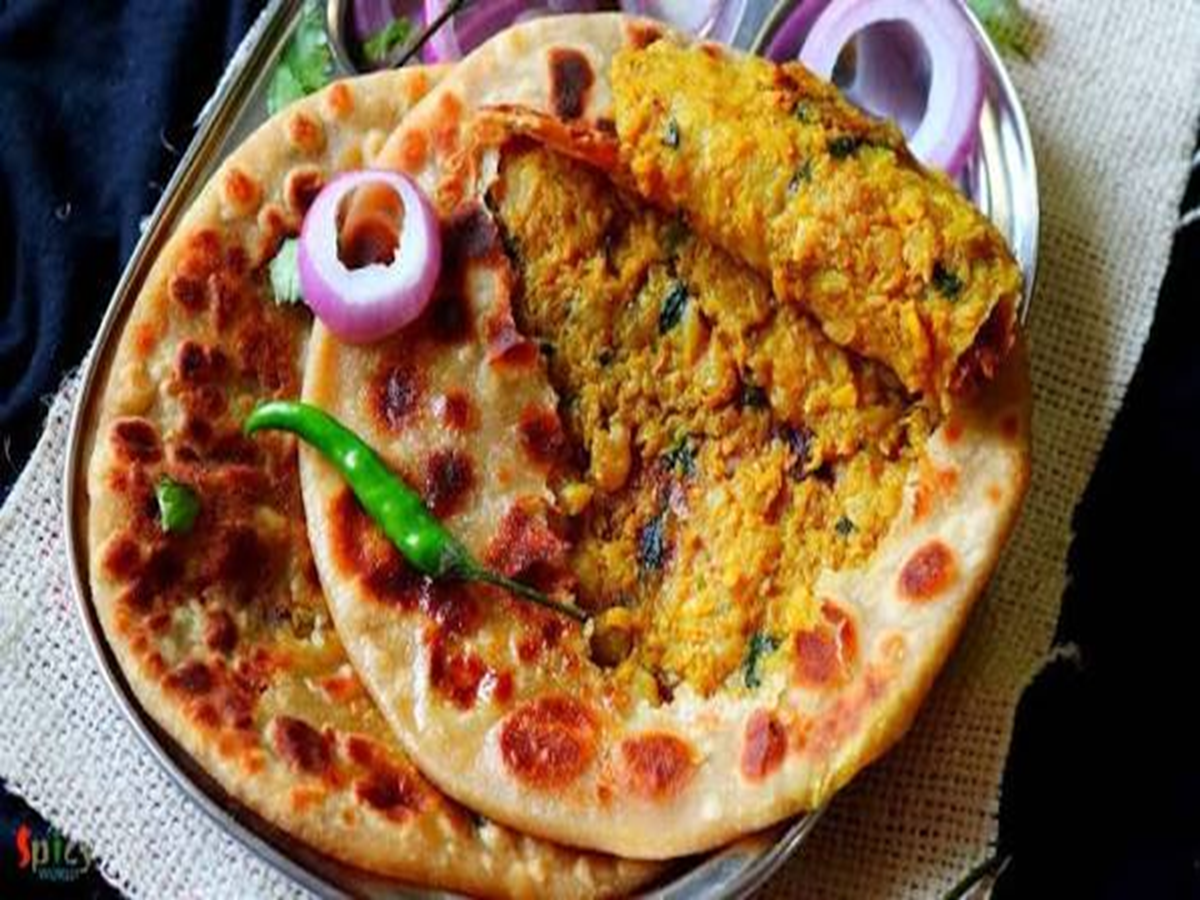
Based on a method shared by Sagar Kumar, these parathas are easy to prepare at home. The key is managing the moisture in the filling: ensure that any excess water is thoroughly squeezed out of the cauliflower. Keeping the dough soft will also make it easier to stuff and roll out the parathas. Prepare them at your leisure on a holiday, and serve them piping hot straight off the griddle (tawa).
Gather all your ingredients beforehand.
To make these parathas, you will need three cups of wheat flour, approximately 500 grams of cauliflower, and 50 grams of paneer. For the dough, prepare a purée by blending three to four medium-sized tomatoes. Do not add all of the purée at once; the exact amount required will depend on the moisture content of both the flour and the tomatoes. For the filling, have ready one teaspoon of finely chopped ginger, one teaspoon of finely chopped garlic, one to two green chilies, and a generous amount of fresh coriander. For spices, you will need half a teaspoon of cumin seeds (jeera), half a teaspoon of carom seeds (ajwain), one teaspoon of coriander powder, red chili powder to taste, and half a teaspoon of chaat masala. Also, keep salt, white sesame seeds, and some ghee or oil for cooking on hand.
Knead the dough using tomato purée.
Wash and chop the tomatoes, then blend them in a mixer until smooth (do not add any water). In a large mixing bowl, combine the wheat flour with a little salt. Begin kneading the dough by adding the tomato purée gradually. Adding too much purée at once can make the dough sticky. The dough should be soft and pliable, but not so loose that it becomes difficult to handle the dough balls. Add more purée if needed. Cover the prepared dough and let it rest for about 15 minutes. In the meantime, you can prepare the filling.
Wash the cauliflower and remove excess moisture.
Cut the cauliflower into small florets, wash them thoroughly, and place them in a colander to drain. Afterward, pat off any surface moisture with a clean cloth and grate the cauliflower. Add a little salt to the grated cauliflower and let it sit for about ten minutes. Then, squeeze out the excess water—either by wrapping it in a clean, thin cloth or by pressing it between your palms. Do this carefully; if the cauliflower remains damp, it may release water while you are rolling out the parathas, causing the dough to become sticky and the parathas to tear.
Prepare the cauliflower and paneer filling.
Place the drained cauliflower in a bowl and add the grated paneer. Incorporate the ginger, garlic, green chilies, and chopped fresh coriander. Add the carom seeds (ajwain) after crushing them lightly between your palms. Mix in the cumin, coriander powder, red chili powder, and chaat masala, ensuring everything is well combined. You may add a few chili flakes if you like, but adjust the amount of red chili powder accordingly. Since the cauliflower has already been salted and the chaat masala also contains salt, be cautious when adding any extra salt.
Do not leave the prepared filling sitting for too long.
Once the spices are added, the cauliflower may release some moisture again. Therefore, instead of letting the filling sit for a long time, begin stuffing the parathas promptly. If any water collects at the bottom of the mixture, drain it off. If you are making these for the first time, avoid overstuffing the dough balls; starting with a smaller amount of filling makes it easier to seal the edges. Finely grate the paneer so that it blends evenly into the mixture and large chunks do not pop out while rolling.
Stuffing and sealing the dough balls
Gently knead the rested dough and divide it into medium-sized portions (balls). Dust one portion with dry flour and roll it out into a small circle. Keep the center slightly thicker and the edges a bit thinner. Place the cauliflower-paneer stuffing in the center, bring the edges together, and seal them securely. Press the sealed portion with your fingers to ensure the stuffing stays inside. Now, gently flatten the ball using your palm.
Add sesame seeds and coriander, then roll out
Dust the stuffed dough ball with a little dry flour and begin rolling it out using light pressure. Applying too much force with the rolling pin may cause the stuffing to spill out. Once the paratha has expanded slightly, sprinkle white sesame seeds and finely chopped coriander over it. Use the rolling pin to press them lightly so they adhere to the surface. If needed, you can lightly dampen the surface with your fingertips to help the sesame seeds stick. Ensure the paratha is neither too thick nor so thin that the cauliflower stuffing becomes visible.
Cook on both sides over the right heat.
Heat a griddle (tawa) over medium heat and place the rolled-out paratha on it. Once the bottom side is lightly cooked, flip it over. After the other side is also lightly cooked, apply a little ghee or oil to both sides. Gently press the edges with a spatula while cooking to ensure the dough there is not left raw. Be careful not to let the tomato-infused dough or the sesame seeds on top burn; keep the heat adjusted accordingly. Once both sides develop golden-brown spots and the paratha is thoroughly cooked, remove it from the griddle.
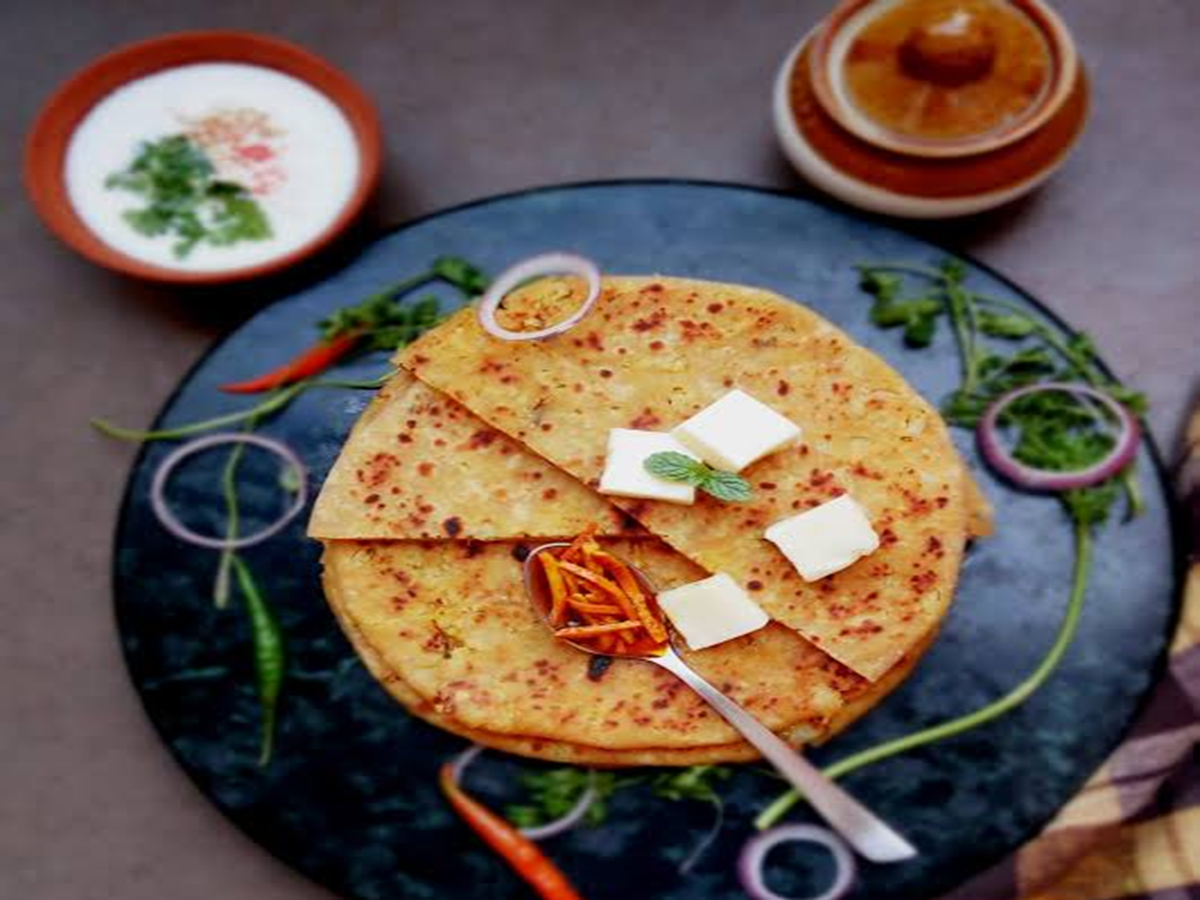
Best enjoyed when served piping hot
Serve the prepared cauliflower-paneer (gobhi-paneer) parathas with plain yogurt, green chutney, or a pickle of your choice. You may also add a dollop of butter on top. If you are making several parathas at once, do not leave them uncovered for too long. Store them in a container lined with a clean cloth, but ensure that too much steam does not accumulate inside. The best flavor is experienced when the paratha is served hot, straight off the griddle. The subtle tanginess of the tomato, the cauliflower filling, and the toasted sesame seeds make this an exceptional choice for breakfast.
PC Social Media