LIFESTYLE
Monsoon Illness: Have you been suffering from stomach trouble, vomiting, and diarrhea for a few days? Could it be a hepatitis infection?
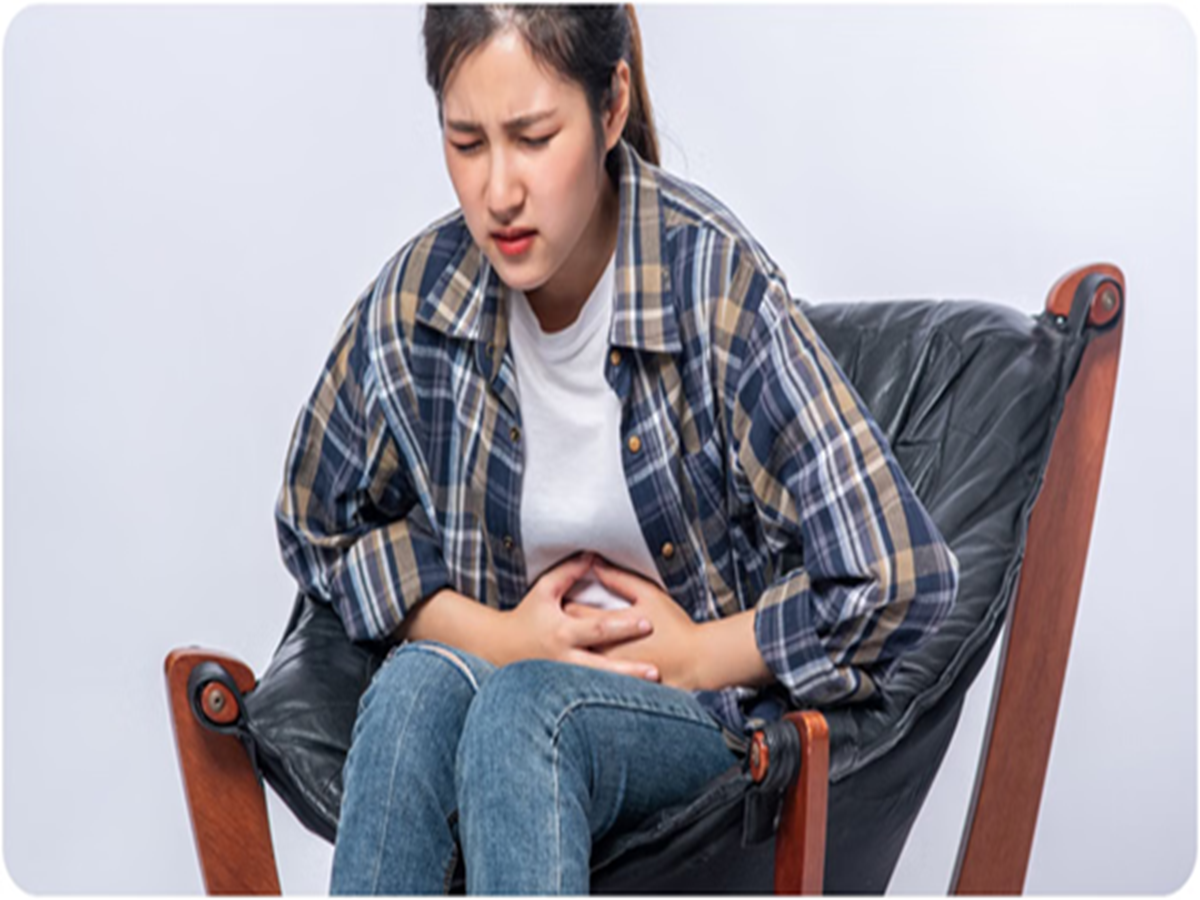
The monsoon brings with it various illnesses. During this season, it is crucial to be cautious about what you eat. Health experts advise exercising care when consuming roadside snacks like *pakoras*, *chaat*, and *golgappas* during the rainy season, as these favorites can sometimes lead to serious health issues.

Severe stomach pain, vomiting, diarrhea, and weakness are quite common during the monsoon. While food poisoning is often cited as the primary cause, these symptoms do not always indicate food poisoning; in many cases, they could signal a Hepatitis A infection, which is considered a serious condition.
Due to their overlapping symptoms, the two conditions are often confused. Therefore, if you have been experiencing persistent stomach trouble that does not improve with standard remedies, it is important to get a medical check-up promptly.
**Stomach Issues During the Monsoon**
Doctors note that symptoms such as nausea, vomiting, an upset stomach, and weakness can appear in both conditions. If the illness is not diagnosed in time, the situation can become severe.
While the body often recovers from food poisoning within a few days, Hepatitis A can lead to liver inflammation, jaundice, and other complications.
Hepatitis A spreads through contaminated food and water, whereas food poisoning is caused by consuming food contaminated with bacteria, viruses, or parasites.
Increased humidity and unsanitary conditions during the monsoon heighten the risk of both types of infections.
**Understanding Food Poisoning**
As the name suggests, food poisoning is a condition caused by consuming contaminated food or beverages. *Salmonella* and *E. coli* are considered the primary causes. The risk of infection increases if food is not cooked properly, is left at room temperature for an extended period, or is prepared under unhygienic conditions.
Food poisoning can cause symptoms such as nausea, vomiting, and diarrhea, accompanied by stomach cramps, fever, and weakness.
While most people recover from the illness within a few days, symptoms can be severe in children, the elderly, and individuals with compromised immune systems.
How can you tell if you have food poisoning or Hepatitis A?
Both food poisoning and Hepatitis A are often linked to contaminated food or water, and they share several initial symptoms.
Both conditions can cause nausea, vomiting, abdominal pain, weakness, and sometimes fever; however, their underlying causes differ.
Food poisoning can be caused by bacteria, viruses, or toxins, whereas Hepatitis A is caused specifically by the HAV virus.
To prevent both conditions, it is crucial to drink clean water, consume thoroughly cooked food, maintain hand hygiene, and avoid eating outside food.

If a patient experiences only vomiting, diarrhea, and stomach pain but begins to recover within a few days, it could be food poisoning. However, if weakness persists, the eyes and skin turn yellow, and urine becomes dark, there is a risk of Hepatitis A. Consult a doctor for an examination in a timely manner.
PC Social Media