Parenting
Parenting Tips: Why Dutch Children Are the Happiest in the World! Learn Dutch Parenting Secrets..
Recent UNICEF reports reveal a shocking truth. While children in the world's richest and most powerful countries struggle with stress and depression, children in the Netherlands are consistently ranked among the happiest in the world. What are Dutch parents doing differently?
In fact, in our country, "success" means coming first in class. In the Netherlands, success means living a balanced life. Dutch schools don't assign homework to children until the age of 10. They believe that after-school time is for playing, spending time with family, and self-discovery.
According to Rina Mae Acosta and Michelle Hutchison, authors of the bestselling book "The Happiest Kids in the World," the Dutch have a completely different standard of success than we do. While we tend to think that a child will be happy if they are successful, Dutch parents believe that a child will be successful only if they are happy.
According to Acosta, happiness is considered the path to success there, because only a happy child understands themselves better, remains motivated, and learns to integrate into society. For them, success doesn't just mean high positions, but also becoming an independent and mentally strong individual.
What is the fundamental principle of Dutch parenting?
Work-life balance is not just a given in Dutch society. There's a tradition of "Papadag" (Daddy Day), where fathers take one day off work a week to spend time with their children. Dutch parents don't dictate to their children, but rather negotiate with them. This fosters decision-making and self-confidence in their children. Children there prioritize cycling and playing in the mud over branded clothes or expensive toys.
Family Quality Time Over Breakfast
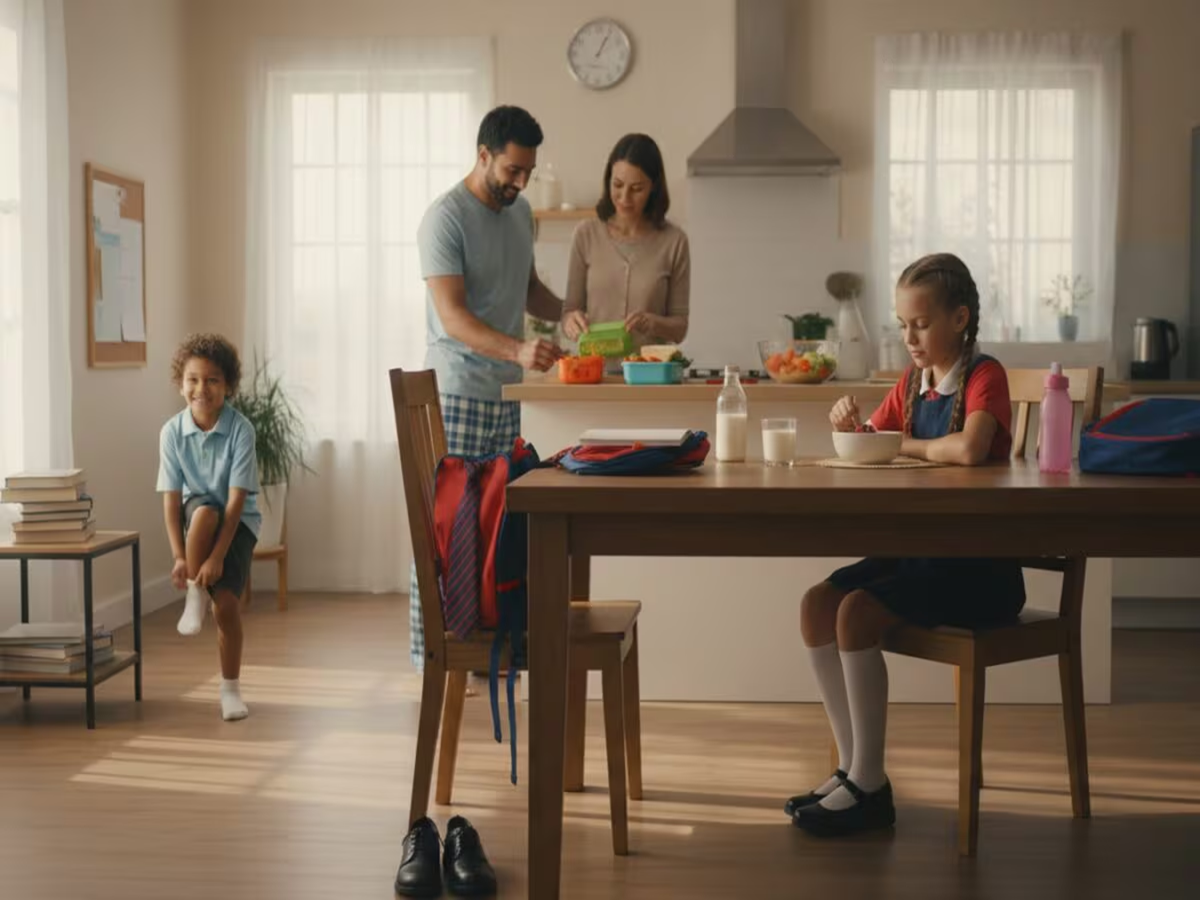
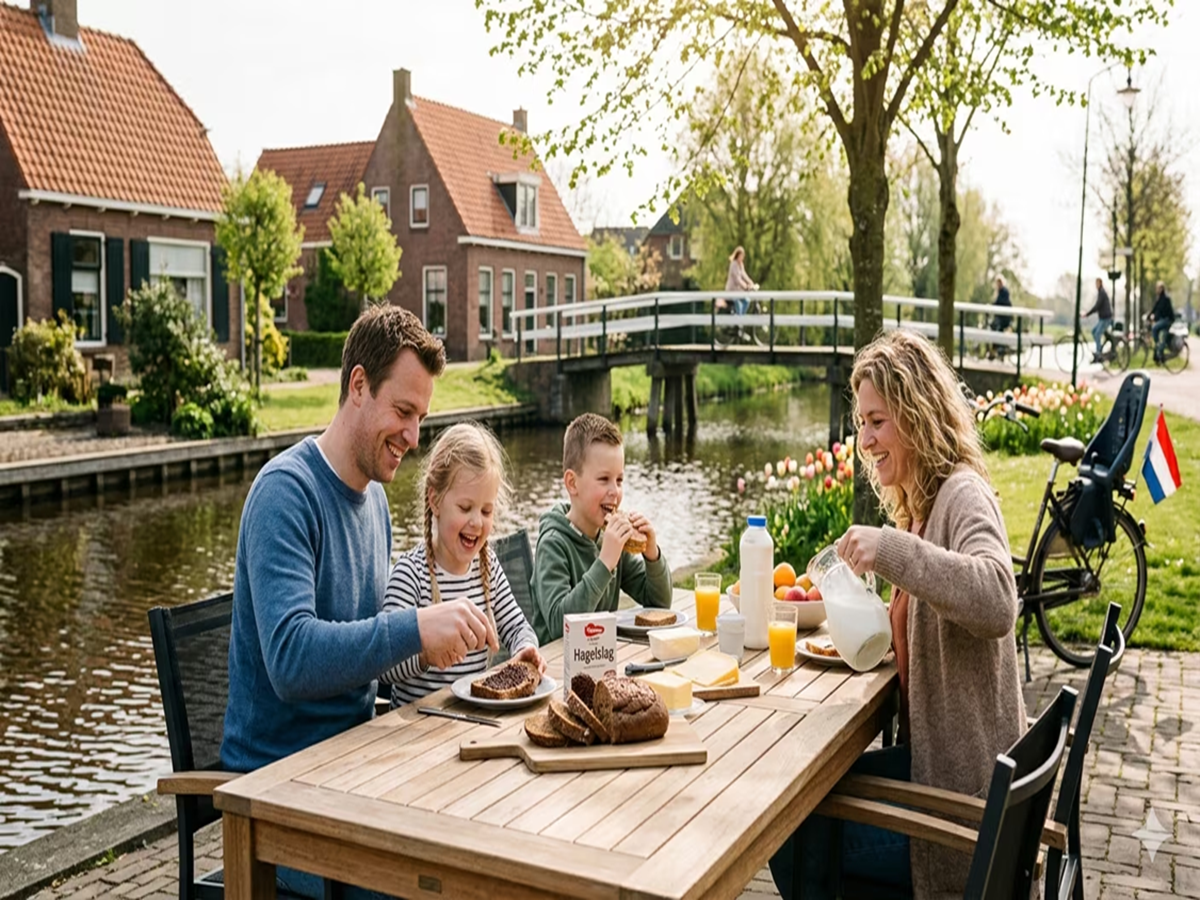
It may sound strange, but research shows that Dutch children are among the few in the world who eat breakfast with their parents every morning. Eating "Hagelslag" (chocolate sprinkles) for breakfast is common there. It's not just about food, but about the "quality time" that unites a family.
Independence and Self-Reliance
On the streets of the Netherlands, you can see young children cycling to school on their own. Dutch parents don't believe in "helicopter parenting" (hovering over their child's head all the time). They give children the opportunity to fall and pick themselves up. This independence makes them mentally strong.

What Can We Learn?
We must understand that a stressed child will never become a happy adult. Success is important, but it shouldn't come at the expense of childhood. If we want our children to be truly successful, we need to learn from the Dutch that "happiness is not a destination, but a way of life." Stop chasing grades; sit and talk with your child, let them play outside, and make them feel that they are wonderful just the way they are.
PC Social Media