LIFESTYLE
Rainy Season Craving: Why does the craving for chai and pakoras spike as soon as the rains begin? Find out the real reason..
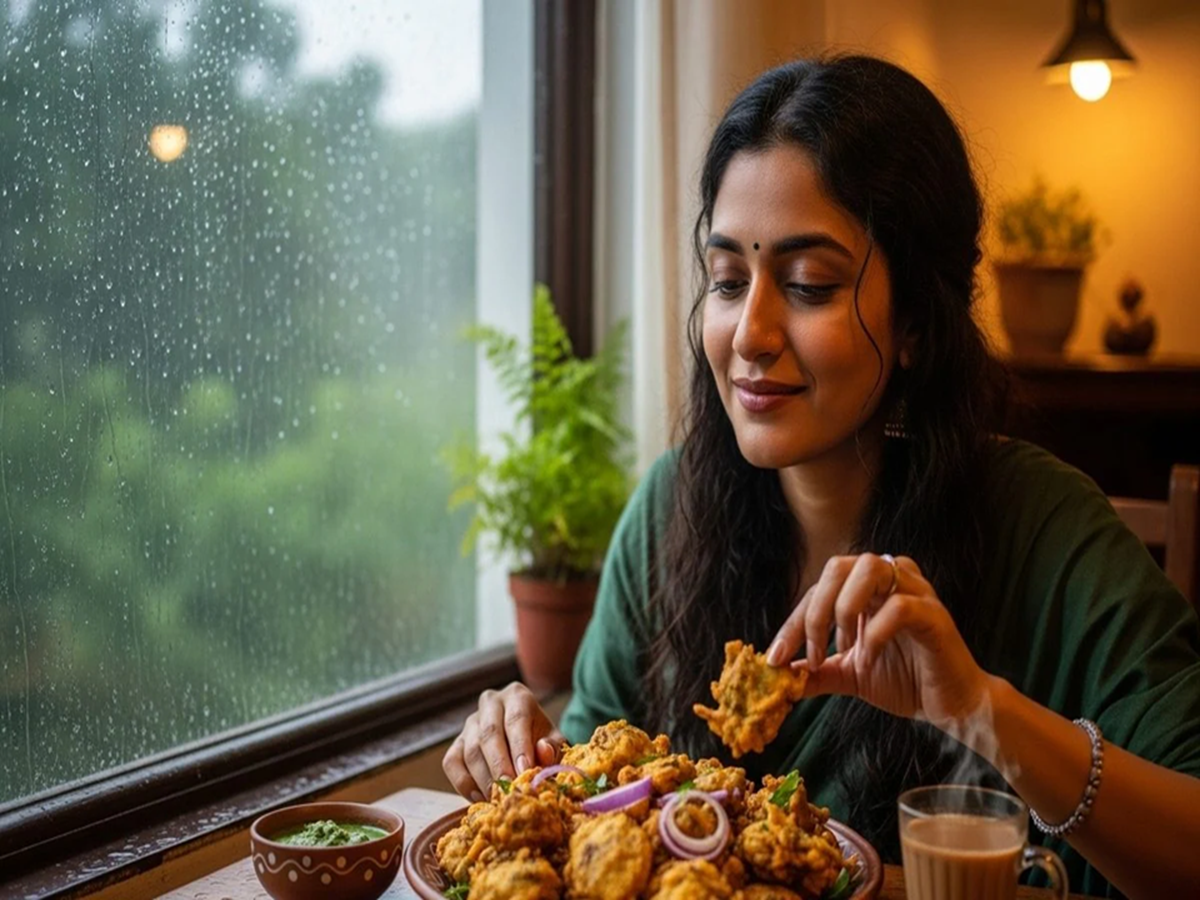
Monsoon Craving for Tea and Pakodas: The monsoon has arrived, and rain can strike at any moment these days. This season is defined by raindrops, cool breezes, the earthy aroma of wet soil, and the combination of piping hot tea with crispy pakodas (fritters).

With heavy rain falling in many places since morning, you surely felt the urge to have hot tea and pakodas the moment you woke up, didn't you? You aren't alone in this. As soon as clouds gather and raindrops begin to fall, many people suddenly crave tea and pakodas. This isn't just about taste; it is the result of a deep connection between our minds, emotions, and the weather.
According to experts, the drop in temperature during the rain draws the body toward warm, comforting food. At the same time, the rainy atmosphere evokes childhood memories, moments spent with family, and recollections of holidays. That is why, during the monsoon, tea and pakodas become more than just a snack—they become an emotional experience.
However, while enjoying these flavors, it is equally important to keep health in mind. By paying attention to the right ingredients, clean oil, and balanced portions, one can enjoy these monsoon treats without worry. Let’s explore why the craving for tea and pakodas intensifies during the rainy season and the reasons behind it.
Why do we crave tea and pakodas when it rains?
The rainy season affects both the body and the mind.
Cool breezes and lower temperatures make the body crave warm foods.
Piping hot tea and freshly fried pakodas provide an immediate sense of warmth and comfort.
The aroma of the soil stimulates the appetite.
The earthy scent that rises after the first rain activates parts of the brain linked to memories and emotions.
This lifts the mood and increases the desire to eat delicious food.
Do 'happy hormones' increase?
The calm atmosphere of the rain, the slight chill, and your favorite foods can help boost the release of hormones like dopamine and serotonin.
This is why the first sip of tea and eating piping-hot *pakodas* (fritters) brings a sense of satisfaction.
Childhood memories play a major role too.
In most Indian families, the rainy season is synonymous with tea and *pakodas*.
This tradition becomes deeply ingrained in our childhood memories.
As soon as it rains, those memories come flooding back.
The mind yearns to relive that same taste.
The body's needs change with the weather.
As temperatures drop during the monsoon, the body may crave foods that provide warmth and energy.
That is why the demand for tea, soup, and fried snacks rises during this season.
Is it okay to eat *pakodas* every day?
Indulging in flavors is fine, but consuming excessive amounts of fried food can lead to weight gain.
It can also cause digestive issues.
Therefore, eating *pakodas* in moderation—perhaps once or twice a week—is considered a better choice.
Healthy options for the monsoon:
Make *pakodas* using gram flour (*besan*) mixed with spinach, onions, fenugreek leaves (*methi*), and lentils.
Avoid using oil that has been reheated repeatedly.
Drink tea infused with ginger and holy basil (*tulsi*).
Pair your *pakodas* with green chutney.
Consume fried snacks only in moderation.
Keep these points in mind during the monsoon:
Avoid fried food sold by street vendors.
Use clean and fresh oil.
Eat food while it is still hot.
Have a hot beverage immediately after getting wet in the rain.
Stay hydrated by drinking plenty of water.
PC Social Media