Business
Silver becomes cheaper by Rs 5,600 on Chhath Puja; gold also sees a sharp decline today—check the new rates..
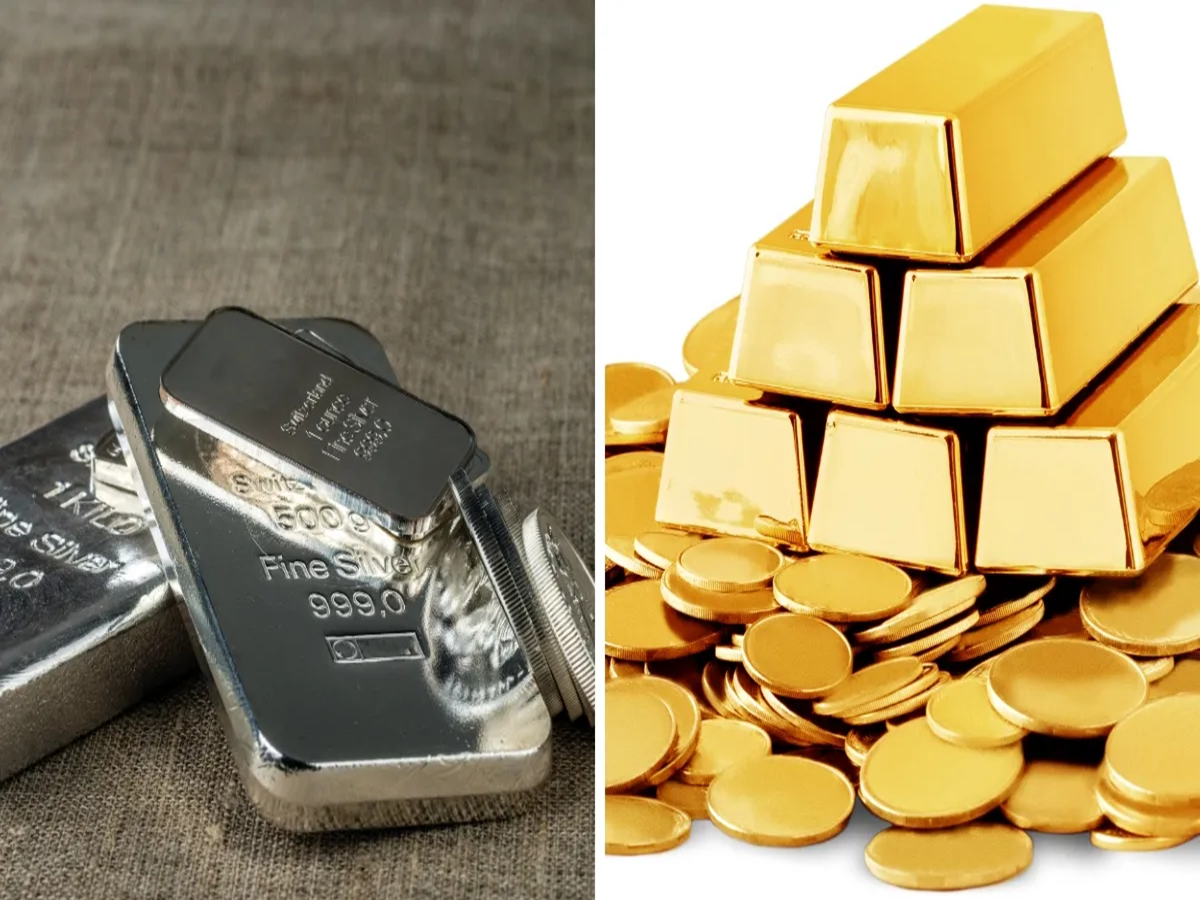
The price of gold has fallen today, November 16. On the MCX, the price for December-delivery gold has reached ₹135,737 per 10 grams. Meanwhile, the price of silver has dropped by ₹5,681, with the metal currently trading at ₹170,628 per kilogram. In the international market, too, gold prices have slipped; gold is down 0.48% to trade at $3,867 per ounce, while silver has fallen 3.59% to trade at $47 per ounce.
Gold prices saw an uptick on Friday after US inflation data came in line with expectations. These figures have somewhat eased concerns regarding a major interest rate hike by the US Federal Reserve. However, gold had hit a more than one-year low on Thursday, and this decline has kept the metal on a path of consecutive weekly losses. There is apprehension in the market that the Federal Reserve may continue to raise interest rates to bring inflation under control.
According to the CME FedWatch tool, there is an 89.4% probability that the US Federal Reserve will raise interest rates by 25 basis points in December—a figure that stood at 96.2% prior to the release of the Producer Price Index (PPI) data. Meanwhile, the probability of a larger 50-basis-point hike has decreased to 10.6%, down from 13.8%. Rising interest rates exert pressure on the demand for gold, as the metal does not generate interest or regular returns. All three precious metals recorded a decline this week.
Gold and silver prices may continue to experience volatility in the coming days. Investors will be closely monitoring key global data, such as inflation figures, signals from the US Federal Reserve, and developments in West Asia. Inflation data from India, the US, the UK, the Eurozone, and Japan could play a crucial role in shaping market direction. Based on these figures, investors will attempt to gauge the potential future actions of central banks regarding interest rates.
Furthermore, investors will be monitoring the minutes from the US Federal Reserve’s last meeting, statements from officials, and US employment data. China’s industrial production figures will also be significant—particularly for silver, given its extensive use in the industrial sector. Meanwhile, rising tensions in West Asia and the prospect of a confrontation between the US and Iran could drive up crude oil prices. This, in turn, could heighten concerns over inflation and impact the prices of gold and silver.
Last week, demand for gold remained robust in India. Lower prices in the domestic market encouraged consumers to shop extensively during the festive season. This trend contrasts with the situation in China—the world’s largest gold-consuming market—where demand has remained weak. Domestic demand in India continues to be a key factor in determining the direction of gold prices. With the wedding season approaching, demand is expected to persist, which could help prevent any significant decline in gold prices.
Escalating tensions in West Asia may also influence gold prices. On Friday, the situation around the Strait of Hormuz and the friction between the US and Iran remained major sources of market concern. The US has maintained a naval blockade against Iran, while attacks on energy infrastructure in Saudi Arabia and threats to oil tankers have created supply uncertainty. While geopolitical tensions could boost demand for gold as a "safe-haven" asset, the prospect of higher inflation—driven by expensive crude oil—and the continuation of a hawkish monetary policy by the US Federal Reserve could exert downward pressure on gold prices.
PC Social Media