LIFESTYLE
There is no tradition of bringing *Prasad* home from these 5 temples; what are the religious reasons for this?
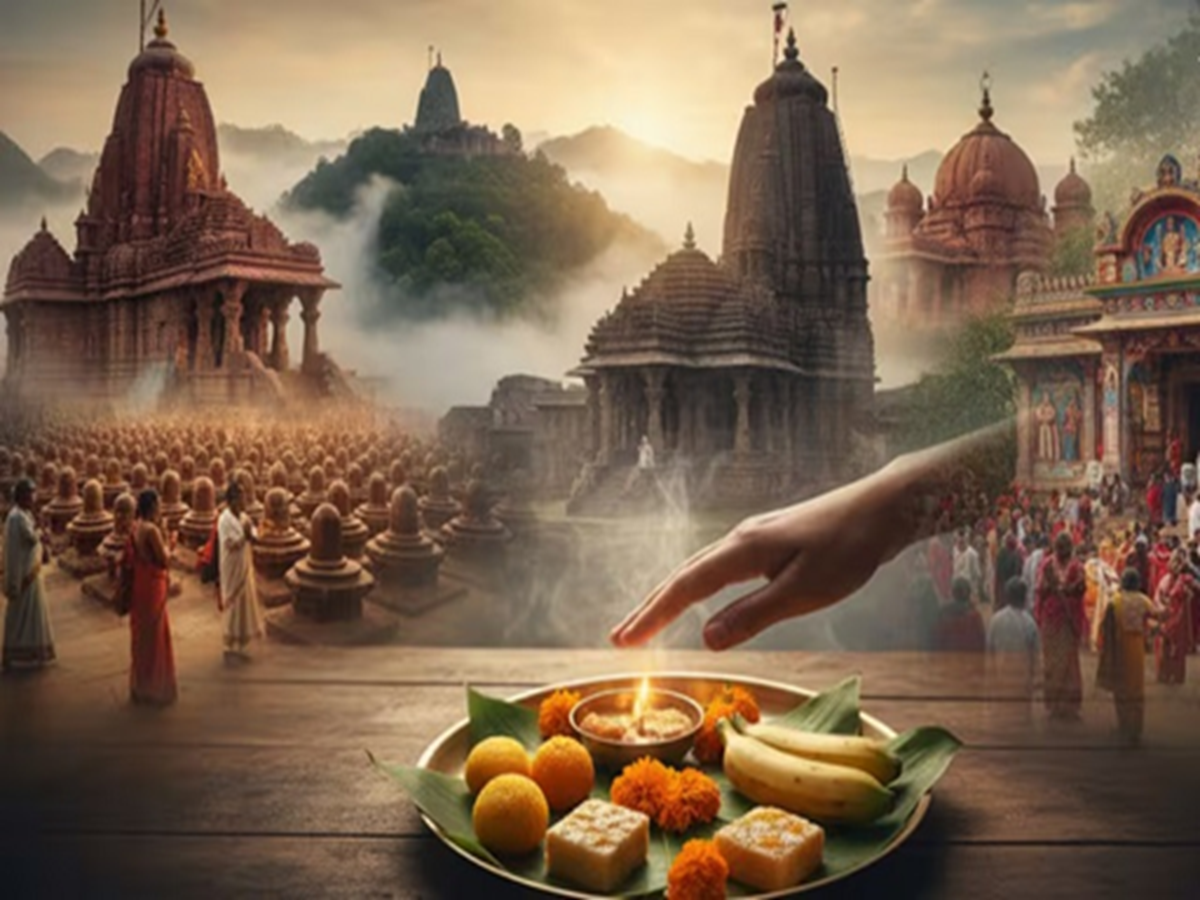
In India, temples are regarded not merely as places of worship but also as centers of spirituality. Each temple here possesses a unique history and a distinct story that makes it truly special.
While there are temples where entry is prohibited after certain hours, others follow unique customs that set them apart from the rest.
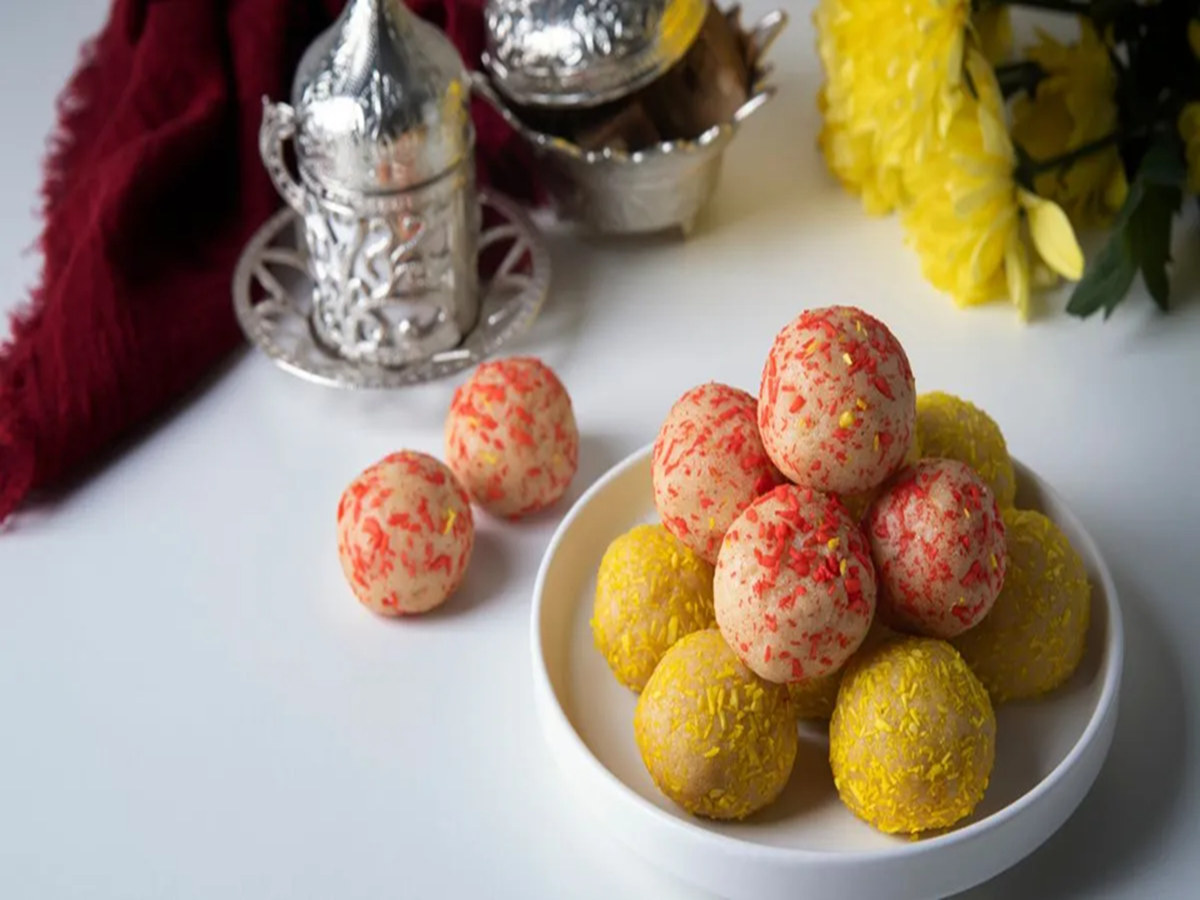
There are temples in India where the *prasad* (offering) is considered extremely sacred, yet there are others where taking the *prasad* home is forbidden.
Usually, when we visit a temple or pilgrimage site, the *prasad* is shared among everyone; however, what is it about these specific temples that prevents one from taking the *prasad* home? Let us explore these unique traditions.
**Mehandipur Balaji Temple, Rajasthan**
Mehandipur Balaji is considered one of India's most mysterious temples. Huge crowds of devotees flock to this temple daily. It is believed that individuals afflicted by negative energy visit this temple, and through the blessings of Balaji, they are liberated from these afflictions.
This temple is dedicated to the 'Balaji' form of Lord Hanuman. It is said that one should never bring the *prasad* from here home, as doing so might invite negative energy along with it. If you receive *prasad* there, you should consume it within the temple premises itself.
**Kamakhya Temple, Assam**
The Kamakhya Temple is situated on the Nilachal Hill near Guwahati. It is one of India's most significant *Shakti Peethas*. Renowned for *Tantra* worship, the temple is a site where the *Yoni* (divine womb/source of creation) of the Goddess is worshipped.
It is believed that the *prasad* received here should be consumed within the temple complex and never taken home. This *prasad* is considered highly sacred and imbued with special energy; therefore, the custom is to consume it right there on the temple grounds.
**Kotilingeshwara Temple, Karnataka**
The Kotilingeshwara Temple is famous for housing millions of *Shivlings*. This is one of India's most unique religious sites, drawing travelers from far and wide.
Regarding the *prasad* (sacred offering) here, it is said that the items offered are symbolically attributed to Chandeshwar, a devotee of Lord Shiva. For this reason, many devotees believe that the *prasad* should neither be taken home nor consumed by the devotees themselves.
Kaal Bhairav Temple, Madhya Pradesh
Located in Ujjain, the Kaal Bhairav Temple is one of the country's most intriguing religious sites. Devotees offer liquor to the deity here, and it is believed that this offering should not be consumed in the same manner as the traditional *prasad* found at other temples. Consequently, taking the temple's *prasad* home is discouraged.
Naina Devi Temple, Himachal Pradesh
It is also considered inappropriate to take the *prasad* from the Naina Devi Temple in Bilaspur, Himachal Pradesh, back home. Situated in the Shivalik mountain range, this temple is regarded as one of India's *Shaktipeeths*. One of the local customs of the temple dictates that offerings made here should never be taken home.
PC Social Media