LIFESTYLE
Water Intake: 'The more water you drink, the healthier your body remains' – find out how much truth there is to this..
Health experts advise drinking plenty of water throughout the day to maintain good health. Water does more than just quench thirst; it is essential for the proper functioning of the body. Water makes up approximately 50–60 percent of our body weight and plays a crucial role in vital processes such as blood circulation, temperature regulation, nutrient delivery to cells, and the elimination of waste products. So, should one keep drinking plenty of water to stay healthy?
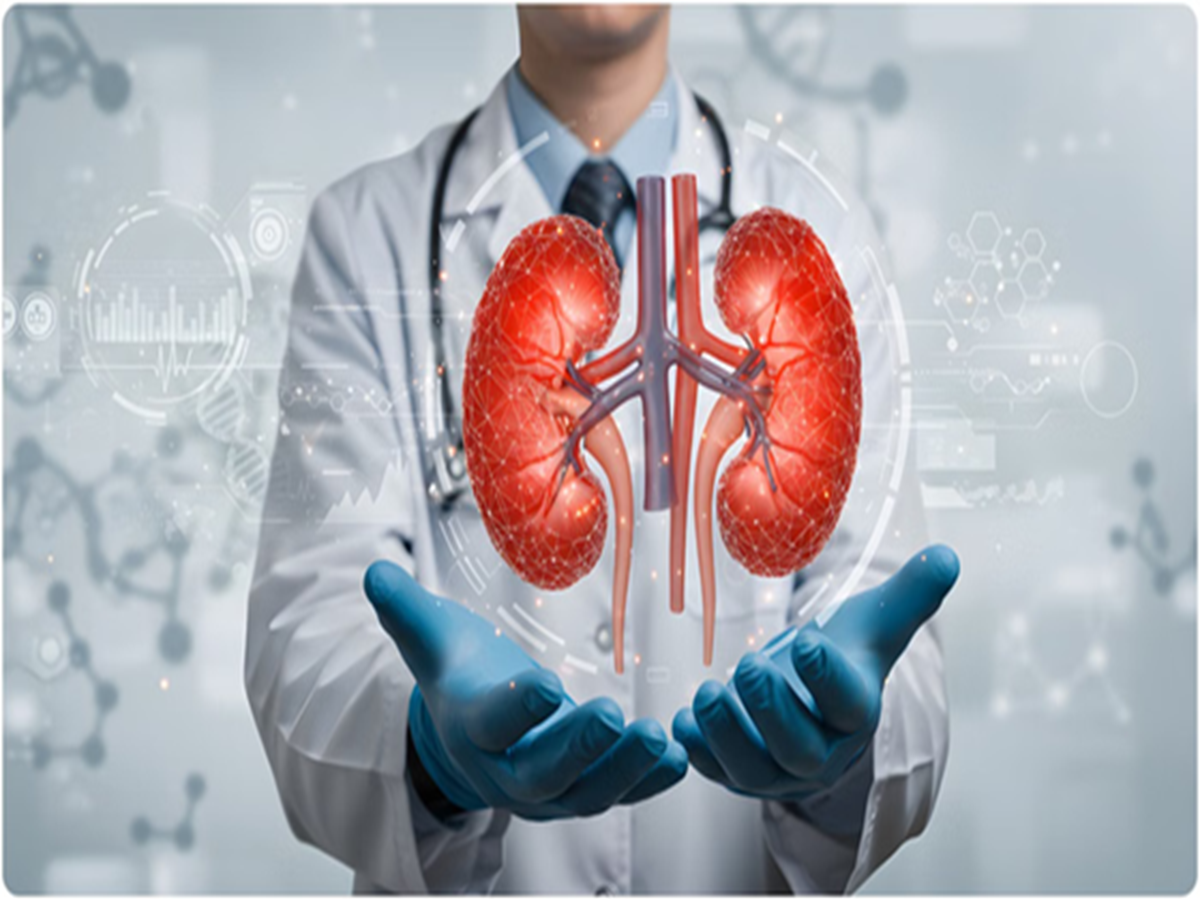
When the body lacks sufficient water, the kidneys have to work harder to filter the blood. This causes the urine to become concentrated. Prolonged dehydration can increase the risk of kidney stones and recurrent urinary tract infections.
However, it is important to understand that just as a lack of water is detrimental to health, consuming excessive amounts can also be harmful. But how?
Water is essential, but in balanced amounts
Health experts state that the notion "the more water you drink, the healthier you will be" is incorrect. Drinking excessive water can cause sodium levels in the body to drop abnormally low—a condition known as hyponatremia. In severe cases, this condition can lead to brain swelling, confusion, seizures, and, rarely, even prove fatal. However, health issues resulting from excessive water intake are quite rare.
Experts believe that individual water requirements vary. Factors such as age, weather, physical activity, diet, pregnancy, and certain medical conditions can increase the body's need for water.
What happens when you drink too much water?
Drinking excessive water can cause the body's sodium levels to drop significantly. This condition is known as hyponatremia.
Sodium is essential for the normal functioning of cells. When its levels drop rapidly, it can lead to various health problems. Initially, one may experience nausea, headaches, and weakness, while severe cases can lead to confusion, seizures, loss of consciousness, and even life-threatening situations.
**Impact of excessive water intake on the kidneys**
Healthy kidneys eliminate excess water through urine. However, consistently drinking far more water than necessary forces the kidneys to work overtime. If a person already has kidney disease, their kidneys may be unable to effectively expel this excess water.
This leads to water retention in the body and can aggravate electrolyte imbalances.
Therefore, for kidney patients, water intake is determined strictly according to a doctor's advice.
**So, how much water should one drink daily?**
Water requirements vary from person to person. They change based on factors such as weather, weight, age, physical activity, pregnancy, breastfeeding, and overall health status.
Medical reports indicate that for most healthy individuals, feeling thirsty and passing pale yellow urine are good indicators of adequate hydration.
Consuming 2–3 liters of water a day is generally considered sufficient.
The elderly, pregnant women, athletes, and those working outdoors in the sun should pay special attention to their water intake, as these groups are more susceptible to dehydration.
PC Social Media