LIFESTYLE
What are the religious significance and beliefs associated with placing the Conch, Discus, and Tilak on the main entrance of a home?
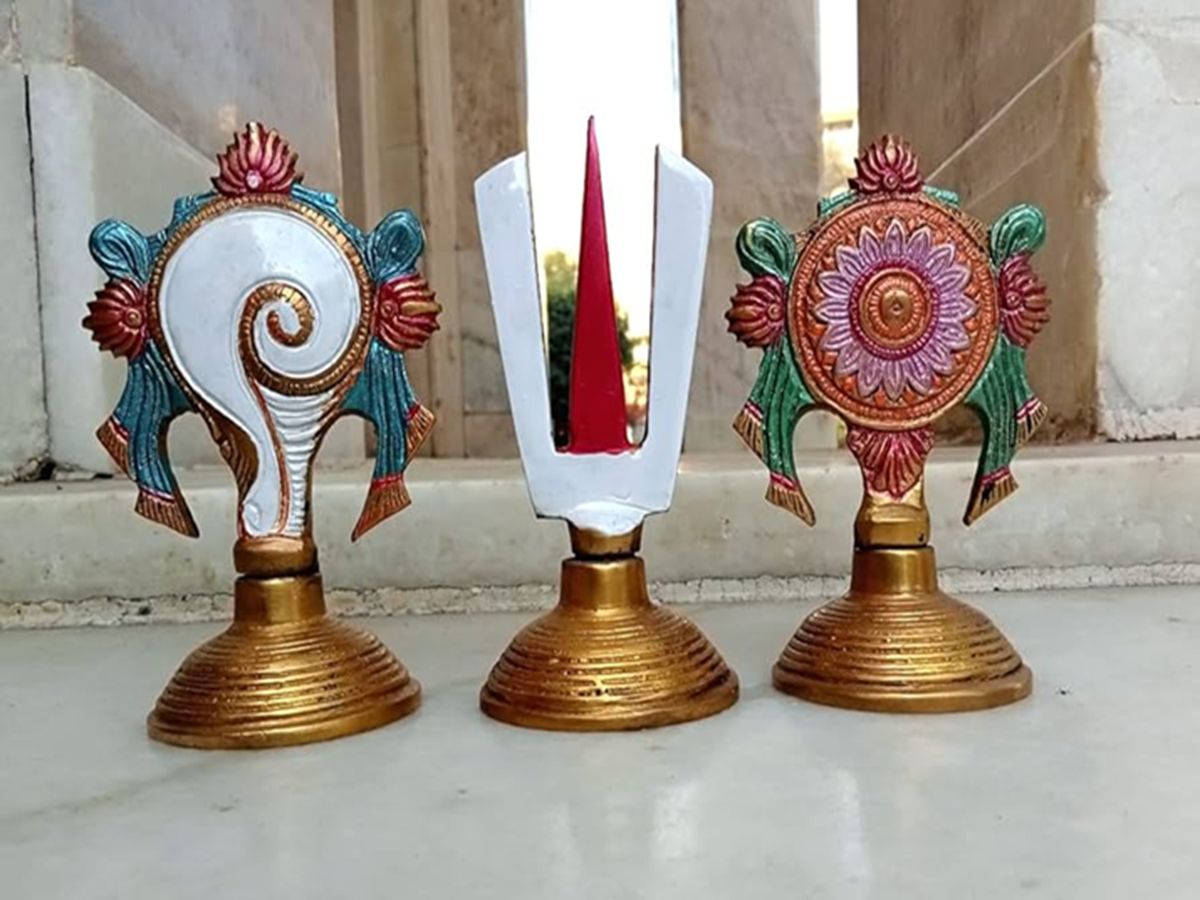
Astro Tips: In Sanatan Dharma, the main entrance of a home is not merely a point of entry; it is regarded as a pivotal hub of energy. Its significance is also duly noted in ancient mythological texts. According to an episode in the *Ramayana*, when Lord Hanuman arrived in Lanka in search of Goddess Sita, he observed a *Tulsi* (Holy Basil) altar and the sacred symbols of the *Shankh* (conch) and *Chakra* (discus) inscribed outside Vibhishana's home. Upon seeing these auspicious symbols, he realized that this was the abode of a devotee of the Divine; he paused there, and it was there that he met Vibhishana. This narrative clearly illustrates that auspicious symbols adorning the main entrance serve as indicators of a home's spiritual identity and its positive energetic aura.
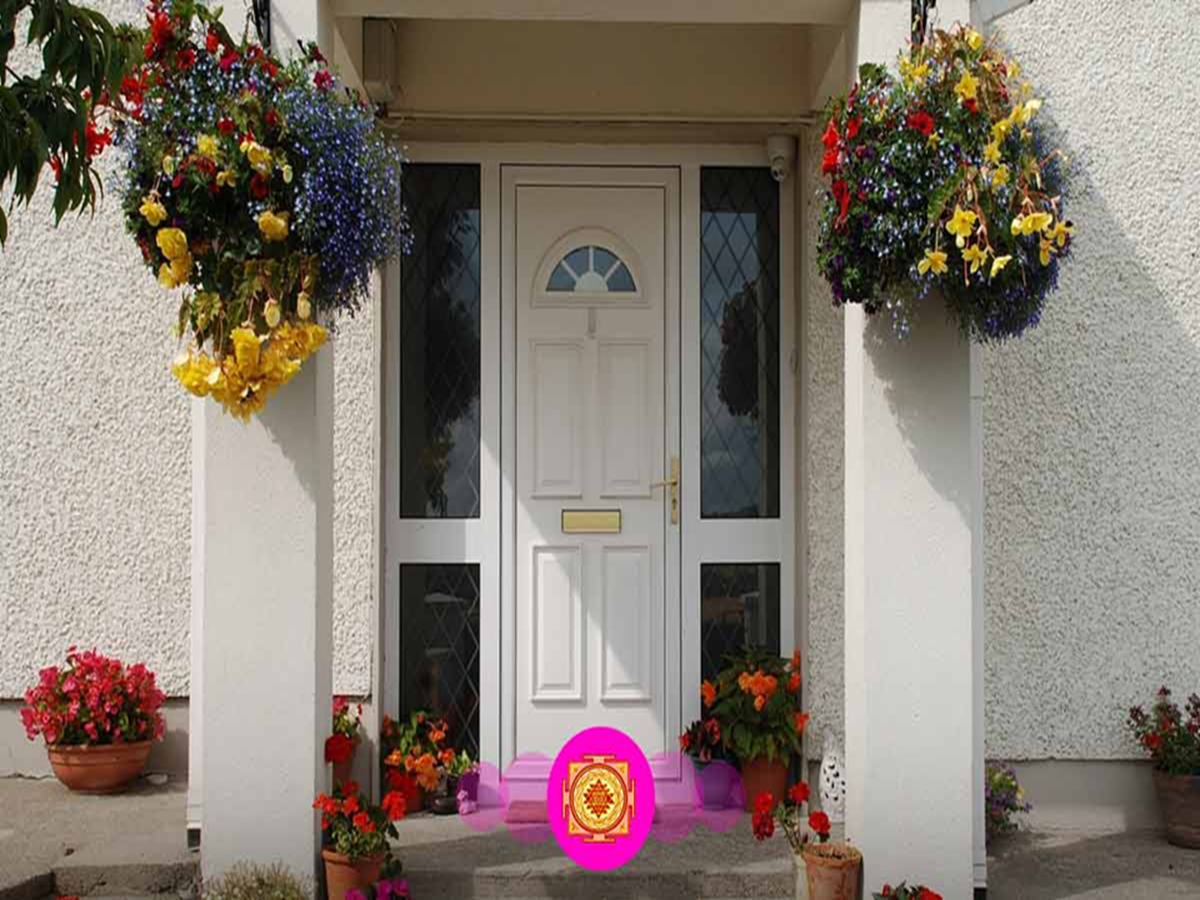
**Vastu**
**The Significance of the *Shankh* (Conch)**
The *Shankh* is revered as a sacred symbol intrinsically linked to Goddess Lakshmi and Lord Vishnu. It is believed that wherever the *Shankh* resides, poverty and negative energies cannot take root. Inscribing or installing the symbol of the *Shankh* at the main entrance facilitates the flow of positive energy into the home, thereby fostering an atmosphere of happiness and prosperity. The sound of the *Shankh* is also considered to possess the power to purify the surrounding environment.
**The Significance of the *Chakra* (Discus)**
The *Chakra* symbolizes Lord Vishnu's *Sudarshan Chakra*—the divine discus regarded as the ultimate instrument for the annihilation of evil and unrighteousness (*Adharma*). Displaying the symbol of the *Chakra* at the main entrance serves to ward off negative energies lurking in the vicinity of the home, acting as an invisible shield of protection. From a spiritual perspective, it plays a vital role in maintaining peace, balance, and security within the household.
**The Significance of the *Tilak***
In the Sanatan tradition, the *Tilak* is revered as a symbol of auspiciousness, respect, and spirituality. Applying a *Tilak*—using *Kumkum* (vermilion), turmeric, or sandalwood paste—at the main entrance enhances the influx of positive energy into the home and ensures the continued blessings of the deities. It serves as an auspicious omen that sanctifies the home's atmosphere, rendering it pure and propitious.
**Practices to Avoid**
In contemporary times, many people—seeking protection against the "evil eye" (*Nazar Dosh*) and negative energies—hang old shoes, bicycle or scooter tires, or various types of *Nazar Battus* (amulets to ward off the evil eye) at their home's main entrance. Although this trend is gaining traction within society, from a religious and spiritual standpoint, such practices are not considered appropriate or proper. According to religious scriptures and scholars, items such as shoes, tires, or similar discarded objects are considered impure. Hanging them at the main entrance not only detracts from the aesthetic appeal of the home but can also attract negative energy. Such practices are rooted in superstition and find no mention in the scriptures.
PC Social Media