LIFESTYLE
What should be done with the ash from *dhoopbatti* and *agarbatti* ? Very few people know the correct method; find out what to do..
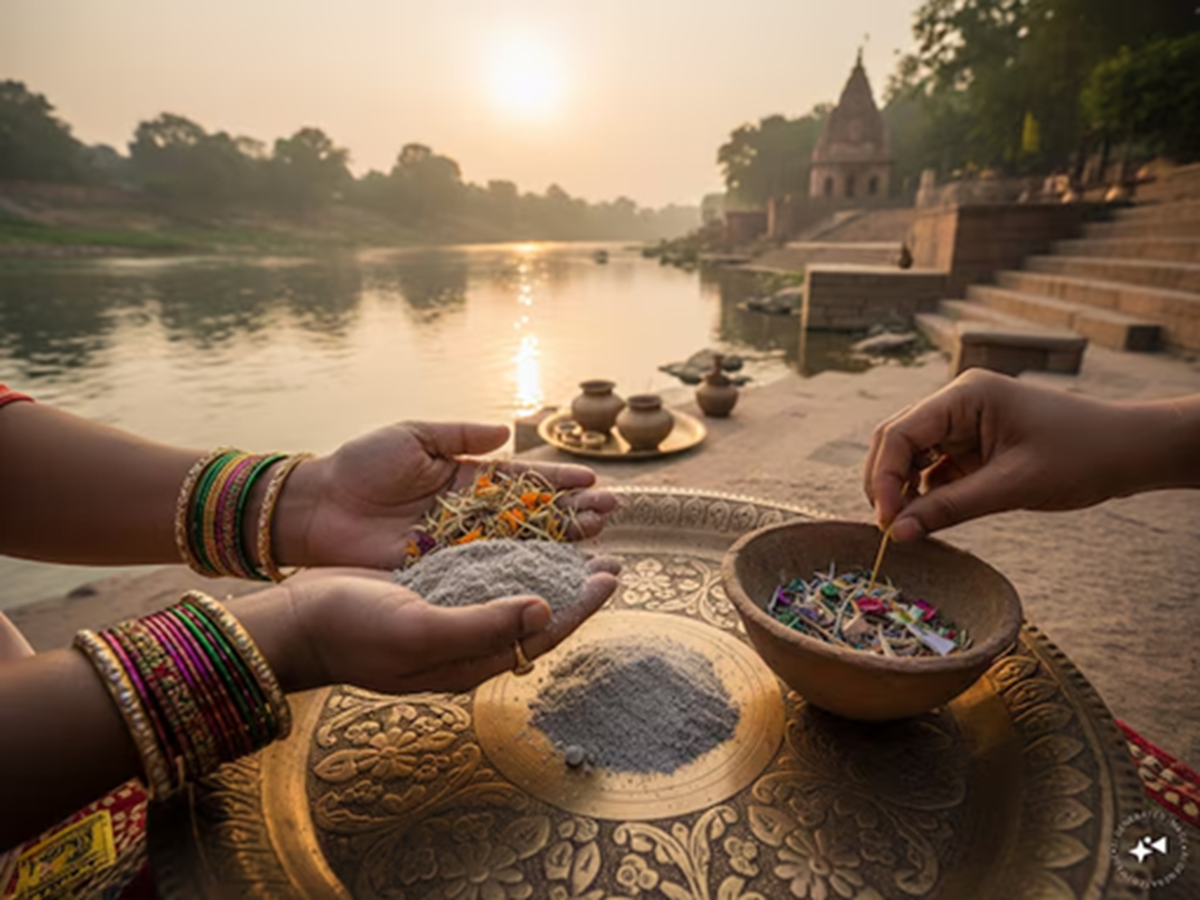
Rules Regarding Puja Ash: According to religious beliefs, worship is not limited solely to adoring the deity; every object associated with the ritual holds its own significance. Flowers, lamps, incense sticks, and the ash resulting from them are all considered worthy of reverence. However, many people who perform daily worship make a small mistake: after the ritual concludes, they thoughtlessly discard the leftover ash from incense sticks into the trash or throw it into a random corner of the house.

Astrology and religious traditions deem this practice inappropriate. It is believed that every material used in worship is imbued with positive energy and should therefore be disposed of or utilized respectfully. If you have been discarding this ash as ordinary waste, understanding the proper guidelines for handling it could be beneficial.
Why is Puja Ash Considered Sacred?
Incense sticks are considered symbols that not only fragrance the atmosphere during worship but also facilitate the flow of spiritual energy. Religious belief holds that when these materials are offered to the deity, the resulting ash becomes sacred. Consequently, it is considered better to handle it with respect rather than discarding it like ordinary trash. In many households, elders still preserve the ash left over after worship and use it for auspicious activities. This tradition symbolizes not only faith but also respect for the materials used in worship.
Immersion in Sacred Water
If there is a clean river, pond, lake, or other water body nearby, the puja ash can be respectfully immersed in it. Religious belief suggests that doing so maintains the sanctity and respect due to the ritual materials. However, ensure that only clean, natural ash is immersed; never include plastic, foil, or other waste materials with it.
Mixing with Soil in Flowerpots or Gardens is Also Considered Auspicious
If no water body is nearby, mixing the puja ash into the soil of household flowerpots or clean garden soil is considered a good alternative. It is considered particularly auspicious to add it to the soil of sacred plants like Tulsi, Peepal, or Banana. This practice not only honors religious beliefs but is also regarded as an eco-friendly approach. Many people mix it into the soil, viewing it as an organic nutrient for the plants.
**Can it be used as a *Tilak*?**
If your incense sticks (*agarbatti* or *dhoopbatti*) are made entirely from natural ingredients—such as pure cow dung, herbs, or natural wood—the resulting ash can be stored in a clean container. According to religious beliefs, applying a small amount of this ash as a *tilak* on the forehead or throat after worship brings peace of mind and fosters positive energy. However, this should only be done if the ash is derived from completely pure and natural materials.
**What precautions should be taken?**
Ash from worship rituals should never be discarded in unclean places, drains, toilets, or garbage bins; doing so is considered disrespectful to the sacred materials used in worship. If the ash contains plastic sticks, packaging, or other synthetic elements, separate them first. Only the natural ash should be used or disposed of in accordance with religious guidelines.

**Responsibility alongside faith**
In today's world, it is equally important to care for the environment while observing religious traditions. Properly utilizing or disposing of materials left over after worship not only respects religious beliefs but also prevents harm to nature. A little caution can help strike a balance between your devotion and your responsibility.
PC Social Media