
LIFESTYLE
4 out of 10 young people suffer from fatty liver; why do they fail to recognize the condition? AIIMS doctors explain..
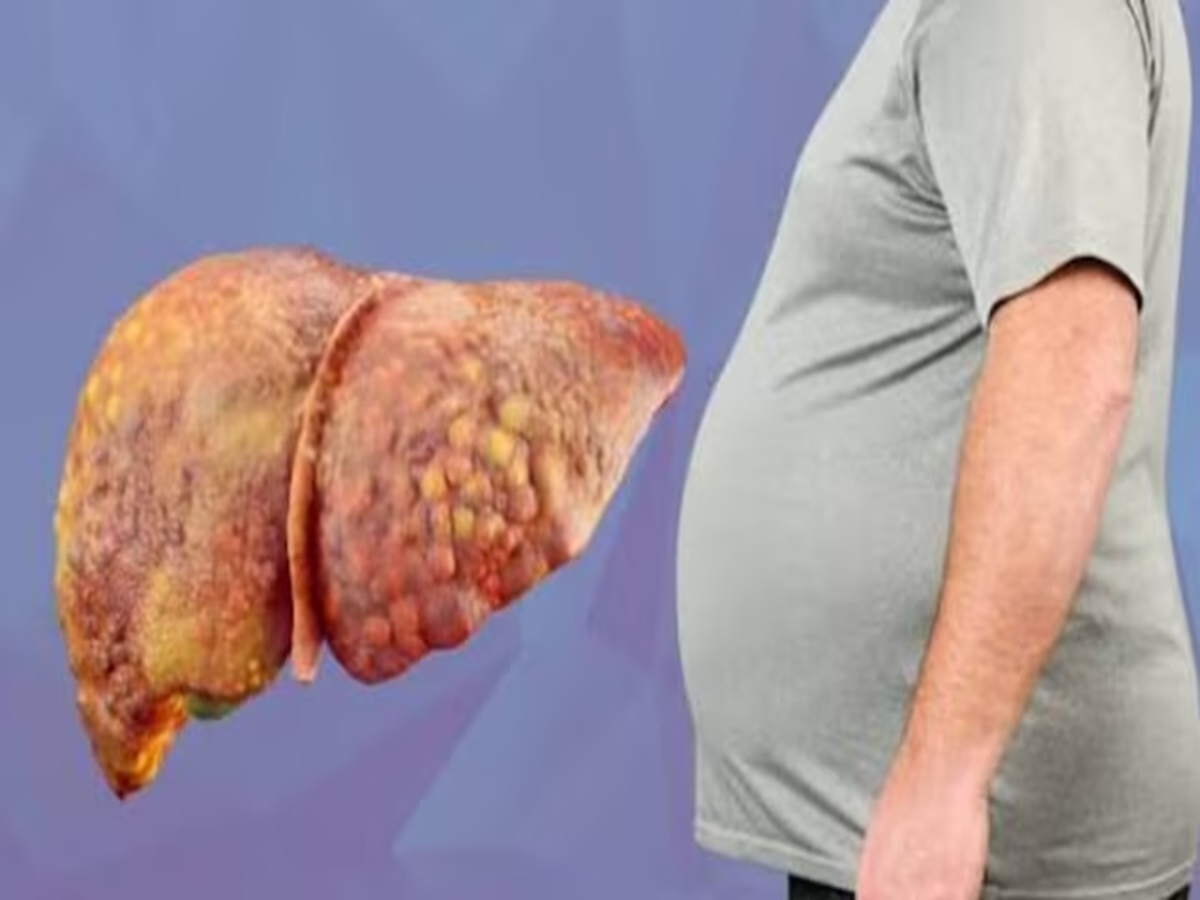
Liver and kidney-related diseases are spreading rapidly in India. Among these, fatty liver is the most common and fastest-spreading condition; patients often remain unaware of it as they gradually fall prey to the disease. A recent major study involving Indians revealed that 38.6% of the country's youth and 35.4% of children suffer from fatty liver (the accumulation of fat in the liver).
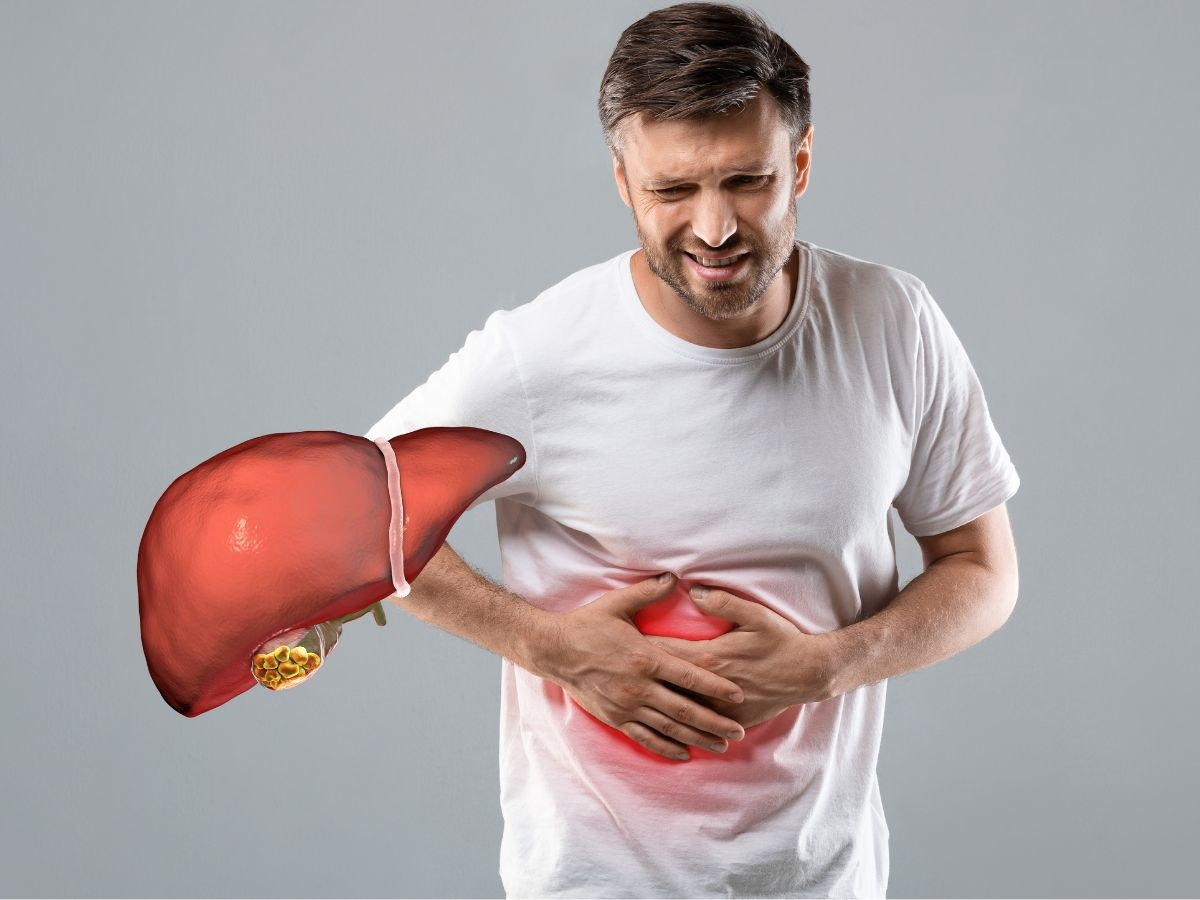
Regarding the large number of people grappling with fatty liver, experts state that the biggest concern is that individuals fail to recognize the disease from its early symptoms. Why is this the case?
Dr. Pramod Garg, Head of the Department of Gastroenterology and Human Nutrition at AIIMS, explained that according to the new study, approximately 4 out of 10 young people today have excess fat accumulated in their livers. It is also concerning that the disease is no longer limited to adults but is rising rapidly among young children, with 3 out of 10 children suffering from fatty liver issues.
**Liver disease spreading like an epidemic**
Dr. Garg adds that India is going through an epidemic-like phase. While significant progress has been made in controlling infectious diseases, metabolic disorders—which previously received less attention—are on the rise despite improvements in awareness, vaccination, and lifestyle.
**Why is fatty liver on the rise?**
He notes that fatty liver has become a major problem. There are several reasons for this increase, the most significant being that people fail to recognize the symptoms, often dismissing the condition as mere obesity.
According to the AIIMS study, the disease is linked to obesity and high blood pressure. Individuals with high blood pressure or diabetes face an increased risk of developing fatty liver.
Often, the disease silently damages the liver. According to experts, India is now grappling with metabolic issues like fatty liver, alongside colorectal cancer, *Helicobacter pylori* infections, and other intestinal diseases.
A study revealed that liver fibrosis was found in 9 percent of patients with Type-2 diabetes.
Non-alcoholic fatty liver disease is also rising rapidly in India, driven by lifestyle factors.
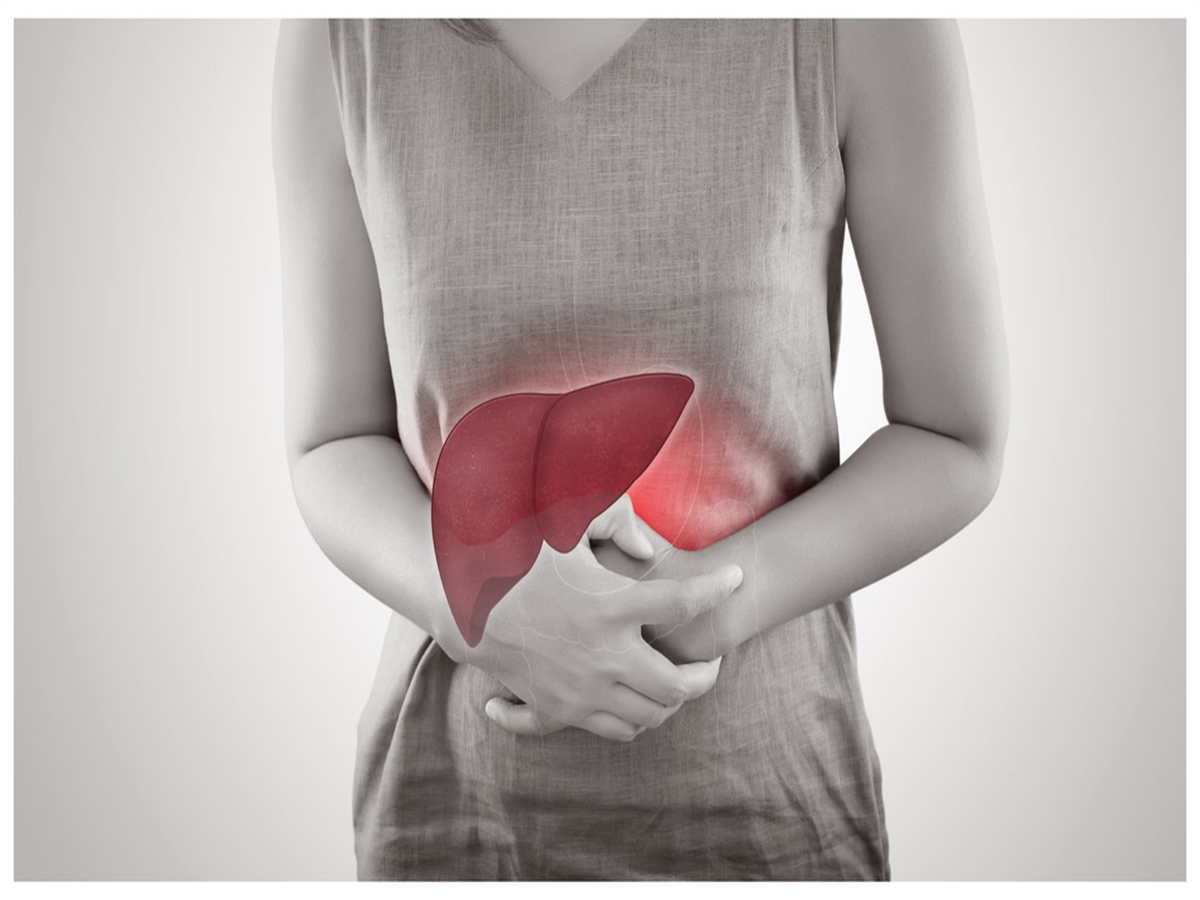
What symptoms should one look out for?
Dr. Garg stated that this disease can be easily detected in its early stages; timely treatment can prevent severe complications.
Key symptoms include blood in the stool, changes in bowel habits, persistent fatigue, and unexplained weight loss.
Dr. Govind Makharia, a Professor of Gastroenterology at AIIMS, notes that while gastrointestinal problems have always existed in India, a lack of technology has often prevented us from taking these symptoms as seriously as necessary—a step crucial for ensuring timely treatment.
PC Social Media