Food & recipe
6 Smart Ways to Save Cooking Gas: These Kitchen Hacks Will Make Your LPG Cylinder Last Longer..
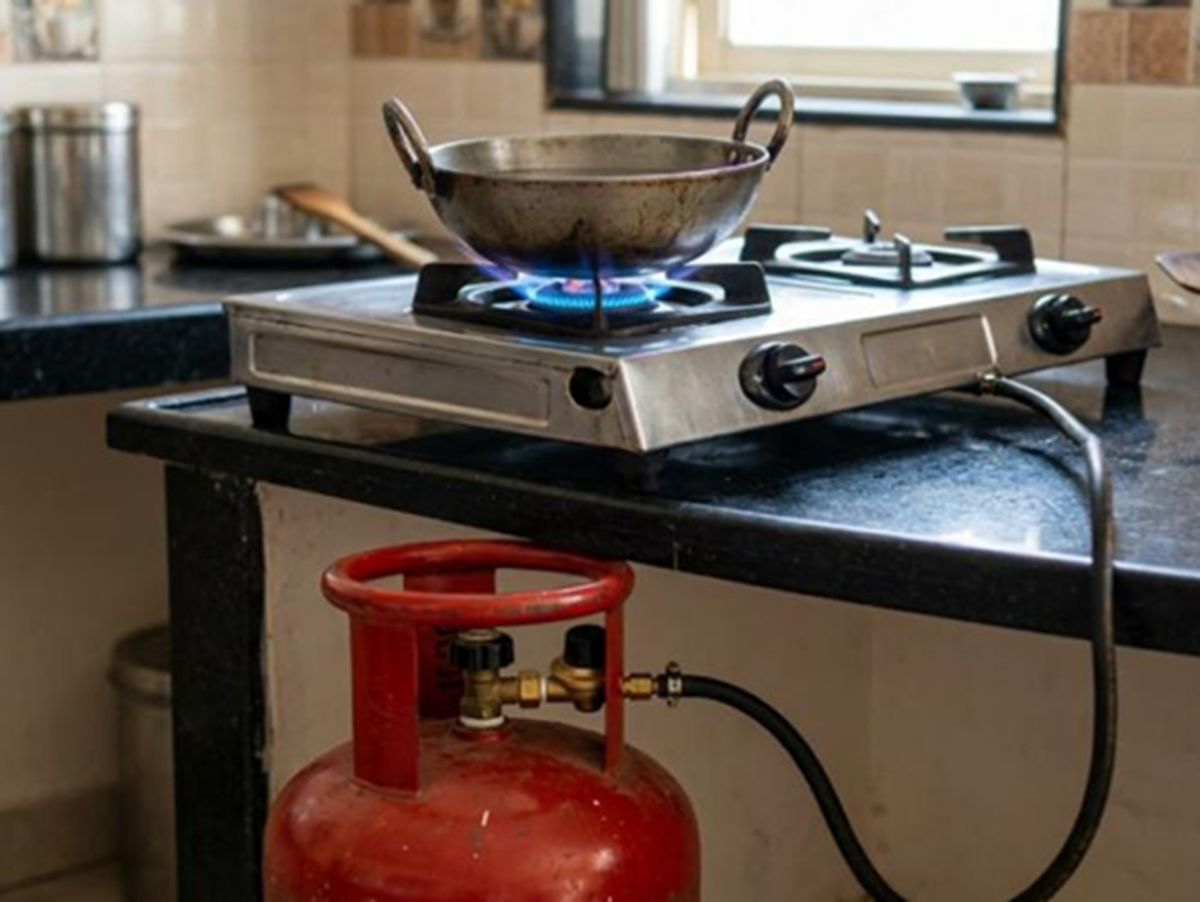
The ongoing conflict between Iran and the Israel-US axis has created turbulence in the global energy market. In particular, disruptions to supplies passing through the Strait of Hormuz have impacted the availability and pricing of LPG in India.
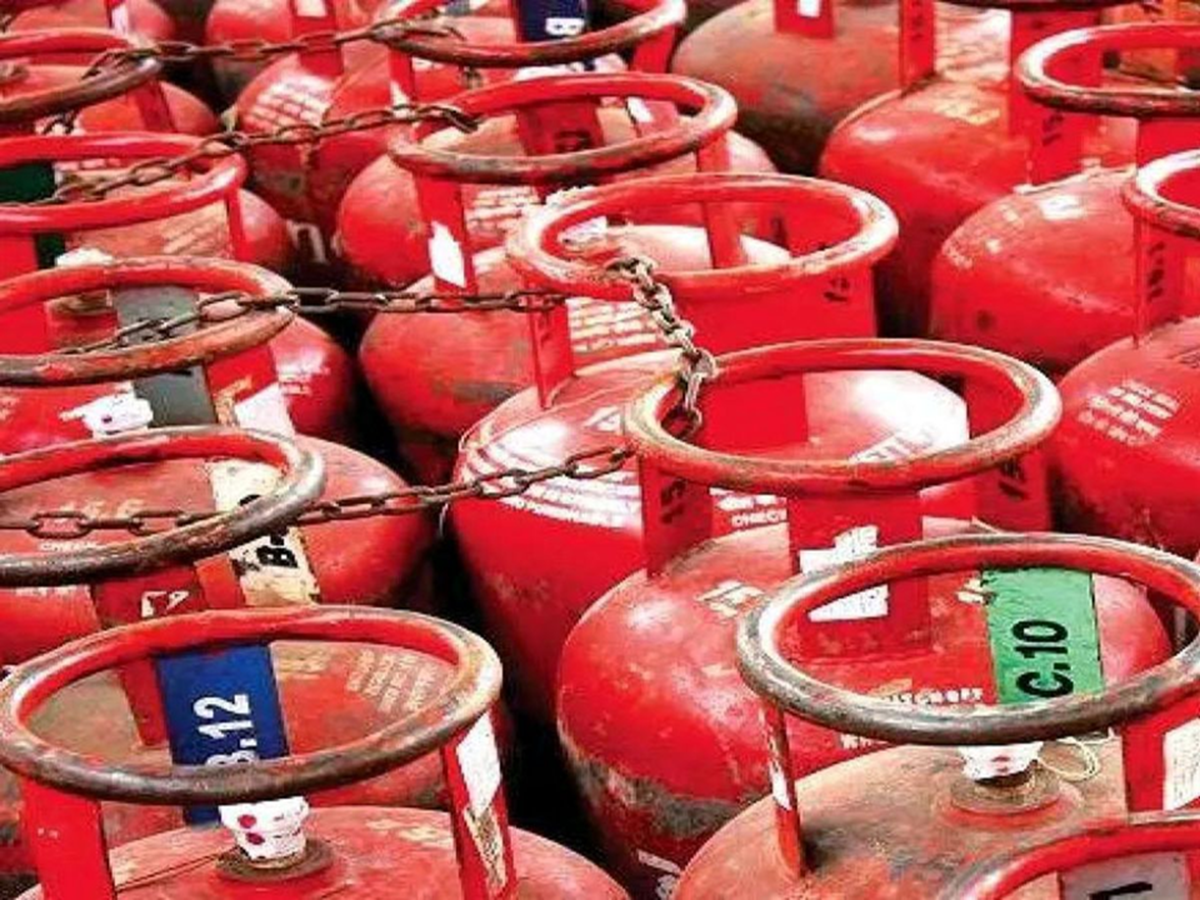
This instability is affecting LPG supply chains. Although the government is striving to ensure 100% supply for domestic consumers—and has even implemented a 25-day inter-booking interval—it has become imperative for every household to exercise caution and conserve gas in the times ahead. Let us explore some effective methods to utilize LPG economically at home.
Maximize the Use of Pressure Cookers
The easiest and most effective way to save gas is by using a pressure cooker. Cooking lentils, rice, and vegetables in a cooker—rather than in open vessels—not only saves time but also results in gas savings of 20–30%.
Preparation Before Cooking
We often tend to light the gas stove before we have finished chopping vegetables or locating spices. To prevent gas wastage, ensure that all vegetables are chopped, spices are kept close at hand, and all necessary ingredients are prepared *before* lighting the burner. This ensures that gas is not burned unnecessarily, leading to savings.
Cook with Covered Vessels
Cooking in open vessels allows heat to escape in the form of steam, causing the food to take longer to cook. Always cook with a lid placed over your pan or *kadhai* (wok). This traps the steam inside, allowing the food to cook in a shorter amount of time.
Cleaning Burners and Utensils
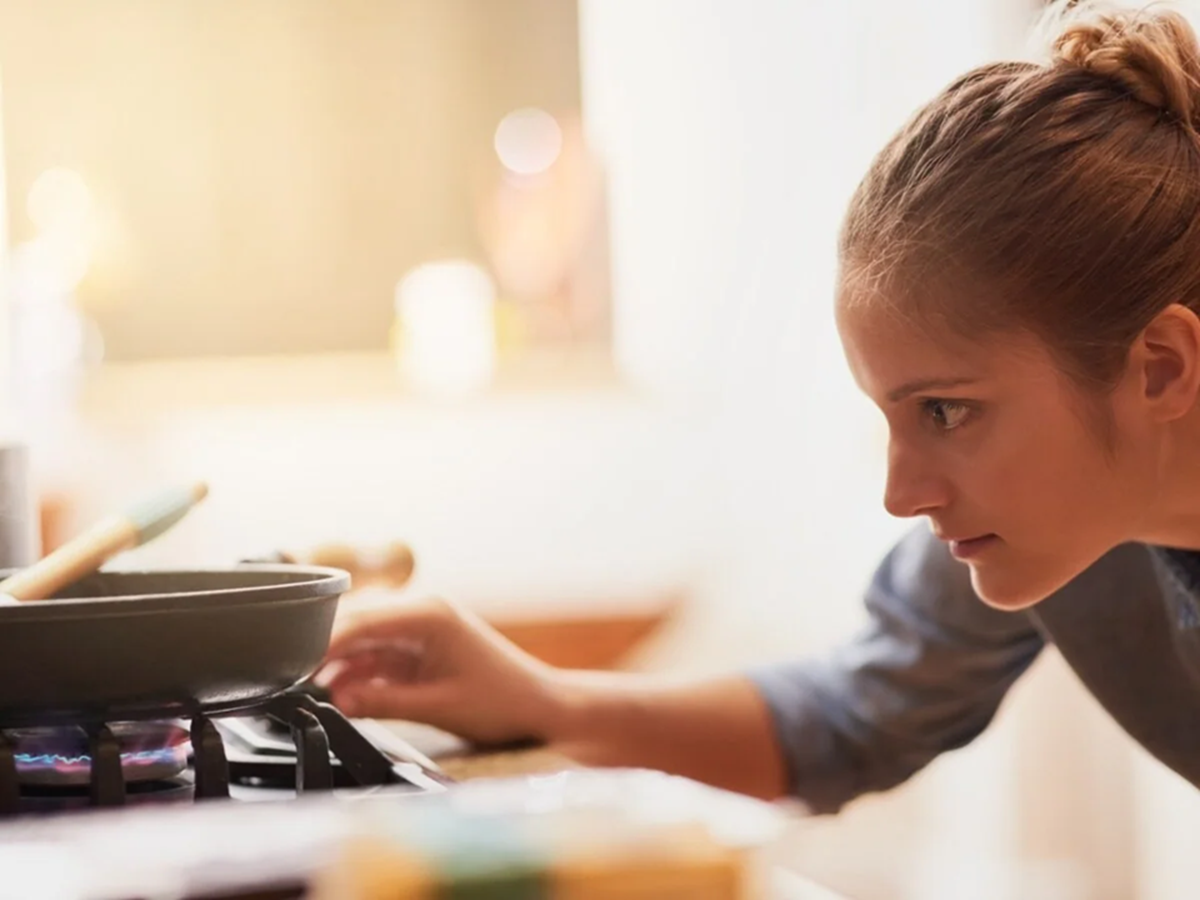
A dirty or clogged burner increases gas consumption. If your gas flame appears yellow or orange instead of blue, it indicates that the burner requires cleaning. Additionally, wipe wet utensils dry before placing them on the stove so that extra gas is not wasted merely to evaporate the water.
Choose the Right Flame and Utensils
Always adjust the burner and flame intensity to match the size of the cooking vessel being used. Pots and pans with wide, flat bottoms absorb heat from the burner more efficiently. Additionally, keep the flame at a medium or low setting while cooking; a high flame often escapes around the sides of the vessel, resulting in wasted energy.
Use of Electric Appliances
If you own an induction cooktop, rice cooker, or electric kettle, make greater use of them. For tasks such as boiling water or heating milk, using an electric kettle can prove highly effective in saving gas.
PC Social Media