Doctor's Tips on Monsoon-Related Illnesses in Children: Hospitals and clinics across Delhi-NCR are currently witnessing a sharp rise in the number of children suffering from fever, cough, and various infections. Not only are children falling seriously ill, but school attendance is also being directly affected. In light of the current situation, Dr. Prashant Tyagi (Consultant Pediatrician and Allergist, Sitaram Bhartia Institute of Science and Research, Delhi) has shared specific health guidelines for parents regarding four major monsoon-related diseases and how to prevent them.
Alarming figures regarding Swine Flu and Dengue have emerged from Delhi-NCR. According to Health Department data, 1,344 cases of H1N1 have been recorded in Delhi so far this year—nearly six times higher than the 229 cases reported during the same period last year. Meanwhile, Dengue cases are also steadily rising. With over 205 cases reported by July, the Delhi government and the Union Health Ministry have intensified surveillance and mosquito control measures. Furthermore, cases of Hand, Foot, and Mouth Disease (HFMD) and typhoid—caused by contaminated food and water—are rapidly increasing among young children.
Symptoms and Red Flags for these 4 diseases:
According to the doctor, parents must recognize the early symptoms and danger signs associated with these illnesses:
1. H1N1 (Swine Flu): Fever, cough, sore throat, and severe body ache.
Red Flags: Difficulty breathing, chest pain, bluish lips, or extreme lethargy. (Children under 5 years of age are at higher risk).
2. Dengue: High fever, headache, vomiting, and rashes on the body.
Red Flags: Severe abdominal pain, persistent vomiting, and bleeding from the gums or nose.
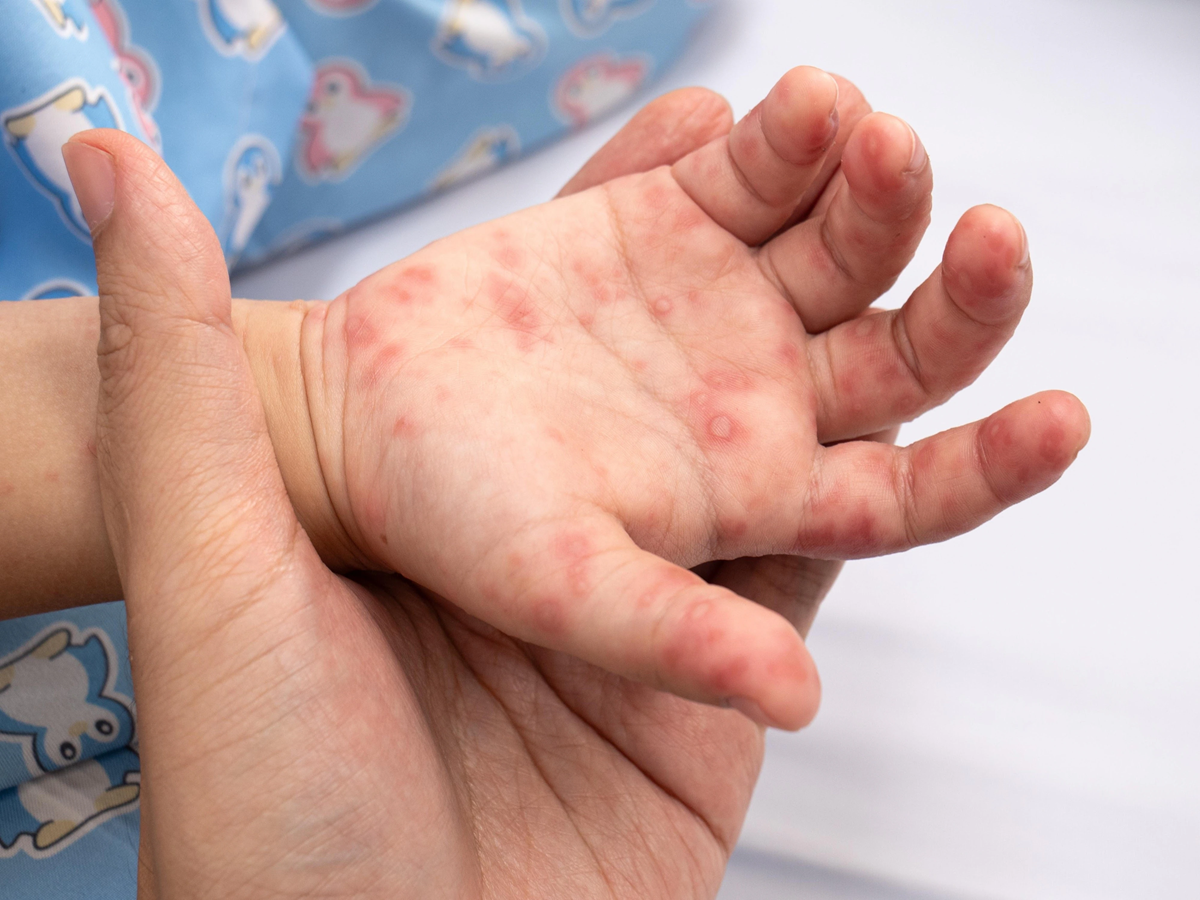
3. HFMD (Hand, Foot, and Mouth Disease):
Fever, mouth sores, and red rashes on the palms and soles.
Warning sign: The child being unable to drink water or fluids due to the sores, leading to dehydration.
4. Typhoid: Persistent high fever, headache, weakness, and stomach issues. It primarily spreads through contaminated water and uncovered food.
Strict advice from the doctor—
Dr. Tyagi advises parents against playing doctor themselves or undergoing unnecessary tests out of panic:
Antibiotics aren't needed for every fever: Most monsoon fevers are viral. Administering antibiotics without medical advice is harmful to the child's health and immunity.
Avoid unnecessary tests: It is not necessary to run CBC, CRP, dengue, or typhoid tests for every fever. Doing so increases mental stress and the risk of incorrect treatment.
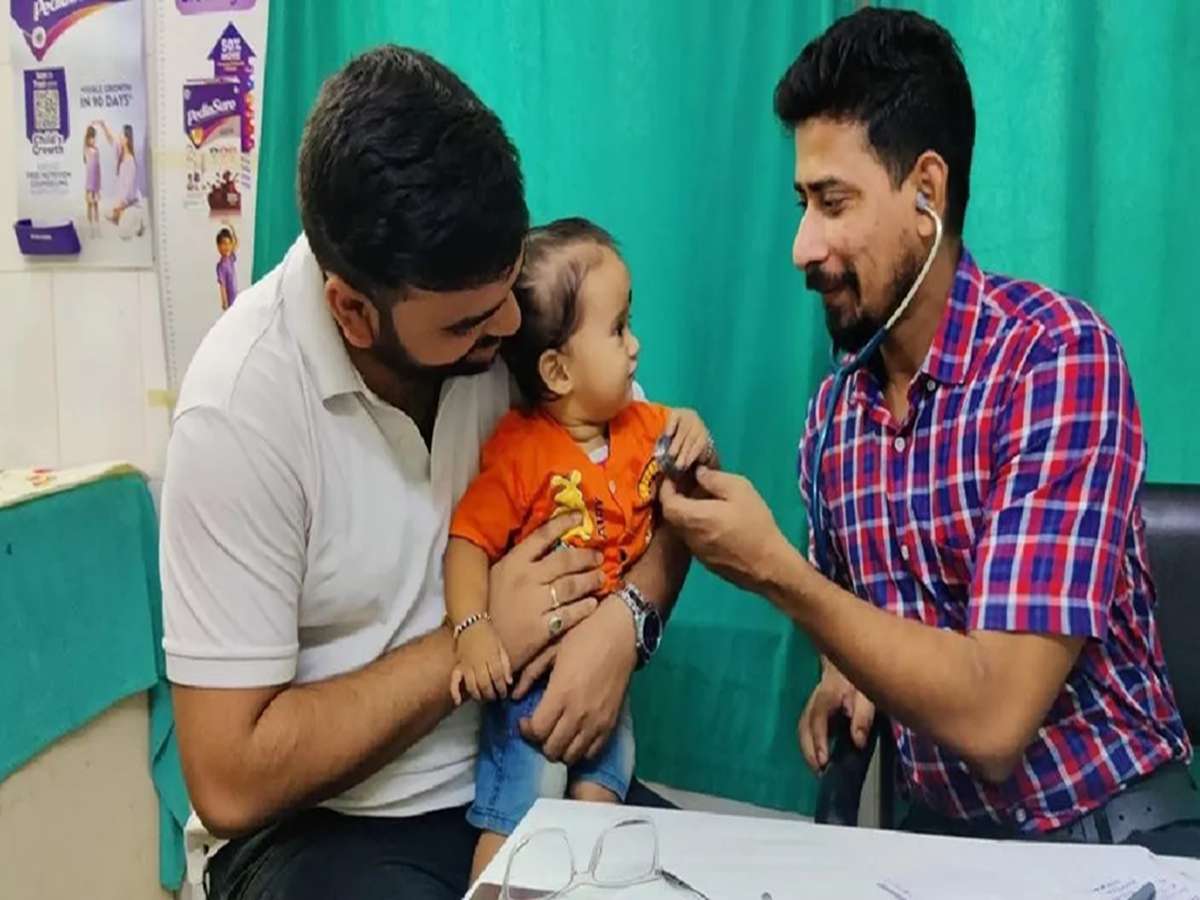
Opt for tele-consultation: If symptoms are mild, consult your pediatrician via phone or online first. This helps avoid crowds at clinics or hospitals.
Do not send a sick child to school—
Parents often send sick children to school to avoid missing out on studies or exams. Doctors consider this a major mistake. According to Dr. Tyagi, "If a child has a fever, diarrhea, vomiting, or a contagious rash, keep them at home. Keeping a sick child home isn't about missing studies; it's about protecting the entire class and school from infection." Doctors advise informing the school administration immediately if a child is sick so that other children can be protected in time.
5 essential rules for prevention—
Hygiene is crucial: Teach children to wash their hands frequently and cover their mouths when coughing or sneezing.
Protection against mosquitoes: Dress children in full-sleeved clothing and prevent water from stagnating in or around the house. Safe Dietary Habits: Offer only boiled or clean water, and strictly avoid uncovered or stale food from outside sources.
Flu Vaccination: Keep flu vaccinations (Influenza Vaccine) up to date in consultation with a doctor.
Remember, vigilance, proper treatment, and a little caution serve as the best shield for our children during this season! Instead of panicking or fearing illnesses like Dengue, Swine Flu, HFMD, or Typhoid, taking the right steps at the right time ensures true protection.
Avoid administering antibiotics without medical advice or undergoing unnecessary medical tests, and allow the child to rest at home if they are unwell. A responsible decision by parents will not only help their own child recover quickly but also keep other children in school and the community safe.
PC Social Media