LIFESTYLE
Are you paying more just because of the color pink? Understand the meaning of the pink tax..
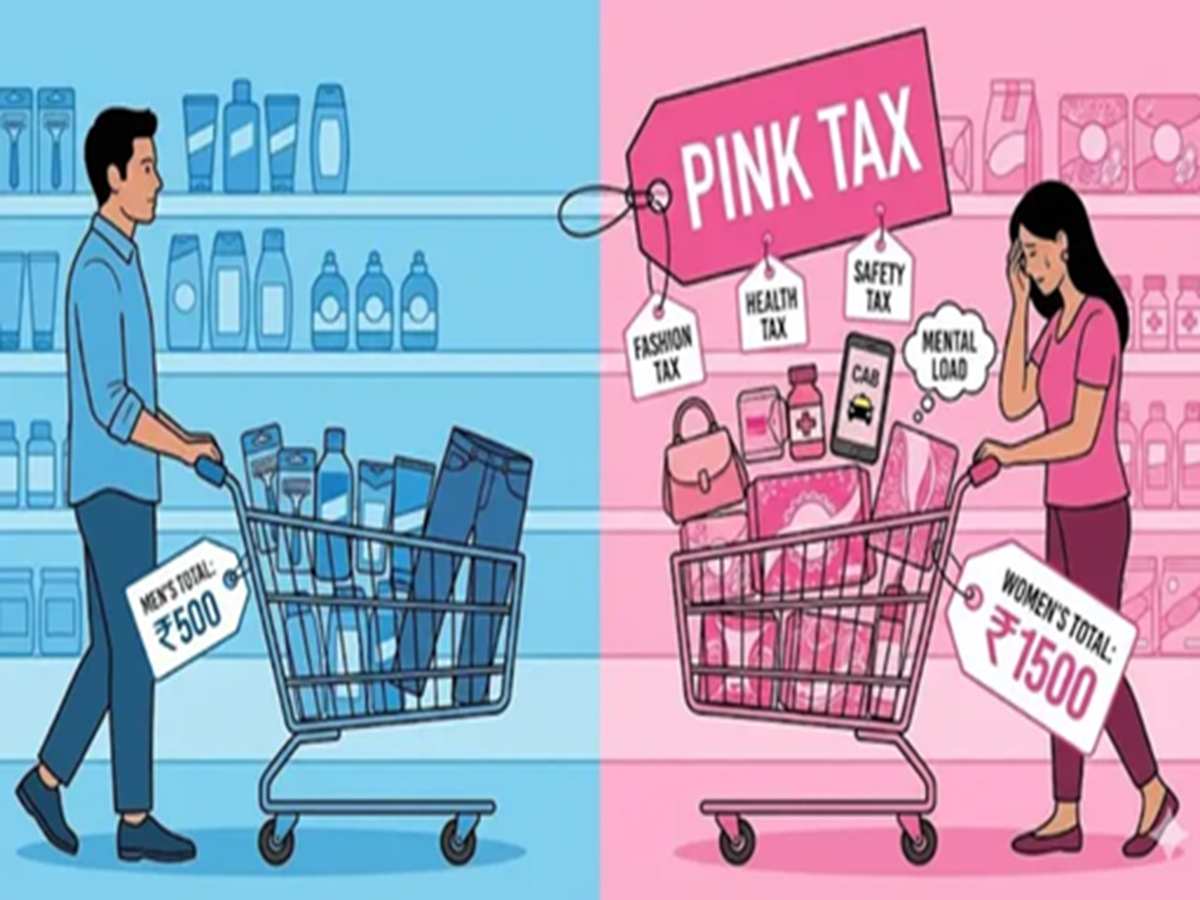
You and a male friend buy a razor, perfume, or a simple T-shirt from the same company. The quality and weight are the same, except that the product for you is pink or says "For Women" on it.
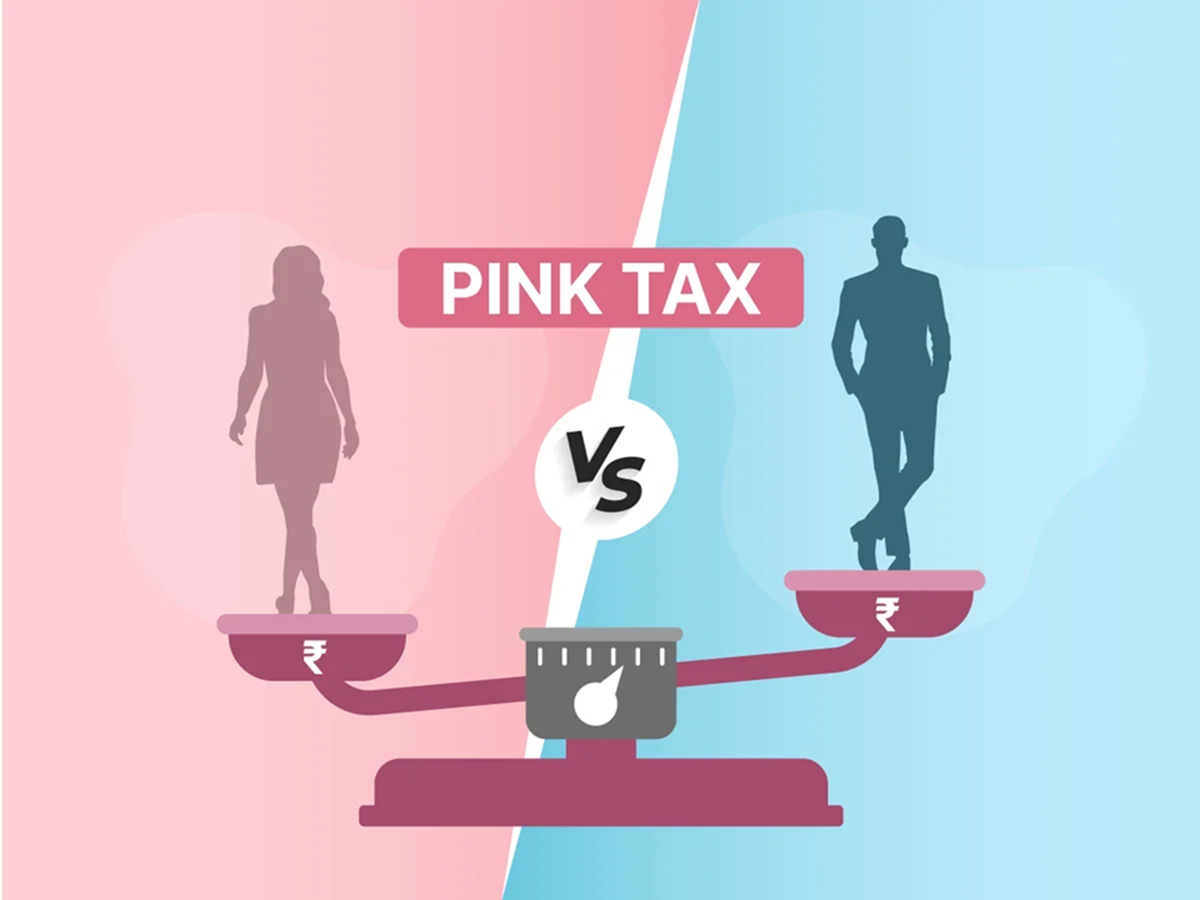
When you pay the bill, you realize you paid 10% to 20% more than your friend. This difference is called the Pink Tax.
The Pink Tax is not an official government tax, but rather a market strategy that prices products and services designed for women higher than similar products for men.
Where do you have to pay the Pink Tax?
This hidden tax is present in almost every aspect of our everyday lives.
Personal care products—soap, shampoo, razors, and deodorants—are prime examples. Women's razors are often sold at a higher price than men's razors solely based on color and packaging.
Clothing and Laundry - Women are often charged higher prices for their clothing, often due to tailoring or design. Even at a dry cleaning shop, cleaning a woman's shirt can cost more than a man's.
Salon Services - Women pay several times more than men for a simple haircut, even if the hair is short.
Children's Toys - Pink toys or bicycles made for girls are more expensive than similar toys made for boys.
How do companies justify this?
Companies argue that women's products require more detail, different fragrances, or special packaging. They attribute this to marketing costs and customization. In reality, this is a way to take advantage of women's shopping habits and the social pressure to look better.
Increasing Pressure Due to Pay Disparity
This isn't just a difference of a few rupees. A woman spends millions of rupees more in the form of pink taxes over her lifetime. It is also surprising that due to pay disparity across the world, women are paid less than men for the same work, but they have to pay more for their basic needs.
PC Social Media