Business
Attention UPI users at petrol pumps! How will bills exceeding ₹2,000 be affected when getting a full tank?
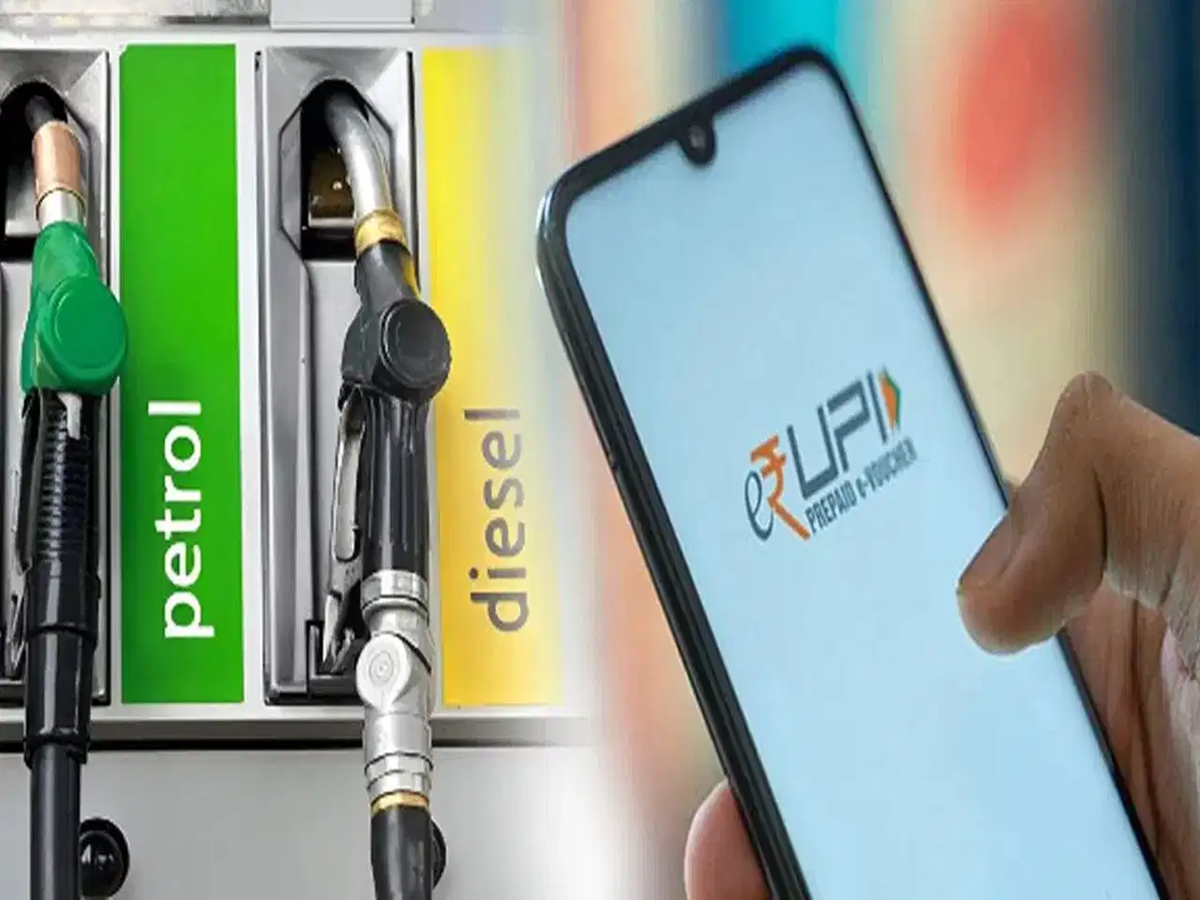
With the new UPI Merchant Discount Rate (MDR) rules coming into effect on October 15, the confusion among motorists regarding digital payments at petrol pumps has been cleared up. In accordance with National Payments Corporation of India (NPCI) guidelines, a special concessional structure has been established for fuel stations. Under this, a flat MDR fee of ₹5 has been set for fuel payments exceeding ₹2,000—replacing the standard 0.4% rate—while all UPI transactions up to ₹2,000 will remain completely free of charge. Most importantly, this merchant fee will not place a direct burden on customers; consumers will not be charged any additional service charges or fees when filling up their fuel tanks.
Recognizing the high transaction volume and low margins in the fuel sector, the NPCI introduced this flat-fee arrangement for petrol pump dealers to ensure that the momentum of digital payment adoption does not slow down. While general large merchants are required to pay an MDR of 0.4% (capped at ₹300) on payments exceeding ₹2,000, fuel outlets have been granted significant relief with a flat rate of just ₹5. This arrangement will be settled between petrol pump owners and banks, allowing motorists to continue making payments by scanning QR codes without worrying about any additional financial burden.
How much will you have to pay at the petrol pump?
The National Payments Corporation of India (NPCI), which developed and operates UPI, stated that a flat MDR of ₹5 will apply to UPI payments exceeding ₹2,000 for fuel purchases at petrol stations.
The NPCI stated that a flat concessional rate of ₹5 would apply to UPI payments over ₹2,000 for fuel purchased at petrol stations. This flat fee of ₹5 will protect petrol pump operators from the higher processing fees typically associated with tank refills. The MDR will be zero for fuel payments below ₹2,000. This means no charges will apply to daily refueling transactions below this amount. The NPCI also clarified that fuel station operators will not have to pay any MDR on these transactions.
What about insurance payments?
Concessional rates will also apply to insurance premium payments made via UPI. For premiums exceeding ₹2,000, a flat MDR of ₹5 per transaction will apply instead of a percentage-based charge. The NPCI stated that this ensures policyholders making high-value annual or semi-annual insurance payments do not face hefty backend fees. Meanwhile, insurance companies will benefit from low-cost digital collections.
Most UPI transactions will remain free
The Ministry of Finance stated that the new rule will not affect person-to-person (P2P) transactions. UPI will remain completely free for P2P payments, regardless of the transfer amount. Merchant payments up to ₹2,000 will also remain free, as will transactions covered under the zero-MDR rule for small merchants. Consequently, approximately 96 percent of all person-to-merchant transactions will remain unaffected. The new MDR will apply only to specific merchant transactions exceeding ₹2,000.
End of the zero-MDR regime
The new framework abolishes the zero-MDR regime that had been in place since January 2020. This system was introduced to promote digital payments, but banks and fintech companies had long criticized it, deeming it unsustainable. The new framework applies different rates for various types of merchant payments, while keeping person-to-person UPI transactions free.
PC Social Media