
LIFESTYLE
Diabetes: Why make repeated trips to the doctor just to keep your blood sugar under control? Here are some simple remedies..
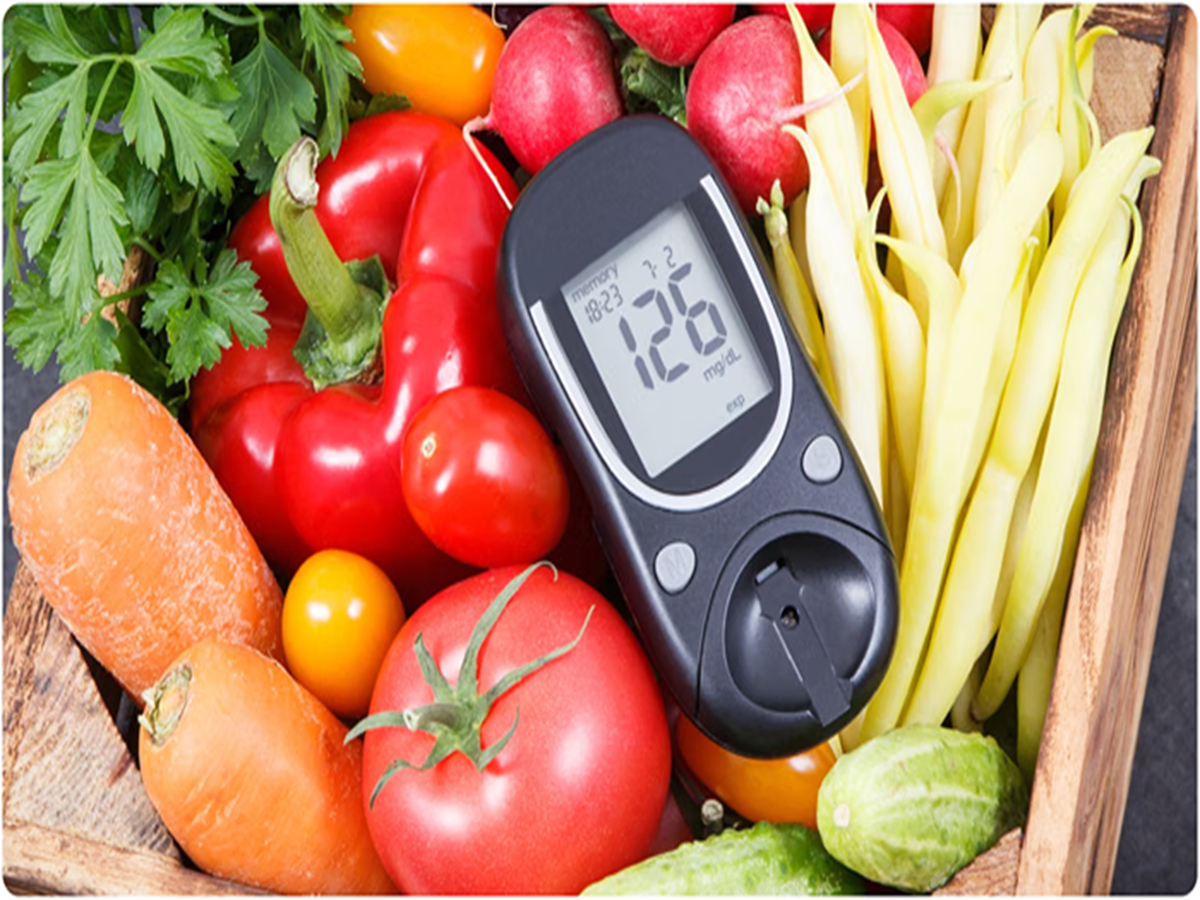
Diabetes has now become a problem in almost every household. Statistics indicate that India ranks second globally in terms of the number of adults suffering from diabetes. According to estimates by the International Diabetes Federation, the total number of adults with diabetes in the country exceeds 100 million (10 crore), while approximately 136 million (13.6 crore) people suffer from pre-diabetes.
Health surveys reveal that more than 50% of people with diabetes are unaware of their condition. Among those who are diagnosed, fewer than half manage to achieve target glycemic control (the desired blood sugar level).
Health experts state that since the disease is now being observed across all age groups, measures to control diabetes should be initiated early in life. We often take various medications and consult numerous doctors to manage blood sugar levels. However, did you know that you can easily control blood sugar using items readily available at home?
When blood sugar levels rise, the first piece of advice is usually to give up sweets. But is eliminating sugar alone enough to control the condition?
Health experts point out that the rotis, rice, breakfast foods, fruits, and other items we consume daily also impact blood sugar levels. The good news is that you do not always need to purchase expensive foods or specialized dietary products to manage blood sugar; ingredients found in your kitchen can also be effective.
Include Pulses and Chickpeas in Your Diet
Lentils (such as moong and masoor), chickpeas (chana), kidney beans (rajma), and other beans are rich in fiber and protein. Fiber slows down the rate of digestion, thereby reducing the risk of a rapid spike in blood sugar levels after meals.
These foods are also excellent sources of protein, which is essential for maintaining good health. Pair your lentils (dal) with a vegetable dish and a limited portion of roti or rice.
Avoid using excessive oil and salt in your cooking.
Make green vegetables a part of a balanced diet.
Spinach, bottle gourd (lauki), okra (bhindi), and other non-starchy vegetables are excellent sources of fiber, vitamins, and minerals. They are generally low in calories and carbohydrates. Several studies suggest that drinking okra water can be beneficial for people with diabetes.
Fill half your plate with vegetables, one-quarter with protein-rich foods, and the remaining quarter with grains. This helps ensure your body easily gets the essential nutrients it needs.
Whole grains and seeds are also essential.
You can easily meet your fiber requirements with oats, broken wheat (dalia), and whole grains. Similarly, flaxseeds and chia seeds are good sources of fiber. Including them in your diet helps maintain good health. Fiber-rich foods are considered crucial for managing diabetes.
Opt for whole grain products instead of refined flour (maida) and highly refined grains.
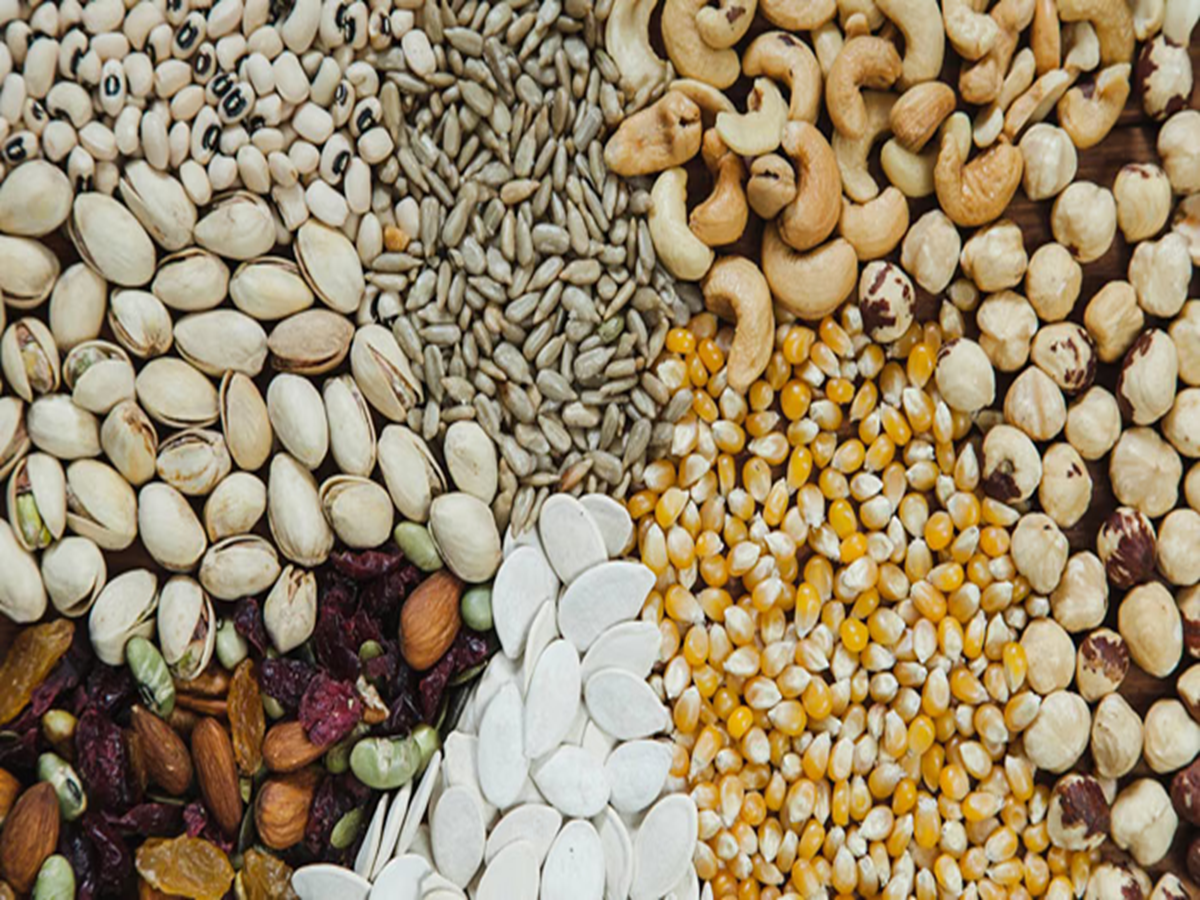
Consume seeds and nuts, but be mindful of portion sizes, as some are high in calories.
Do not assume a packaged product is healthy simply because it is labeled "multigrain" or "brown"; always check the nutritional label.
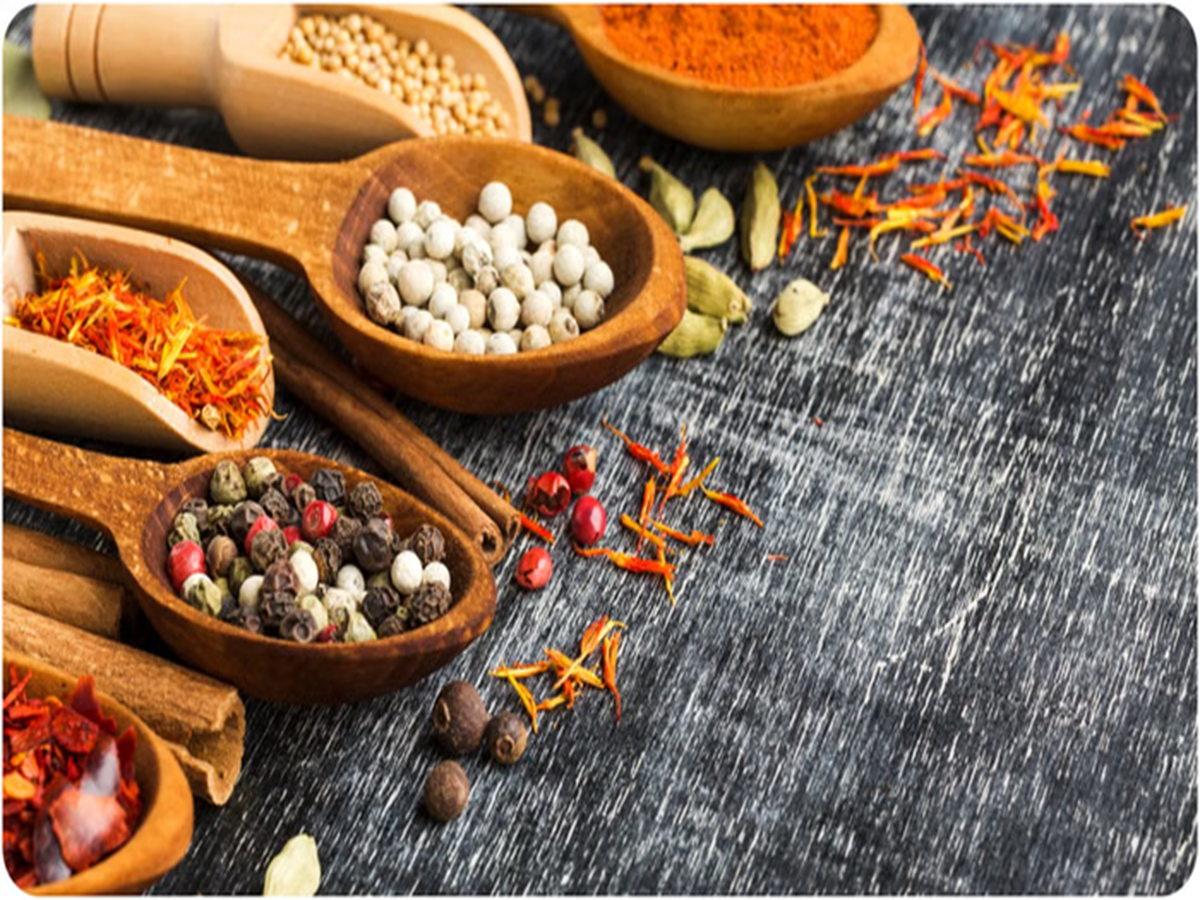
Kitchen spices can also help control blood sugar levels.
Common kitchen spices can play a supportive role in managing diabetes.
Cinnamon: Can help improve insulin sensitivity.
Fenugreek seeds (Methi dana): Contain fiber, which can slow down the rise in blood sugar levels after a meal.
Turmeric: Contains curcumin, which has anti-inflammatory properties.
Cumin (Jeera): Beneficial for digestion; some studies indicate it may also help lower blood sugar levels.
PC Social Media