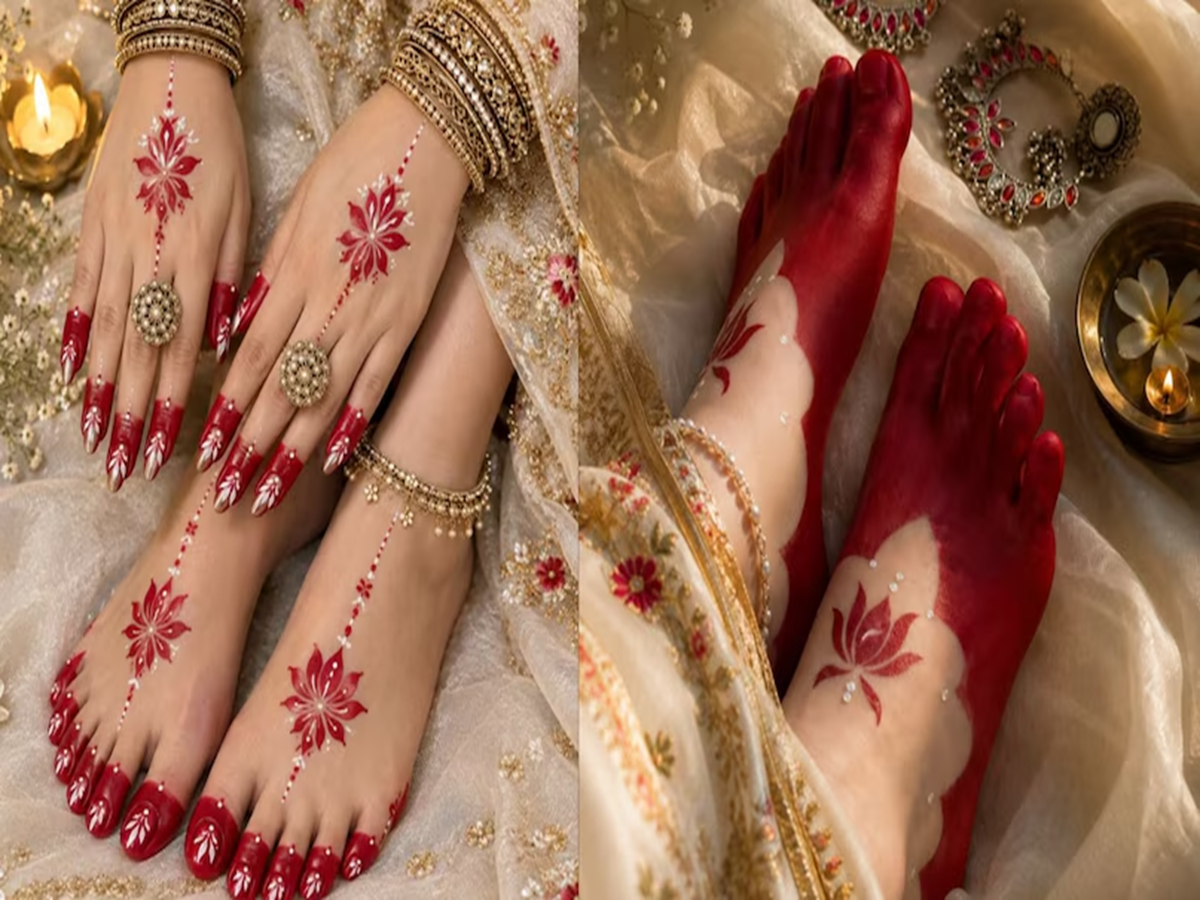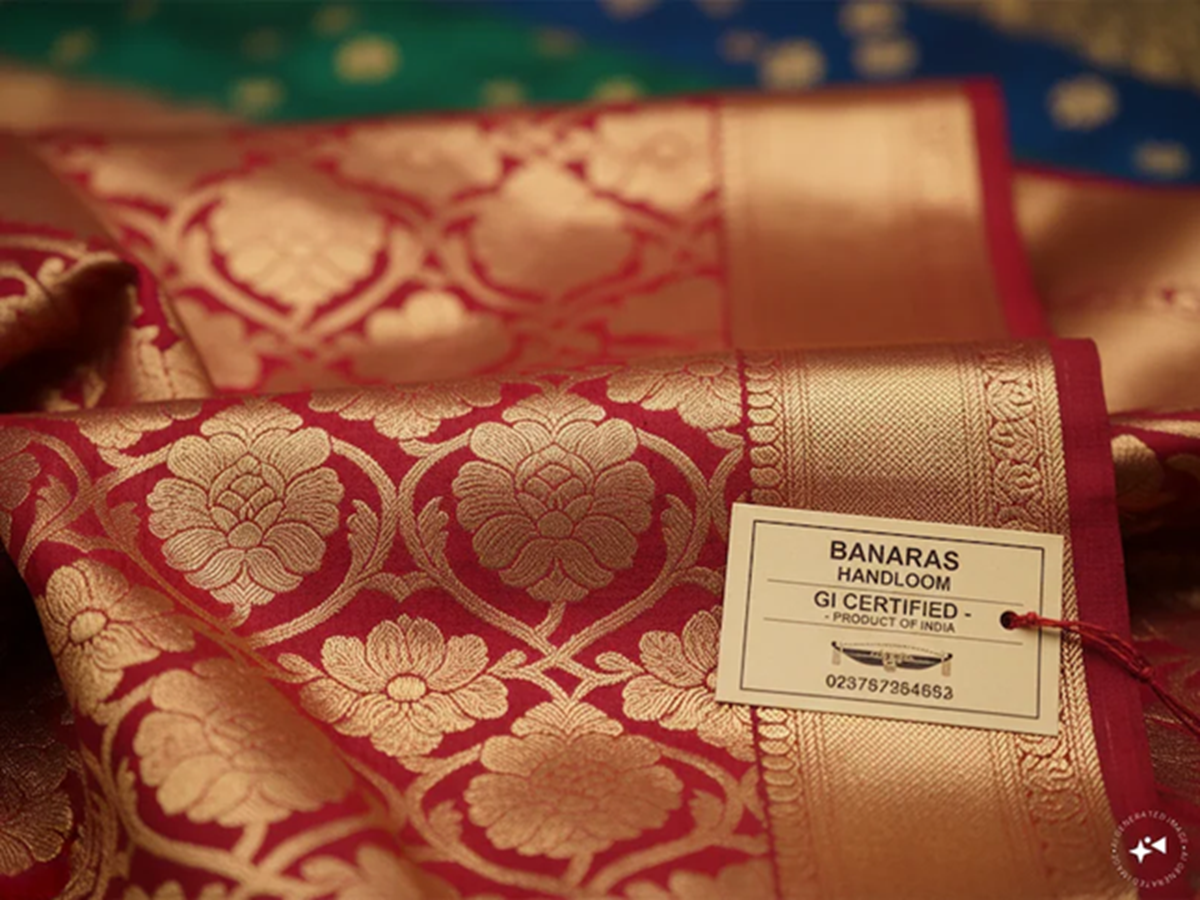
Facts About Banarasi Sarees: The Banarasi saree is considered one of India's most renowned and traditional sarees. Its beauty, fine weave, and magnificent *zari* (metallic thread) work give it a distinctive identity. Produced in Varanasi (Banaras), Uttar Pradesh, this saree is not only a top choice for Indian women but is also in high demand internationally. If you are planning to buy a Banarasi saree, here are some important things you should know.
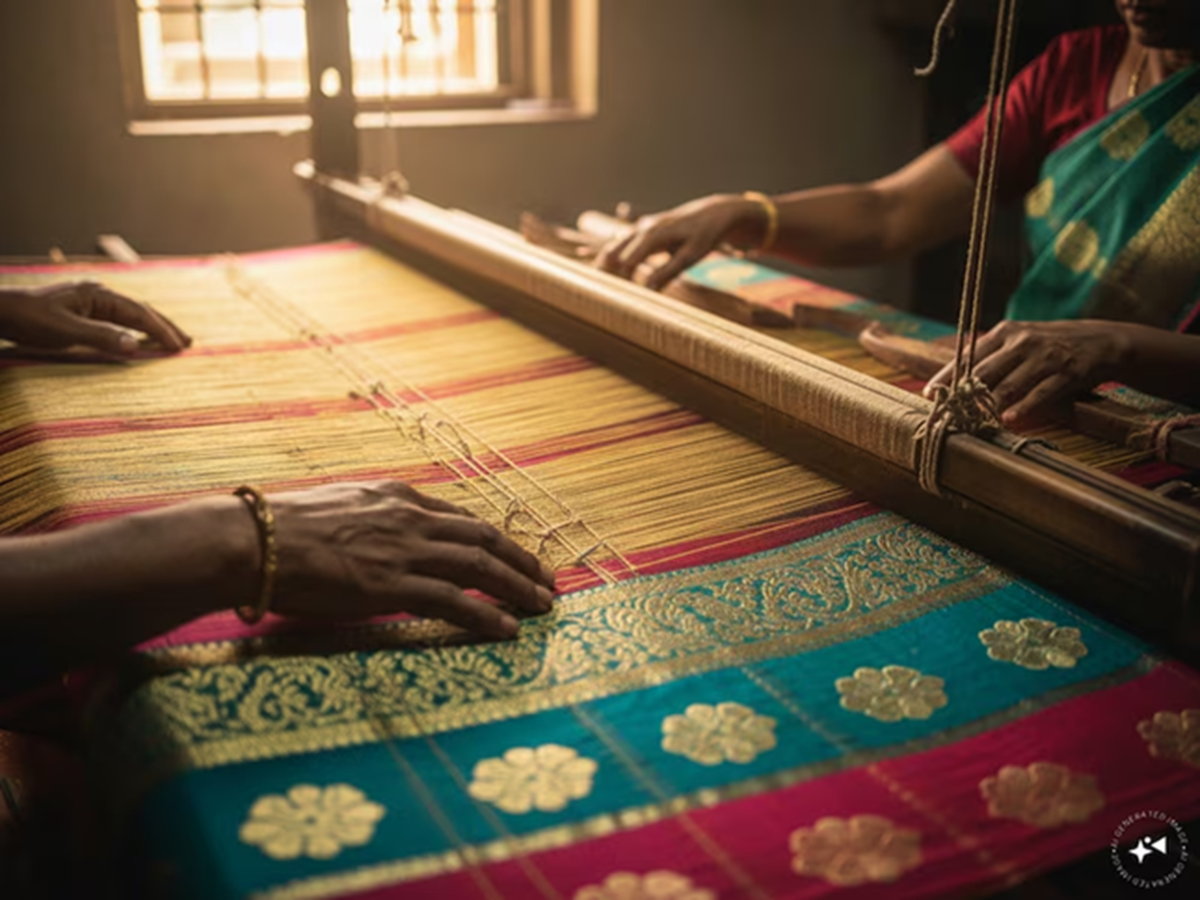
Wearing a Banarasi saree on special occasions—whether weddings or festivals—is seen as a symbol of elegance and tradition. However, the market is flooded with both authentic and imitation Banarasi sarees, making it difficult for many to distinguish the real thing. If you are planning to purchase one, here is how you can identify an authentic Banarasi saree.
How long does it take to make a Banarasi saree? Crafting an authentic Banarasi saree involves the artisans' hard work, time, and centuries-old weaving artistry. The more intricate the design, the longer it takes to create. While some sarees can be completed in 15 days, those with highly detailed designs may take several months to finish.
How is an authentic Banarasi saree made? First, designers create the traditional patterns that will feature on the saree. These include motifs such as flowers, leaves, vines, paisleys, and designs inspired by Mughal art. These designs are then converted into weaving patterns using Jacquard cards or modern digital technology.
In the next stage, high-quality silk threads are dyed in various colors and prepared for weaving. Simultaneously, *zari* threads are prepared separately. Traditionally, *zari* featured a coating of gold or silver, though modern *zari* is also used in many sarees today.
Following this, the longitudinal threads (warp) are carefully set up on the handloom. This process is quite time-consuming and can span several days. Skilled artisans then weave silk and *zari* threads together to create the saree. Intricate designs—such as *kalga*, *bel*, *butidar*, and *jaal*—are woven directly into the fabric rather than being printed or embroidered later. Often, two artisans work together to craft a single saree.
How can one identify an authentic Banarasi saree? Genuine Banarasi sarees may exhibit slight irregularities due to hand-weaving, which are considered a hallmark of their authenticity. The threads of the design are visible on the reverse side of the saree, whereas machine-made sarees tend to have a cleaner, more uniform finish on the back.
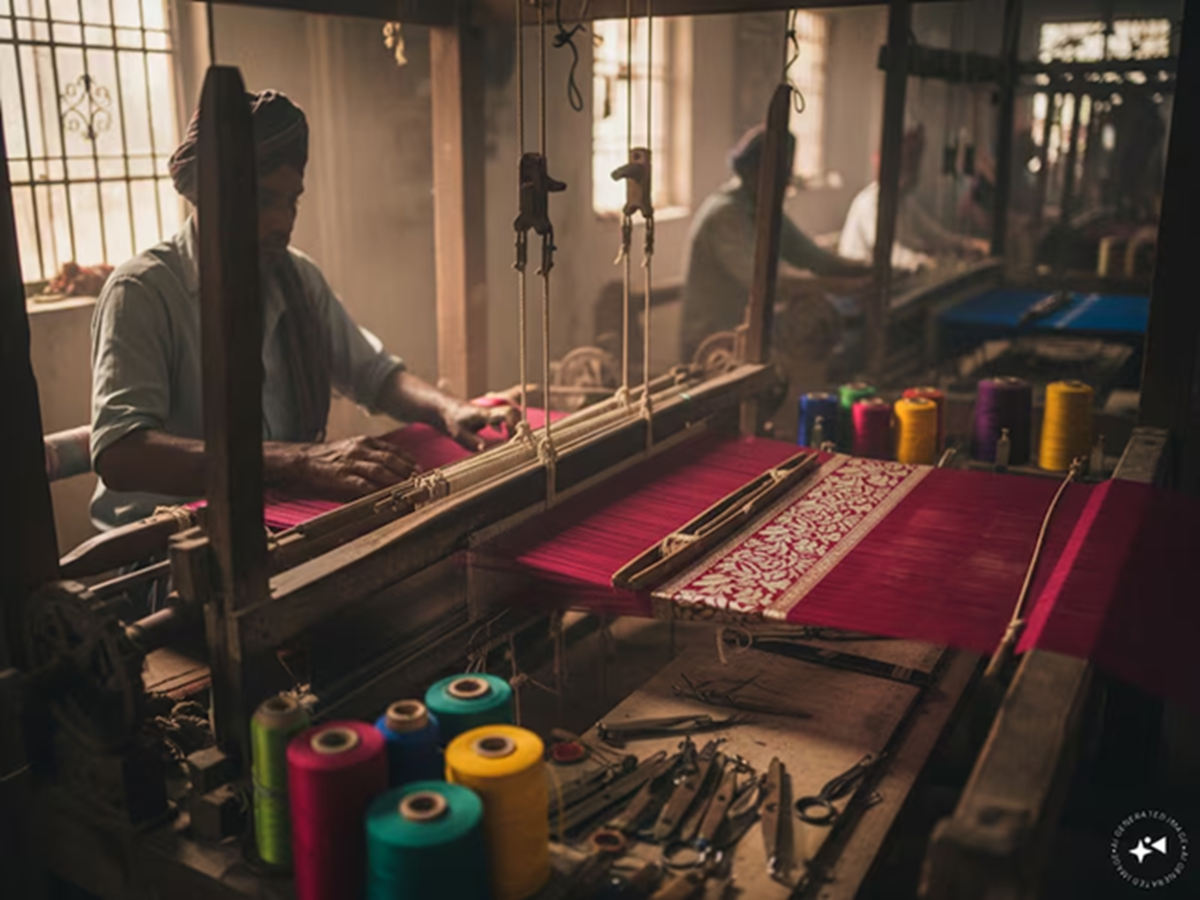
The *zari* work is woven into the fabric, not pasted or printed on. Furthermore, authentic Banarasi silk is exceptionally soft and smooth, possessing a natural sheen. When purchasing, be sure to look for the GI (Geographical Indication) tag, as it serves as a mark of authenticity for Banarasi sarees.
PC Social Media