LIFESTYLE
Bhaum Pradosh Vrat 2026: Are troubles and obstacles refusing to let up? Here is how to worship Lord Shiva on Bhaum Pradosh Vrat..
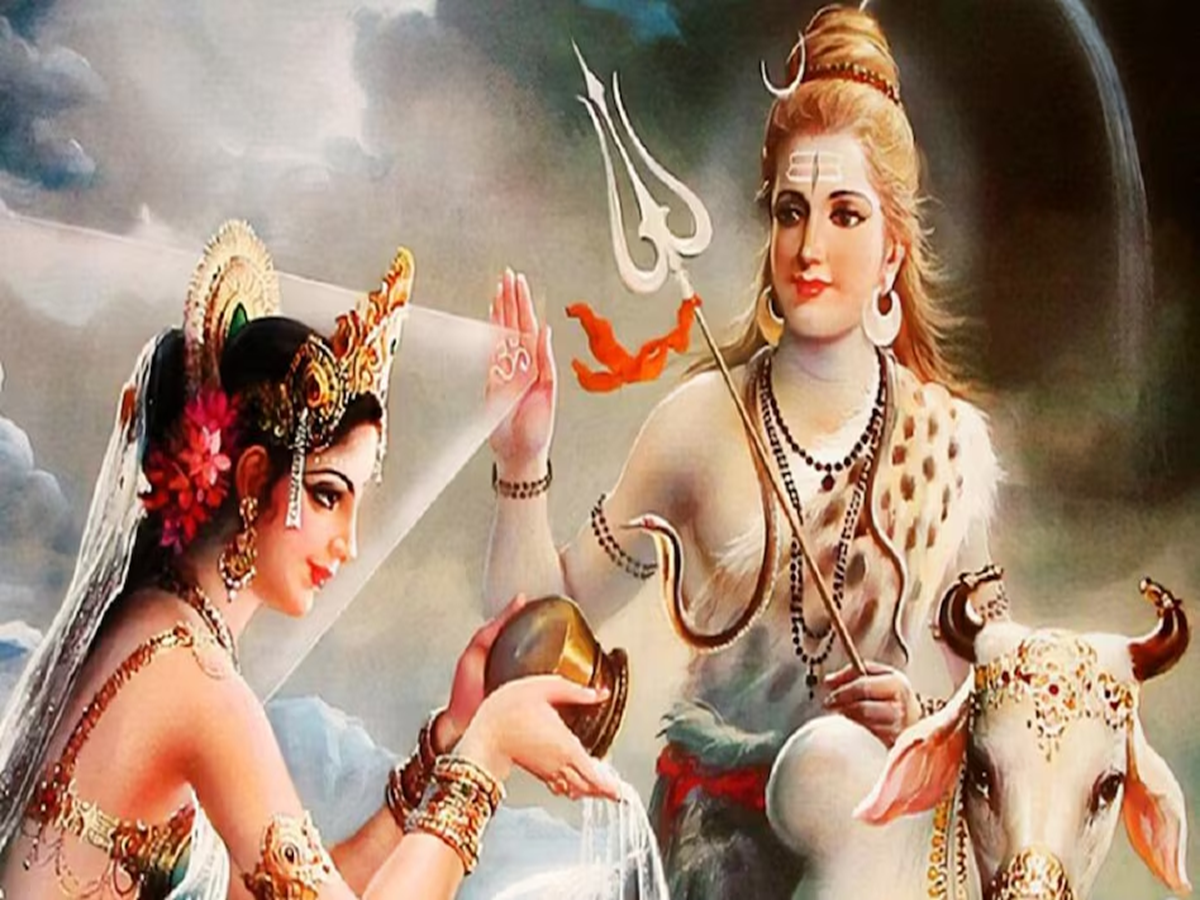
Bhaum Pradosh Vrat 2026: In Hinduism, the Pradosh Vrat is dedicated to Lord Shiva; however, its significance is further heightened when the *Trayodashi Tithi* (the thirteenth day of the lunar fortnight) falls on a Tuesday. Today, Tuesday, September 8, 2026—coinciding with the *Trayodashi Tithi* of the *Bhadrapada Krishna Paksha*—the Bhaum Pradosh Vrat is being observed. According to the *Drik Panchang*, the *Trayodashi Tithi* begins at 2:42 PM on September 8 and continues until 12:30 PM on September 9.
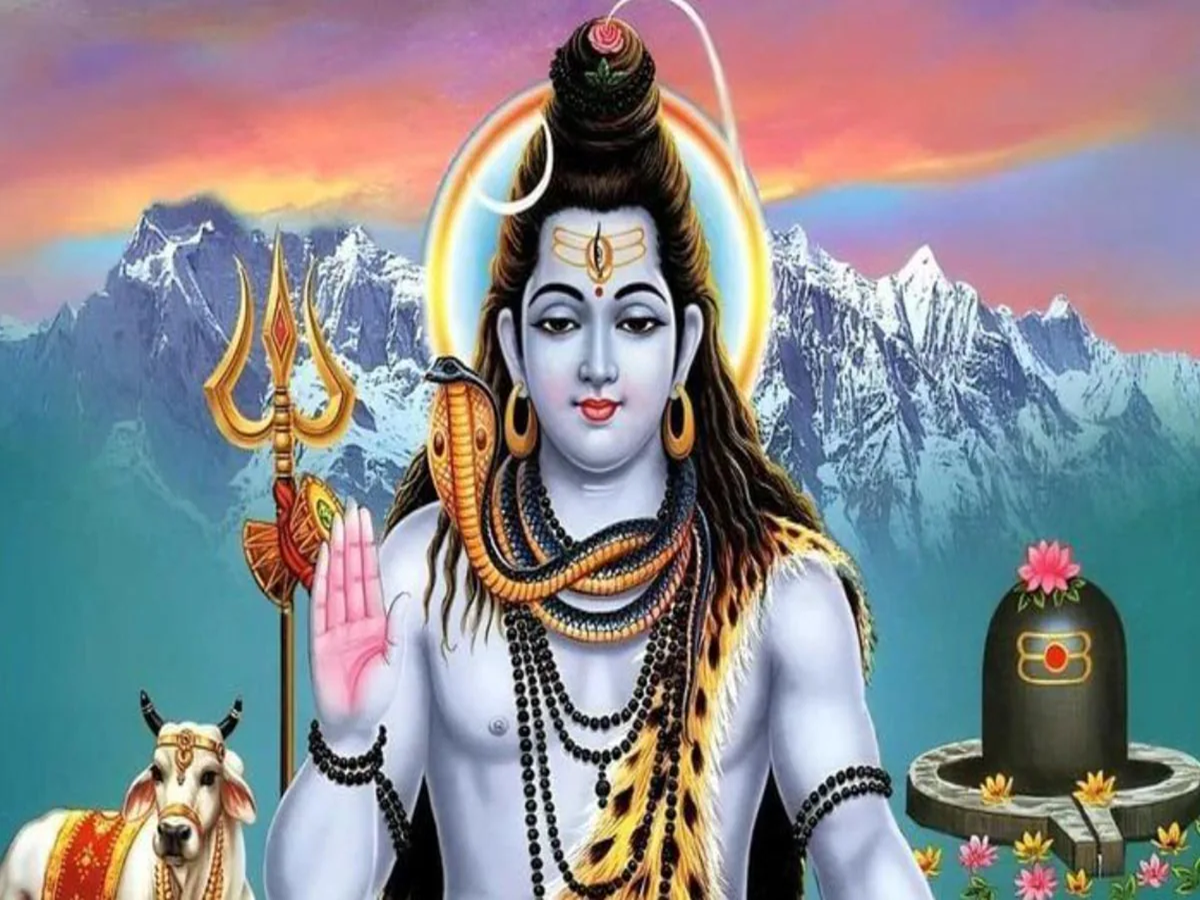
Worshipping Lord Shiva during the *Pradosh Kaal* (the auspicious evening period) is considered a crucial part of this fast. In regions of Central India like Bhopal, the *Pradosh Kaal* for evening worship will last from approximately 6:40 PM to 9:00 PM, though timings may vary slightly based on local sunrise and sunset times.
Significance of Bhaum Pradosh
Why is the Pradosh falling on a Tuesday special?
Tuesday is associated with the planet Mars (*Mangal*), and observing the Pradosh Vrat on this day—combined with the worship of Lord Shiva—is considered especially fruitful. According to religious belief, the Bhaum Pradosh Vrat is observed to seek relief from ongoing life troubles, mental stress, and obstacles. Many people offer water and milk to the *Shivling* on this day. Subsequently, they offer *Belpatra* (wood apple leaves), *Dhatura*, flowers, and fruits while meditating on Lord Shiva. It is believed that worship performed with devotion pleases Lord Shiva.
Worship Rituals for Bhaum Pradosh Vrat
After bathing in the morning, wear clean clothes and take a vow (*Sankalp*) to observe the fast.
Next, worship Lord Shiva and Goddess Parvati in your home shrine.
If possible, visit a Shiva temple during the evening *Pradosh Kaal* to perform *Abhishek* (ritual bathing) of the *Shivling*.
First, offer water to the *Shivling*. Then, *Abhishek* can be performed using milk, curd, honey, and ghee.
Afterwards, perform *Abhishek* with clean water and offer *Belpatra*, *Akshat* (unbroken rice grains), flowers, and fruits.
Apply sandalwood paste to Lord Shiva and light a lamp.
You may recite the *Shiv Chalisa* or *Shiv Stuti* during the worship.
Finally, perform the *Aarti* of Lord Shiva and pray for the fulfillment of your wishes. Chant this mantra
Chanting Lord Shiva’s *Panchakshari* mantra on *Bhaum Pradosh* is considered both simple and auspicious.
“Om Namah Shivaya”
One may chant this mantra 108 times with devotion. After the worship, distribute *Prasad* (offered food) and, according to your means, donate food or clothing to the needy.
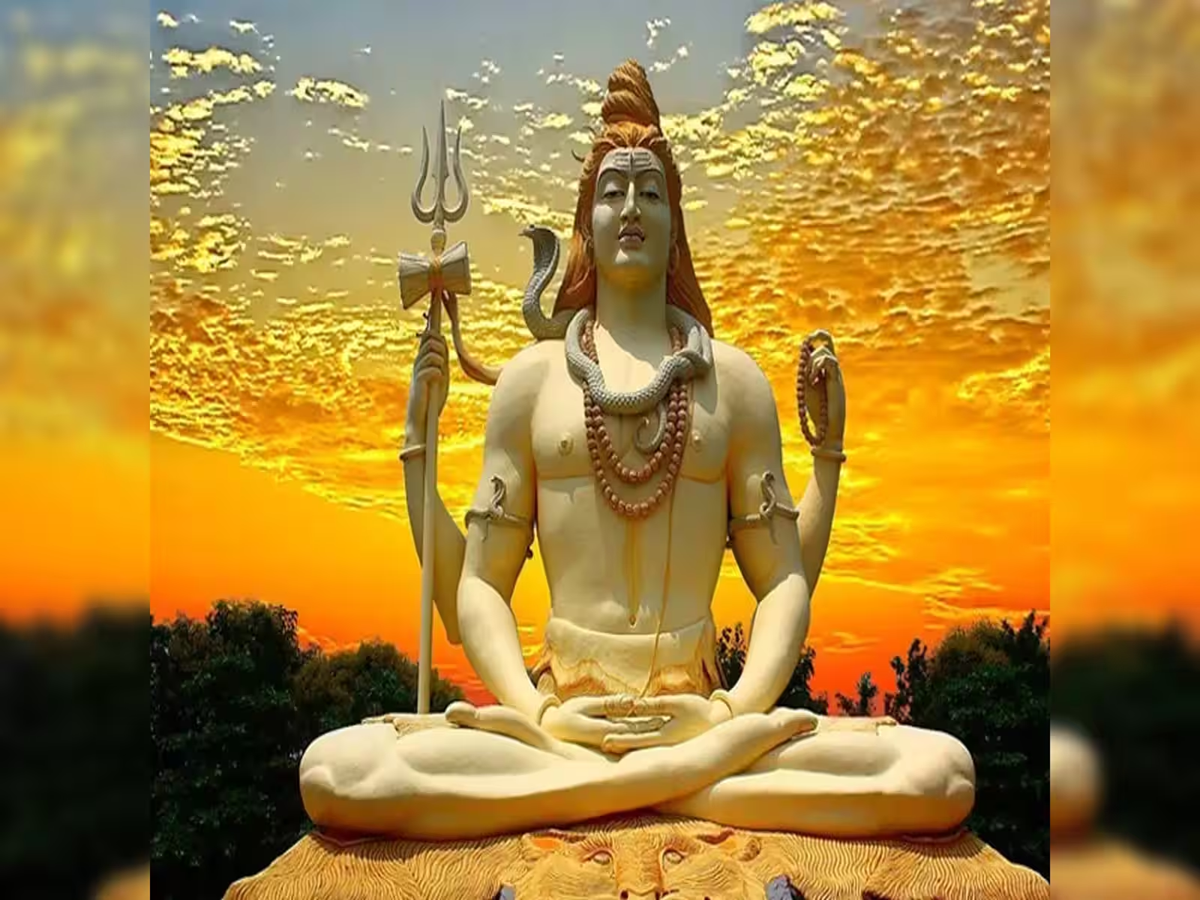
Points to remember while observing the fast
Those observing the fast may consume fruits (*phalahar*) or *sattvic* food, depending on their capacity. Remembering Lord Shiva throughout the day and refraining from anger, arguments, and negative thoughts aligns with the true spirit of the fast. Most importantly, approach the worship with genuine devotion rather than for the sake of outward display. If visiting a temple is not possible, one can perform the ritualistic worship at home—after ensuring cleanliness—before a *Shivling* or an image of Lord Shiva.
PC Social Media