LIFESTYLE
Boat Riding Alert: Planning to enjoy a boat ride? Take these precautions—even a minor mistake could lead to an accident..

Boat Riding: During the summer season, people often head to the mountains and rivers in search of cooler destinations. Amidst these excursions, the thrill of boat riding holds a strong appeal. However, minor acts of carelessness can lead to accidents. Often, boarding a boat without a life jacket, overloading the vessel, or standing up to take photographs proves to be dangerous. When boat riding, always wear a life jacket and strictly follow the boatman's instructions. It is advisable to avoid taking a ride during strong winds or adverse weather conditions. Leaning excessively from side to side or dipping one's hands into the water can also disrupt the boat's balance. Never leave children unattended, and do not compromise safety protocols for the sake of using mobile phones. By exercising caution, your boat riding experience can be both safe and memorable.
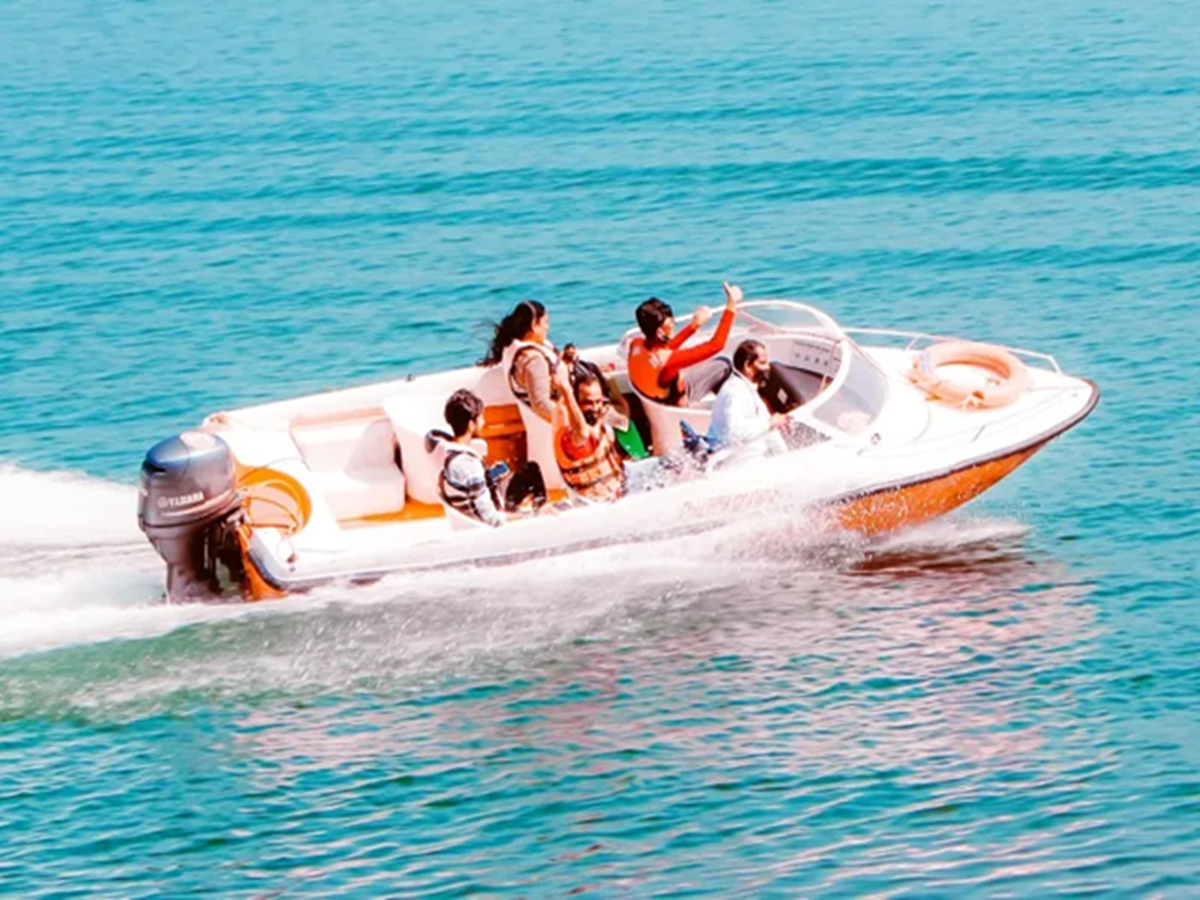
Girish Kumar, an expert boat operator, emphasizes that whenever you set out for a boat ride, your absolute priority must be to wear a life jacket. In the event of an emergency—such as the boat losing its balance—a life jacket will prevent you from drowning; it is considered the single most critical piece of safety equipment for boat riding.
Before embarking on a boat ride, you should always check the weather forecast. This precaution allows you to avoid riding during periods of heavy rainfall. Adverse weather conditions often result in rougher waters and stronger waves, which can cause the boat to become unstable. Therefore, always heed warnings issued by the meteorological department as well as the advice of residents. If the weather takes a sudden turn for the worse, you should immediately head back to the shore.
Prior to boarding, you must assess the boat's passenger capacity. For instance, if a boat is designed to accommodate eight people, you must ensure that no more than eight individuals board it; exceeding this limit can disrupt the boat's balance and potentially cause it to capsize. Furthermore, a boat's capacity depends not only on the number of passengers but also on their collective weight, as some individuals weigh more than others. Consequently, whenever you go boat riding, it is imperative to remain mindful of the boat's specific capacity limits. Before and during a boat ride, it is imperative that we strictly adhere to the safety instructions provided by the boat operator; by following these guidelines, we can avoid encountering any difficulties or mishaps during the ride.
These instructions are designed for your safety—covering aspects such as proper seating posture, maintaining balance, and the appropriate actions to take in the event of an emergency. Many people tend to disregard these instructions, which is a grave error. With the right information and proper precautions, you can effectively protect yourself from accidents.
Whenever you are engaging in a boat ride, you must strictly abstain from alcohol and any other intoxicating substances. This is because the movement of the waves can easily disrupt the boat's stability, causing it to rock and sway significantly. If you are under the influence of alcohol or narcotics, you may lose your balance and fall overboard—a situation that poses a serious threat to your life. Therefore, you should only participate in boat riding while remaining completely sober and free from intoxication.
During a boat ride, you must pay special attention to the safety of your children. Children often lack the necessary awareness of their surroundings, and the rocking motion of the boat can easily cause them to lose their balance. Consequently, it is essential to keep a close watch on them. Always ensure that children are wearing life jackets and never leave them unattended. In their excitement, they may stand up or reach their hands into the water, thereby significantly increasing the risk of an accident. <br /> Avoid Standing Up Suddenly
It is crucial to be familiar with the emergency equipment available on the boat—such as lifebuoys, first aid kits, and alarms—so that they can be utilized immediately in the event of an accident. Before boarding the boat, always verify that all such safety devices are present and in proper working order. Additionally, ensure you know how to summon assistance should the need arise. A little preparation and knowledge can go a long way in saving your life and the lives of others.

Standing up abruptly or moving around excessively while seated in a boat can be extremely dangerous. Such actions can disrupt the boat's equilibrium, potentially causing it to capsize. Especially when the boat is small. Therefore, always sit still and move slowly only when necessary. Also, instruct children not to jump around in the boat.
PC Social Media