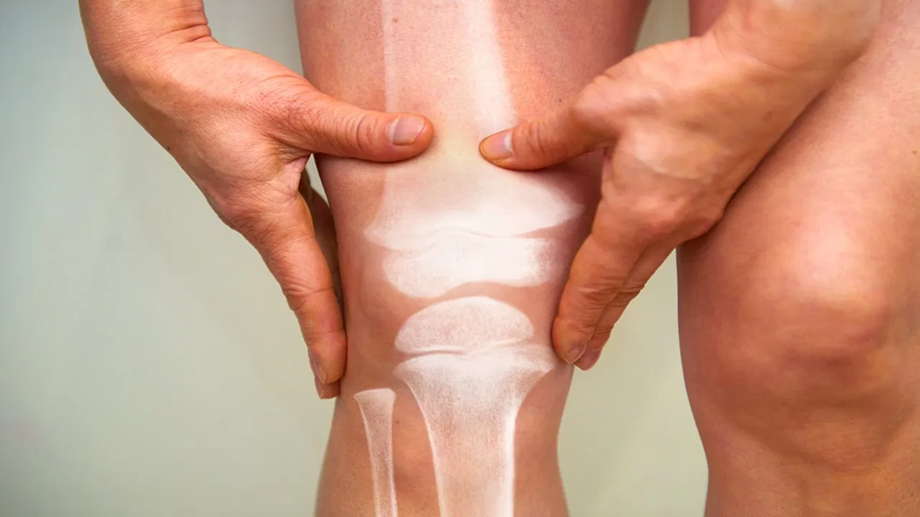
The stronger the bones in our body, the more important the ligaments that connect them. Ligaments are strong fibrous tissues that connect two bones and keep the joints stable, but sometimes during a sudden injury, fall, or any fast activity, these ligaments are stressed and they get stretched, torn, or broken. This condition is called ligament injury. This problem is usually seen more in knees, ankles, shoulders, and wrists. Let us know why ligament injury occurs and what are its causes.
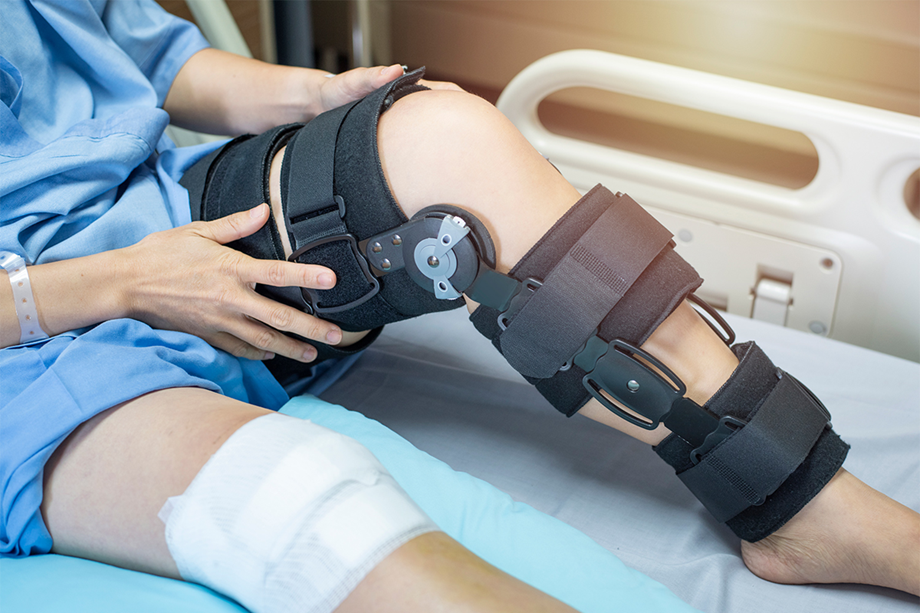
Dr. Akhilesh Yadav, Unit Head in the Orthopedic Department at Max Hospital, says that ligament injury is most commonly seen in players. A sudden change of direction, fall or collision during sports like football, basketball, cricket, tennis, kabaddi etc. can damage the ligament. Ligaments can also tear due to road accidents, falling from stairs, or falling from height. Apart from this, suddenly lifting more weight than required also stretches the ligament, which can cause injury. Also, ligament injury can occur due to aging.
Symptoms of ligament injury
According to Dr. Yadav, the symptoms of ligament injury depend on the severity of the injury. Generally, its symptoms can be of many types. Severe pain in the injured part, swelling, difficulty in walking or moving, feeling of redness or warmth around the joint, feeling of instability or looseness in the joint, and sometimes a sound like 'crack' is also heard at the time of injury.
Grade 1: Mild injury
There is a slight stretch in the ligament. The pain is mild and the swelling is less.
Grade 2: Moderate injury
The ligament is torn to some extent. There is more swelling and pain. There may be instability in the joint.
Grade 3: Severe injury
The ligament is completely torn. Walking becomes difficult and surgery may be required.
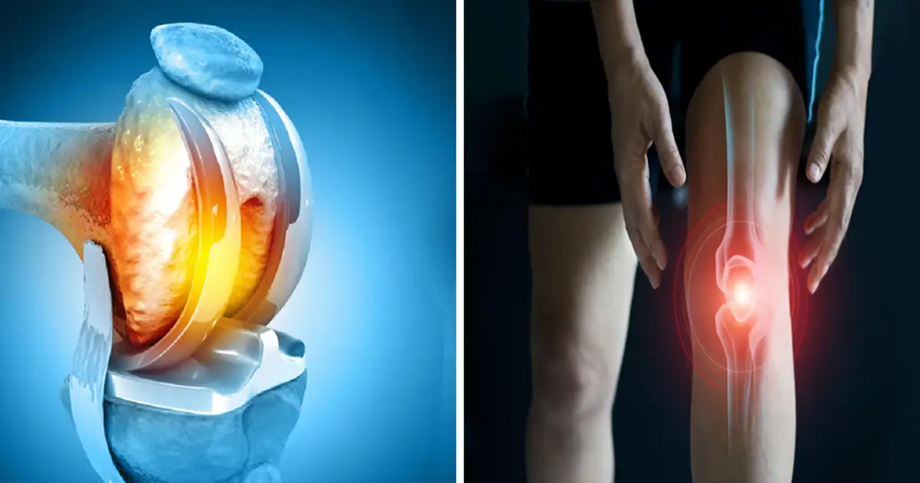
Treatment of ligament injury
Giving rest to the injured part is the first treatment. This gives the ligament time to heal. On the other hand, applying ice after injury reduces swelling and provides relief from pain. Tying an elastic bandage or bandage on the injured area controls swelling and supports the joint. Apart from this, keeping the injured part above the level of the heart reduces swelling. Doctors can give painkillers or anti-inflammatory medicines to reduce pain and swelling and the most effective solution is physiotherapy. Exercising under the supervision of a physiotherapist helps in strengthening the ligament and making the joint mobile again. Finally, if the ligament is completely torn, surgery is required. In this, the work of joining or replacing the ligament is done.
PC Social media