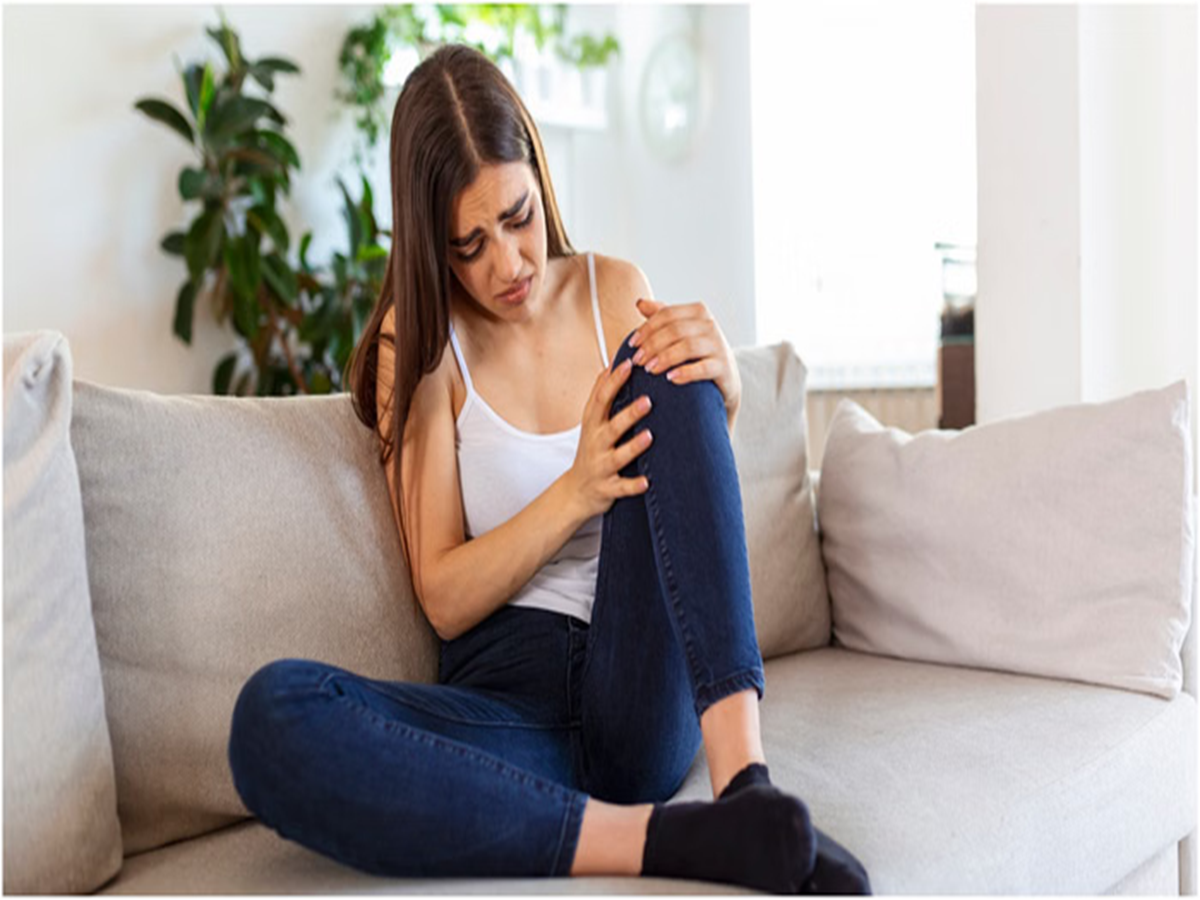
Did you know that women are at a higher risk for certain types of diseases compared to men? Cases of bone-related disorders and arthritis are also reported more frequently among women. Medical reports indicate that women face a significantly higher risk of osteoporosis and low bone mass compared to men; the primary reason for this is believed to be the rapid decline of the hormone estrogen during menopause.
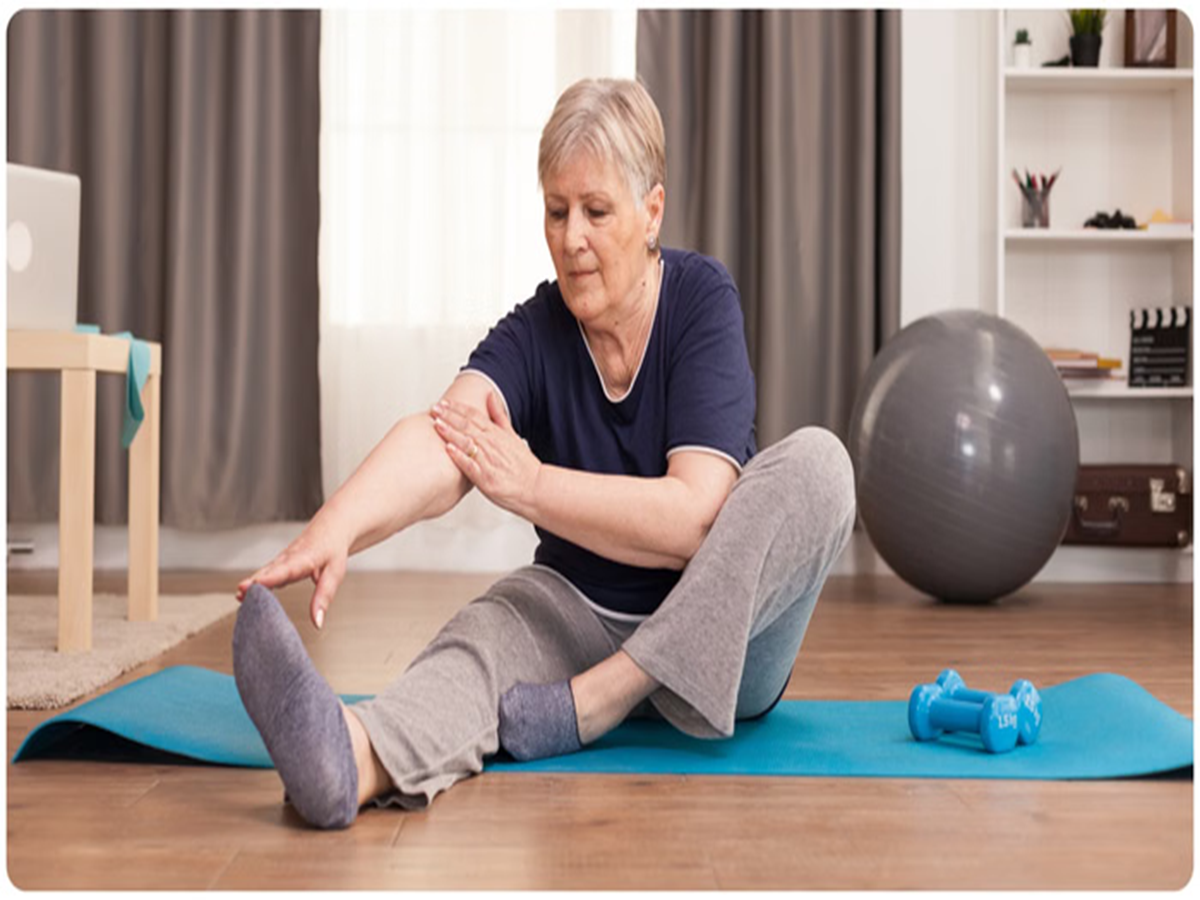
Health experts state that strong bones are essential for the structural integrity and proper functioning of the entire body; any issues affecting the bones can impact overall bodily function. Often, bone problems go undetected in the early stages and only come to light when they have become severe. Osteoporosis is one such condition that is increasingly observed in women.
The question arises: why and when are women most at risk of developing weak bones?
The Issue of Osteoporosis
Osteoporosis is a condition that often goes undiagnosed until a fracture occurs. It involves a significant reduction in bone density and strength, making bones extremely fragile and susceptible to fractures.
The risk increases significantly as women age and approach menopause. During this period, levels of the hormone estrogen begin to decline. Additionally, factors such as calcium and Vitamin D deficiencies, a lack of physical activity, and habits like smoking and alcohol consumption can further elevate this risk.
Increased Risk After Menopause
Bone density naturally decreases as women age. The drop in estrogen levels around menopause accelerates bone loss. Consequently, the risk of osteoporosis and fractures rises significantly after menopause.
Women who are overweight or who already suffer from bone weakness face a heightened risk of developing osteoporosis and arthritis. Calcium and Vitamin Deficiency
Both calcium and vitamin D are essential for maintaining strong bones.
Calcium is crucial for bone structure, while vitamin D helps the body absorb calcium.
Foods such as milk and yogurt, along with other calcium-rich items, help meet the body's requirements for these nutrients.
Regular physical activity is also vital for bone health. Activities like walking can help maintain bone strength.
Conversely, prolonged sitting, smoking, and alcohol consumption can be detrimental to bone health.
So, how can you keep your bones strong?
Health experts describe osteoporosis as a "silent disease" because it typically presents no noticeable symptoms in the early stages. Consequently, changes such as bone fractures from minor injuries or falls, or a curvature of the spine, may become apparent later on.

Factors such as age, menopause, and family history can increase your risk. Women with a higher risk profile should consult a doctor and take preventive measures in a timely manner.
PC Social Media