Business
Business Idea: Earn ₹1 lakh per month from an EV charging station; here is the complete business plan..
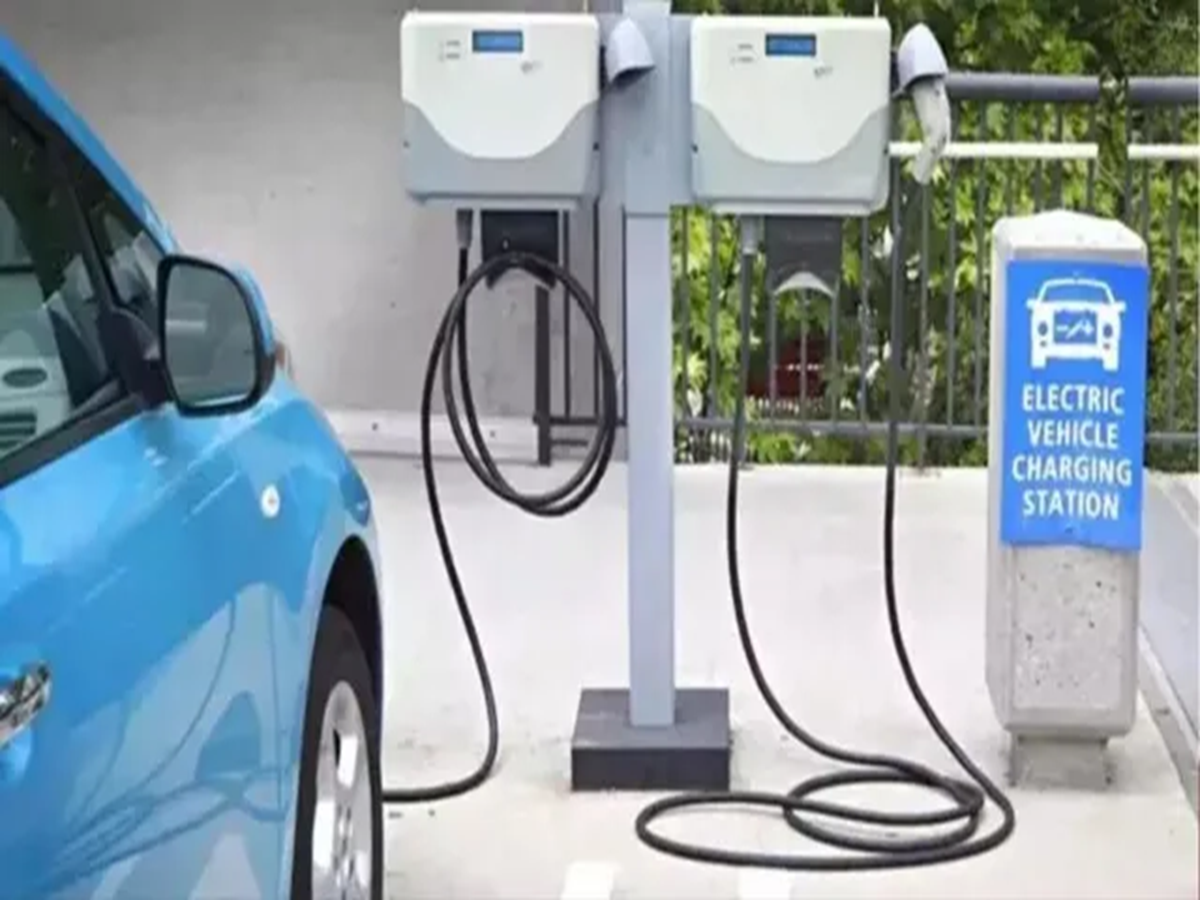
Traditional businesses like grocery stores, dairy outlets, and clothing shops are becoming a thing of the past. You now need to adopt modern business models, and an electric vehicle (EV) charging franchise is an excellent option. India is rapidly moving towards adopting electric vehicles as the primary mode of transport for the future; consequently, an EV charging franchise promises to be a fantastic business venture.
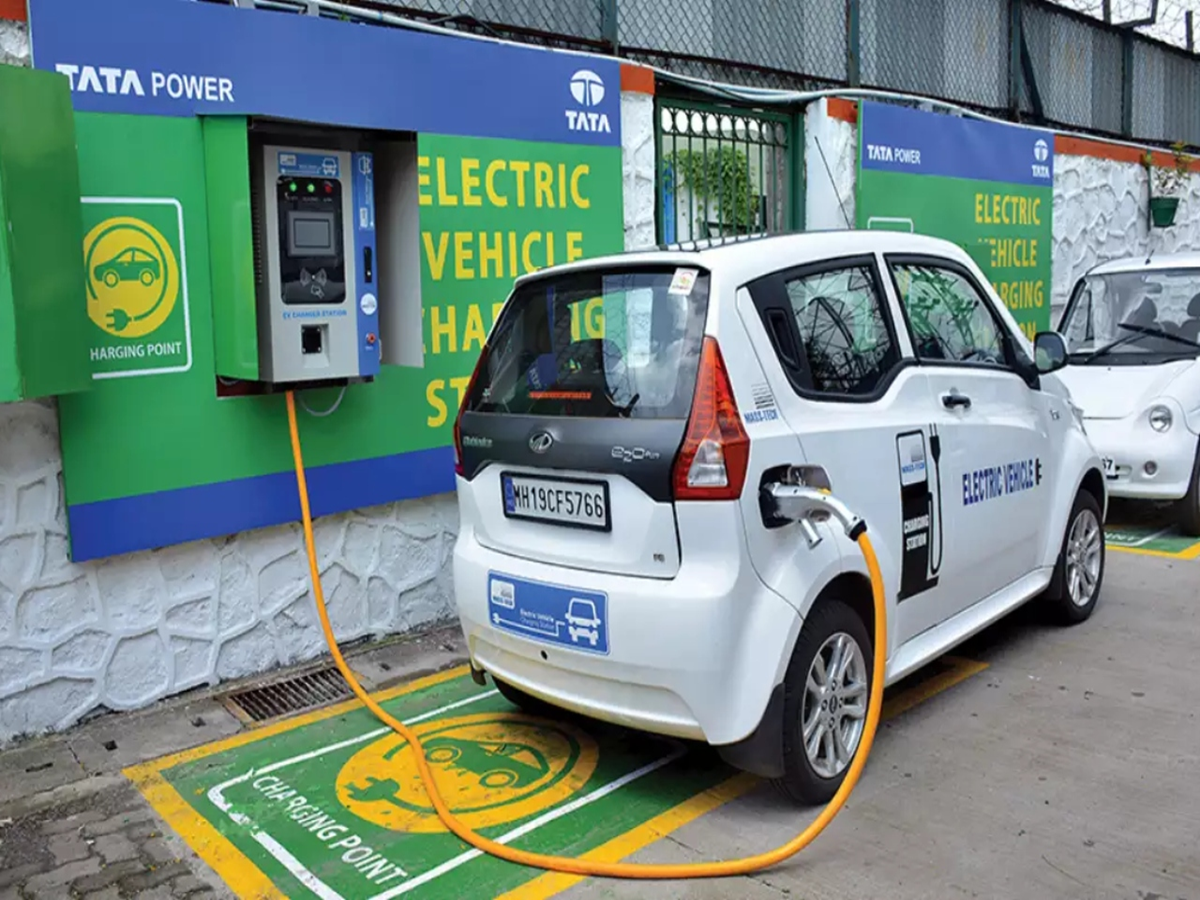
**Rapid Growth of Electric Vehicles in the Country**
According to government figures, there were 247,078,696 registered vehicles in the country as of August 20; Ministry of Road Transport data (via the VAHAN portal) indicates that approximately 3.11 million (31.11 lakh) of these are EVs. Currently, two-wheelers make up the largest share of electric vehicles, though registrations for three-wheelers, cars, and trucks are also rising quickly. The government aims for electric vehicles to account for 30% of all vehicles by 2030. This gives you an idea of the profitability of the EV charging franchise business.
**How to Start an EV Charging Business?**
According to the central government, setting up an EV charging station is a "de-licensed" activity. This means any individual, company, or organization can establish a public charging station without a license, provided they adhere to technical standards. The government has also issued various guidelines to facilitate the expansion of charging networks.
**What Are the Costs Involved?**
As EV charging stations represent a relatively new business concept, public awareness—and knowledge regarding actual costs—remains limited. If you start on a small scale, you would install 2 to 4 AC chargers—suitable for small parking areas, housing societies, or commercial complexes—with costs potentially reaching up to ₹5 lakh. Setting up with 2–3 AC chargers and basic infrastructure typically costs between ₹5 lakh and ₹12 lakh.
If you opt to set up a fast-charging station, you would need to install a 50 kW DC fast charger. The total investment for this could reach up to ₹30 lakh. On the other hand, setting up a highway or premium station with a capacity of 120 kW or higher may require an investment of ₹50 lakh to ₹60 lakh. This includes costs for chargers, power connections, transformers, cabling, civil works, software, and safety equipment. You must own the land yourself.
**Required Documents**
To set up an EV charging station, certain documents must be submitted; let’s take a look at them:
Aadhaar Card
PAN Card
GST Registration
Company/Firm Registration
Land ownership or lease documents
Application for electricity connection
Necessary permissions from local authorities (if applicable)
Bank account details and a cancelled cheque
Fire and safety compliance documents (for larger stations)
**Earnings and Profit**
Various reports indicate that EV stations typically procure electricity from distribution companies at around ₹5–7 per unit (kWh). Customers are charged between ₹12 and ₹22 per unit—especially for DC fast charging—resulting in a gross margin of ₹5–12 per kWh. Regarding the earnings of a small station: if you sell 300 units daily at an average rate of ₹12 per kWh, your monthly revenue would be ₹1.08 lakh. Electricity costs amount to ₹60,000–₹65,000. After deducting an additional ₹15,000–₹20,000 for other expenses, the net profit would be ₹20,000–₹25,000.
PC Social Media