Business
Can the bank seize your house if you fail to pay the loan EMI? Know the legal limits for recovery agents..

If, for some reason, you are unable to pay your loan EMI, the bank may initiate reminders, impose penalties, and start recovery proceedings. However, missing just a single EMI does not give the bank the right to seize your assets. Furthermore, recovery agents cannot threaten, verbally abuse, or harass your family while attempting to recover the loan. Action against the asset depends on the type of loan, the nature of the default, and the legal process involved. Let us understand this further.
When can the bank take action against your asset?
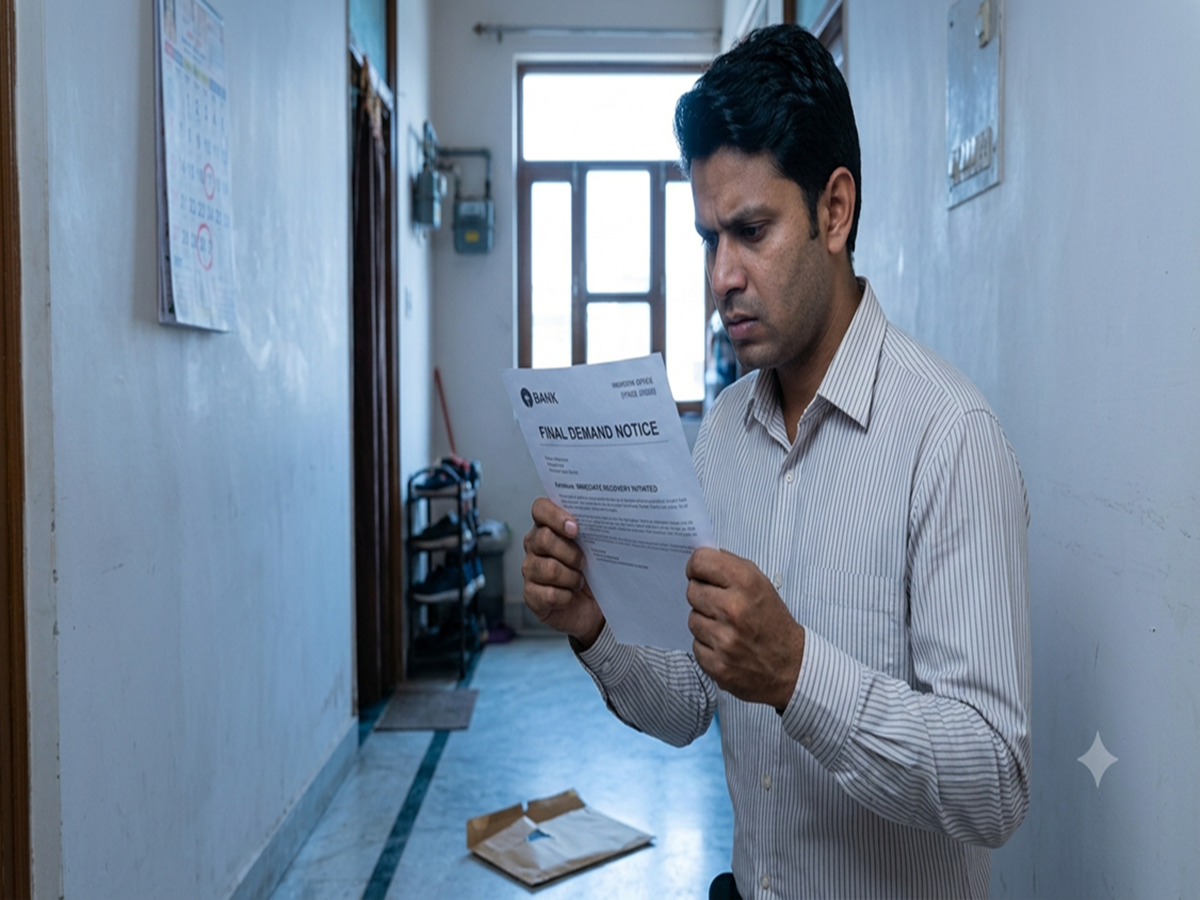
In the case of secured loans—such as home loans, vehicle loans, gold loans, or loans against property—a default allows the bank to initiate legal action against the underlying asset. However, a prescribed procedure must be followed. Under Section 13(2) of the SARFAESI Act, once a secured loan is classified as a Non-Performing Asset (NPA), the bank can issue a written notice requiring the outstanding amount to be paid within 60 days. If the borrower raises an objection or submits a response to this notice, the bank is required to consider it and provide reasons for rejecting the objection within 15 days. Therefore, missing a single EMI does not mean the bank will immediately seize your house or vehicle.
Recovery agents cannot threaten your family.
According to RBI guidelines, banks and their recovery agents are prohibited from using threats or harassment during loan recovery. This includes publicly shaming the borrower or invading the privacy of their family, friends, and others. Recovery agents cannot make threatening or anonymous calls, nor can they send messages containing abusive language. Repeatedly calling before 8 AM or after 7 PM to recover outstanding dues is also a violation of the rules. Threatening or humiliating the borrower, or threatening arrest for defaulting on an unsecured loan, is also considered a violation.
What to do if a recovery agent harasses you?
If a recovery agent is harassing you, you should preserve evidence such as call logs, WhatsApp messages, voicemails, and other relevant records. A complaint should first be lodged with the grievance redressal mechanism of the bank or the concerned lending institution. If the issue is not resolved satisfactorily at that level, the matter can be escalated to the RBI's grievance redressal system, subject to applicable rules and eligibility criteria. In situations involving serious threats, forcible entry into the home, or physical violence, the police can be contacted. A bank cannot evade responsibility for the actions of a recovery agent it has outsourced the task to; according to RBI guidelines, the lending institution remains accountable for the conduct of its service providers and recovery agents.
**Recovering dues is legitimate, but the method must be legal**
A loan default does not extinguish the bank's right to recover its funds. In the case of secured loans, the bank can take action against the underlying asset by following the prescribed legal procedure. However, neither the bank nor the recovery agent may resort to threats, humiliation, or unauthorized seizure of assets instead of following due legal process. If facing difficulties in repaying EMIs, it is advisable to contact the bank promptly, understand the available payment or restructuring options, and maintain a written record of all communications. It is crucial to engage with the bank in a timely manner rather than ignoring recovery notices.
PC Social Media