LIFESTYLE
Cervical cancer: At what age is the HPV vaccine most effective? Here is what you should know.
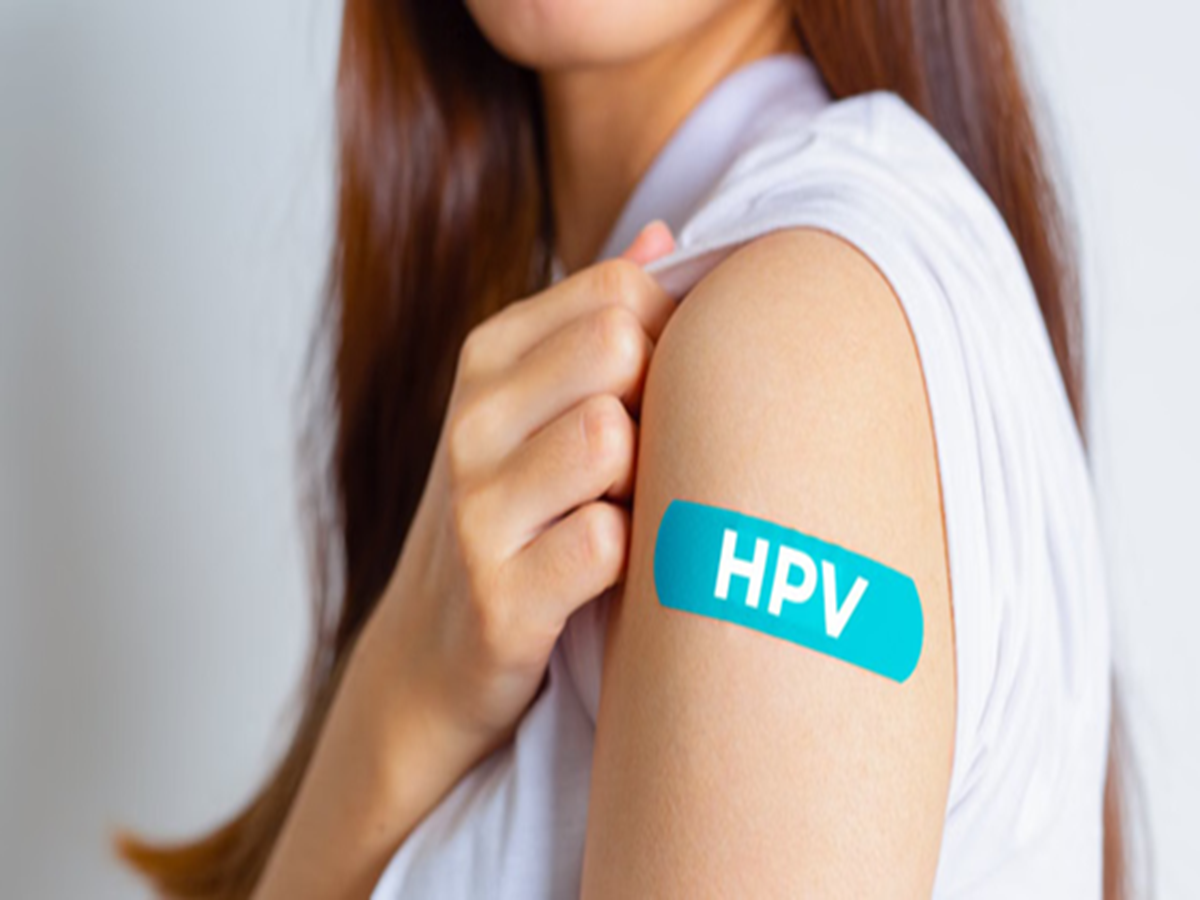
Cases of various types of cancer are rising rapidly across the globe. Men are most at risk for lung, oral, and prostate cancers, while women face the highest risk of breast and cervical cancers. Notably, cases of cervical cancer among women are also increasing sharply.
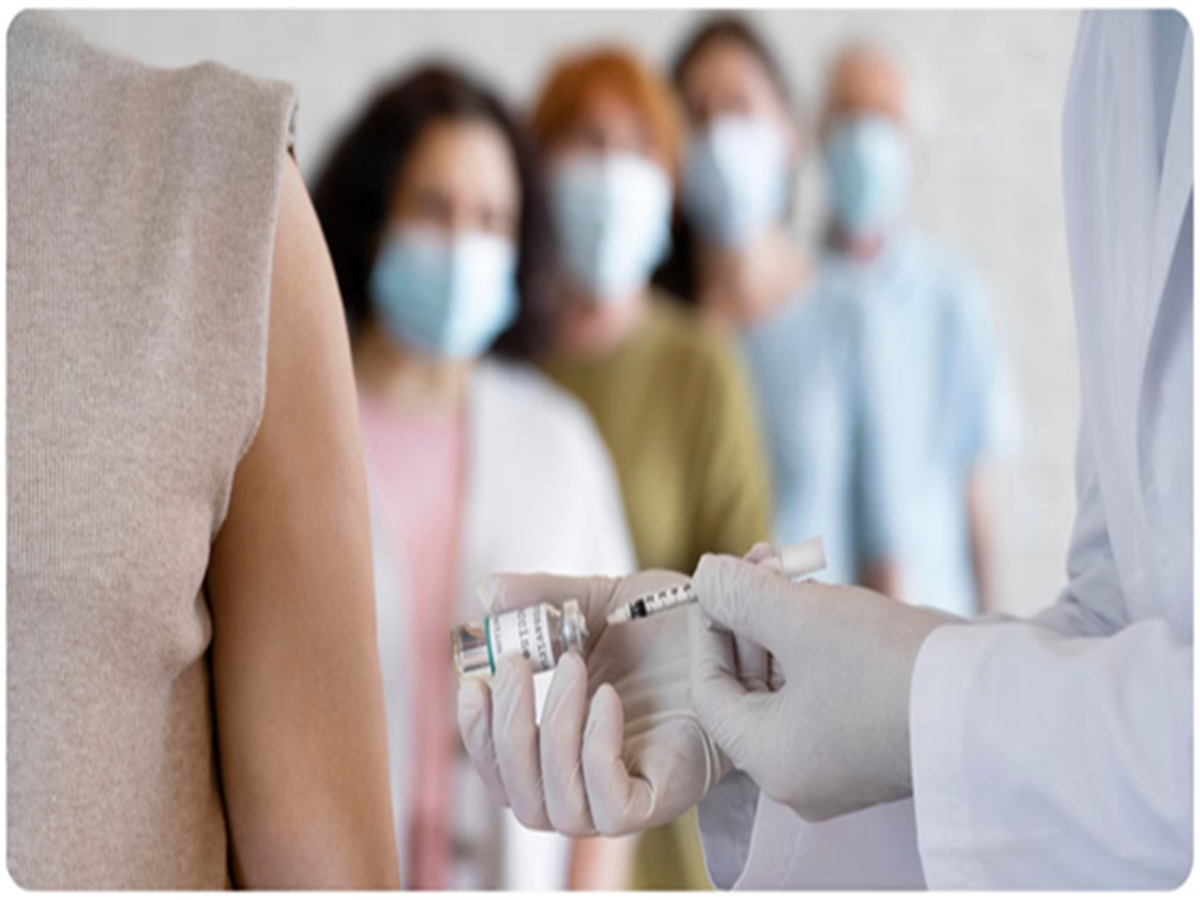
India accounts for approximately one-quarter of all cervical cancer-related deaths worldwide. The country records around 80,000 deaths annually due to this disease, translating to a mortality rate of about 11.2 per 100,000 women. While the risk of cervical cancer is rising, the good news is that this risk can be significantly reduced through vaccination and regular screening.
To mitigate the risk of cervical cancer in India, the government recently announced a nationwide free HPV vaccination program for girls aged 14 and older.
**Vaccine for Protection Against HPV Infection**
The Human Papillomavirus (HPV) is considered the primary cause of this infection. It poses a risk not only for cervical cancer but also for certain other cancers affecting the throat, anus, and genital areas. Experts consider the HPV vaccine to be highly effective in reducing these risks.
The vaccine is most effective when administered before exposure to the virus.
This is why it is recommended for adolescent girls at a younger age.
**At What Age Should the Vaccine Be Taken?**
Health experts advise that even after vaccination, women should continue to undergo regular cervical cancer screenings as recommended by their doctors.
Generally, the HPV vaccine is considered most effective when administered between the ages of 9 and 14, and before the onset of sexual activity.
By this age, most children have not yet been exposed to the virus.
The vaccination regimen consists of two doses; the second dose is administered 6 to 12 months after the first.

**Should Boys Also Get Vaccinated?**
Many experts recommend HPV vaccination for boys as well.
In men, HPV infection can lead to problems such as throat cancer, anal cancer, penile cancer, and genital warts. If men are not vaccinated, the infection continues to spread. Therefore, vaccination for gay men is also essential.
PC Social Media