FASHION
Chaitra Navratri: Which Colors Should You Wear During Navratri? The Nine Auspicious Colors for the Nine Days and Their Significance..
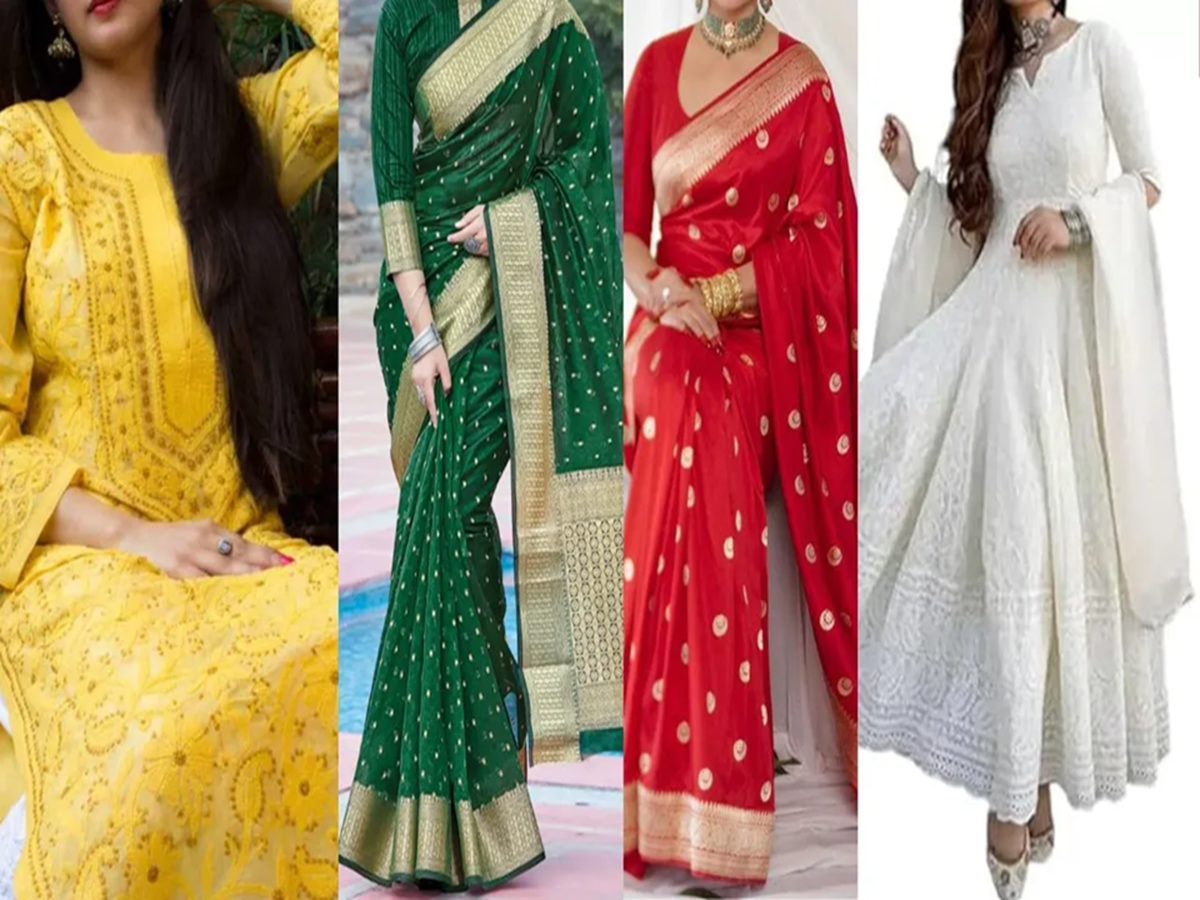
Navratri: 9 Days, 9 Colors | In Hinduism, the festival of Navratri is considered the most sacred time for the worship of Goddess Durga. During these nine days, the various forms of the *Navadurga* (the nine manifestations of the Goddess) are worshipped. According to tradition, each day is associated with a specific color; wearing this color and adorning the Goddess with it is considered highly auspicious.
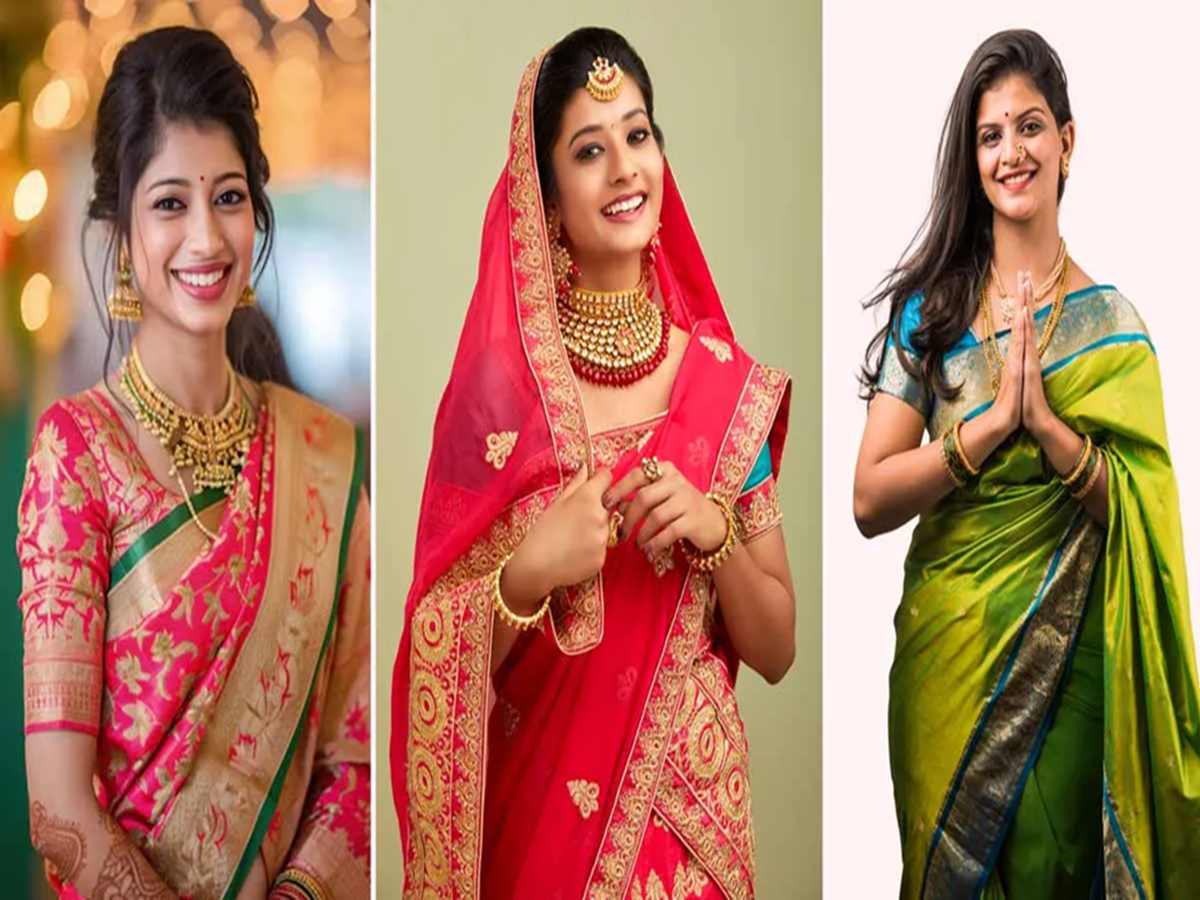
Nowadays, these nine colors of Navratri have also evolved into a popular fashion trend. People dress in the designated color of the day while performing their prayers and share their outfits on social media platforms. According to religious beliefs, wearing auspicious-colored attire during Navratri pleases Goddess Durga. Furthermore, adorning the Goddess with the corresponding color is believed to invite happiness, prosperity, and positive energy into the home. Let us discover the auspicious color for the first day—dedicated to the worship of *Maa Shailputri*—and the specific color designated for each subsequent day of Navratri.
**Day 1 – Yellow**
Goddess: Maa Shailputri*
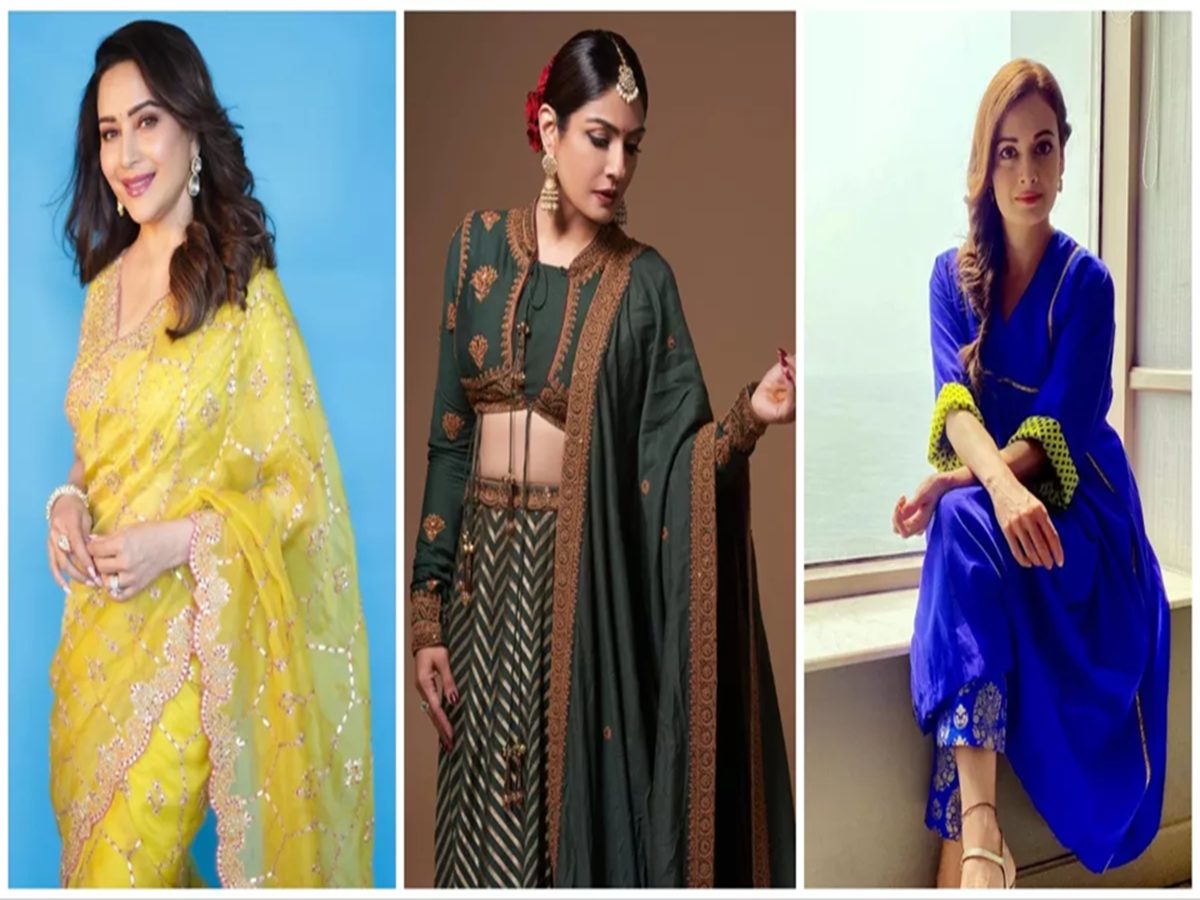
Yellow is considered an auspicious color on the first day of Navratri. This color symbolizes happiness, energy, and positivity. On this day, women may choose to wear yellow sarees or suits, while men can opt for a yellow *kurta*.
**Day 2 – Green**
Goddess: Maa Brahmacharini
The second day of Navratri is dedicated to the worship of *Maa Brahmacharini*. One should wear green on this day. Green symbolizes peace, growth, and prosperity. A green *Anarkali* suit or a green *kurta-pajama* ensemble looks particularly striking on this day.
**Day 3 – Grey**
Goddess:Maa Chandraghanta
Grey is regarded as a symbol of balance and stability. For the worship of *Maa Chandraghanta*, one may choose to wear grey-colored attire. You can try pairing a grey saree with silver jewelry, or opt for a grey *kurta* paired with a jacket.
**Day 4 – Orange**
Goddess:Maa Kushmanda
On the fourth day of Navratri, *Maa Kushmanda* is worshipped, and the color orange is considered auspicious. Orange symbolizes energy and enthusiasm. By wearing an orange *lehenga* or *kurta*, you can achieve a distinct and vibrant look for your Navratri prayers. Day 5 – White
Goddess: Maa Skandamata
Wear white for the worship of Maa Skandamata. The color white signifies peace, purity, and simplicity. A white saree or a *Chikan-kari* suit looks absolutely stunning during Navratri.
Day 6 – Red
Goddess: Maa Katyayani
Maa Katyayani is worshipped on the sixth day of Navratri. Wearing red on this day is considered auspicious. Red symbolizes power and courage. A red saree, red *lehenga*, or red *kurta* represents the most popular fashion choices on this day of Navratri.
Day 7 – Blue
Goddess: Maa Kalaratri
Adorn yourself in blue for the worship of Maa Kalaratri. The color blue signifies self-confidence and strength. A royal blue saree or a *kurta-pajama* ensemble adds a special charm to this day.
Day 8 – Pink
Goddess: Maa Mahagauri
Choose the color pink for the worship of Maa Mahagauri on the *Ashtami* (eighth) day of Navratri. Pink symbolizes love and compassion. By wearing a pink suit or saree, you can achieve a truly beautiful look for the Navratri *puja*.
Day 9 – Purple
Goddess: Maa Siddhidatri
Maa Siddhidatri is worshipped on the *Navami* (ninth) day. Her favorite color is purple. Purple is considered a symbol of spirituality and grandeur. A purple *lehenga* or saree lends an incredibly regal look on this day.
PC Social Media