
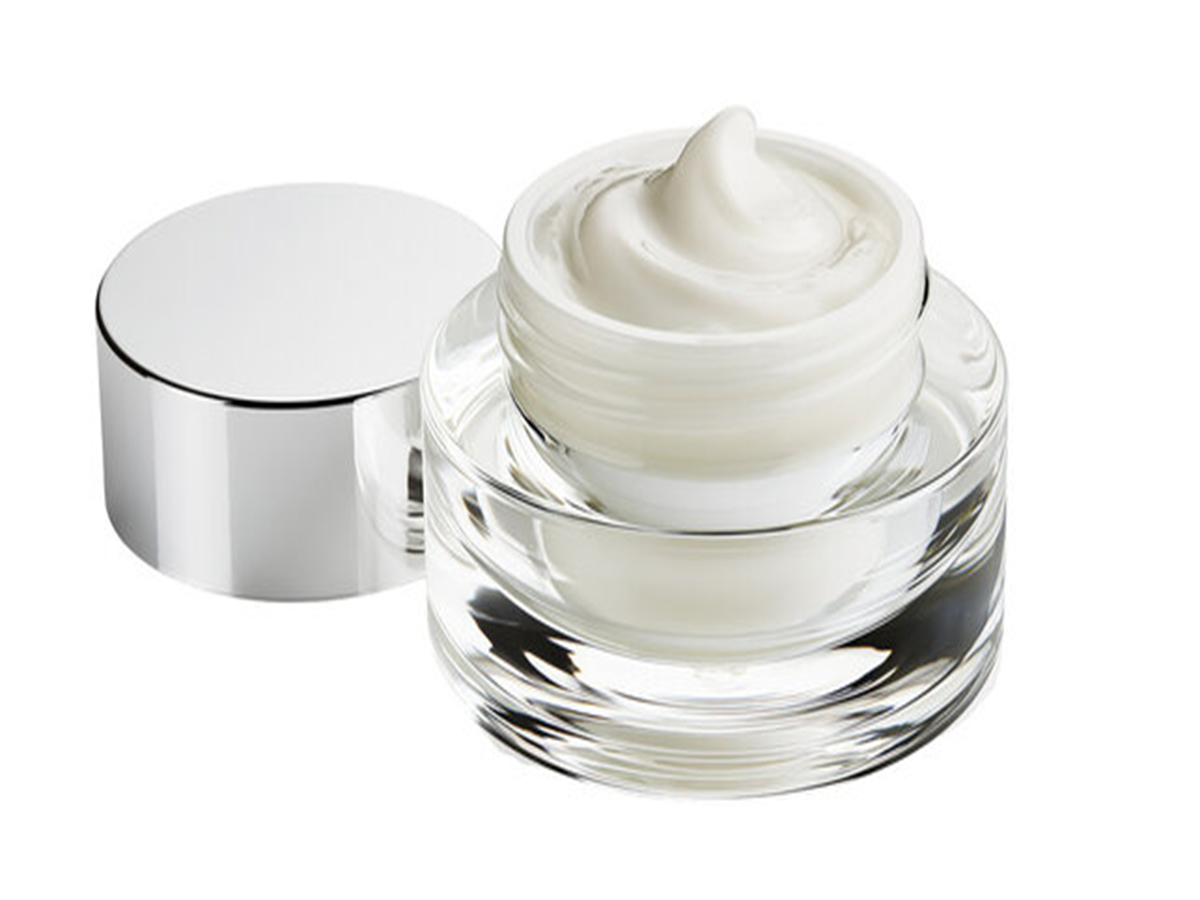
Winter Skin Protection: As winter approaches, the way we care for our skin changes—and so do the products we use. Winter skincare routines often incorporate cold creams, moisturizers, and lotions. Some people apply lotion after a bath, while others use cold cream to nourish their facial skin. Others may opt for a moisturizer instead of both. If you follow a similar routine, pause for a moment before applying these products. While they are related, they differ in both their function and their composition.
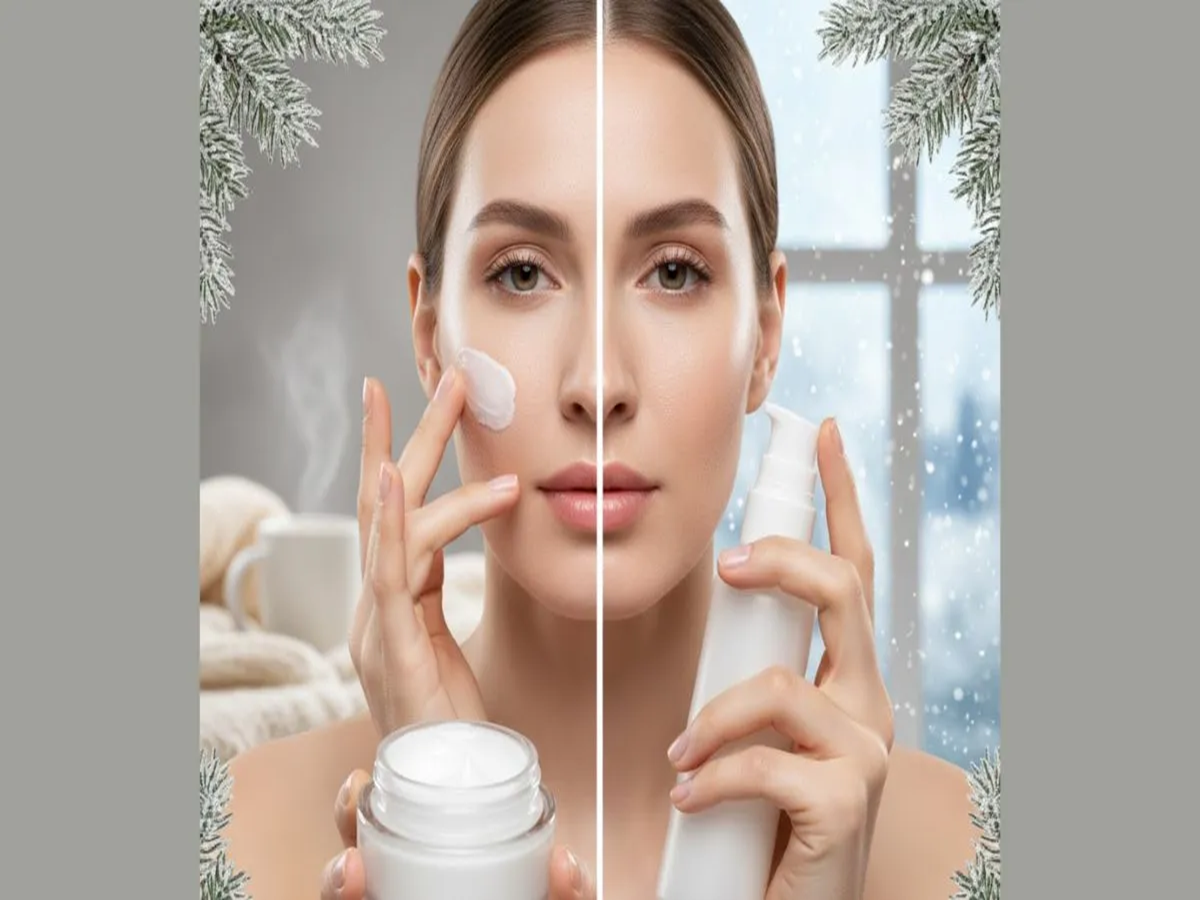
In reality, the choice of product depends on your skin's specific needs, the weather, and the part of the body you are treating. Choosing the wrong product means your skin may not receive the benefits you expect. Let’s explore the differences between cold creams, moisturizers, and lotions, and understand when each should be used.
1. What is a moisturizer, and what does it do?
- First, let’s look at moisturizers. A moisturizer is a skincare product that is essential year-round—in every season.
- It comes in both cream and lotion forms. It is a lightweight blend of water and oil that absorbs easily into the skin.
- The primary function of a moisturizer is to keep the skin hydrated and replenish lost moisture. It penetrates deep into the skin to provide hydration without leaving a sticky residue.
- It is essential for all skin types (normal, oily, dry, and sensitive). The only difference is that for oily skin, there are gel-based or water-based moisturizers, while for dry skin, there are cream-based ones.
- It is most effective to apply moisturizer immediately after a bath or after washing your face, while your skin is still slightly damp. It can be used both during the day and at night.
2. What is a body lotion, and how does it work?
- As the name suggests, 'body lotion' is primarily designed for the skin on the body, rather than just the face.
- This lotion comes in a liquid form and has a high water content. It is very lightweight and spreads easily over large areas of the body.
- It keeps the skin soft and eliminates dryness. Because it is lightweight, it does not feel sticky when you put on clothes after application.
- It is intended for the skin on your arms, legs, back, and the rest of your body. You should avoid using body lotion on the delicate skin of your face, as facial skin is more sensitive than the skin on the rest of the body.
- You should apply body lotion all over your body daily after bathing to ensure your skin stays moisturized throughout the day.
3. What is a cold cream, and how does it work?
- Cold cream is one of the oldest and most traditional skincare products for the winter season; its history spans centuries.
- Cold cream is oil-based. It contains a low amount of water and a high concentration of oil or wax, which is why it has a very thick consistency.
- When you apply it to your face, it forms a protective layer over the skin. It locks in the skin's moisture and provides protection against cold winds. Since it creates a mild, cooling sensation upon application, it is known as 'cold cream.'
- It is a boon for extremely dry and dull skin.
- It is most beneficial to use it during the harsh winter months—either at night before going to bed or just before stepping outside. However, if you have oily skin, it may cause acne on your face.

The American Academy of Dermatology (AAD) also considers creams or ointments to be more effective than lotions for dry skin.
Finally, keep in mind that an expensive product or a thick cream is not always better. It is more important to understand what your skin actually needs. If a product causes irritation, itching, or redness, stop using it and consult a dermatologist if necessary.
Disclaimer: This article is intended for general skincare information. Every individual's skin is unique. Always perform a patch test before using any new product, and consult a dermatologist if you experience any skin-related issues.